
UK Car Hits 406 MPH Using Hydrogen Engines
A British team just set a new land speed record by powering a car to over 400 mph using two hydrogen-burning engines. The breakthrough proves clean fuel can deliver serious power without batteries or fossil fuels.
A sleek racing car powered entirely by hydrogen just screamed across Utah's Bonneville Salt Flats at 406 mph, proving that clean energy can be absolutely thrilling.
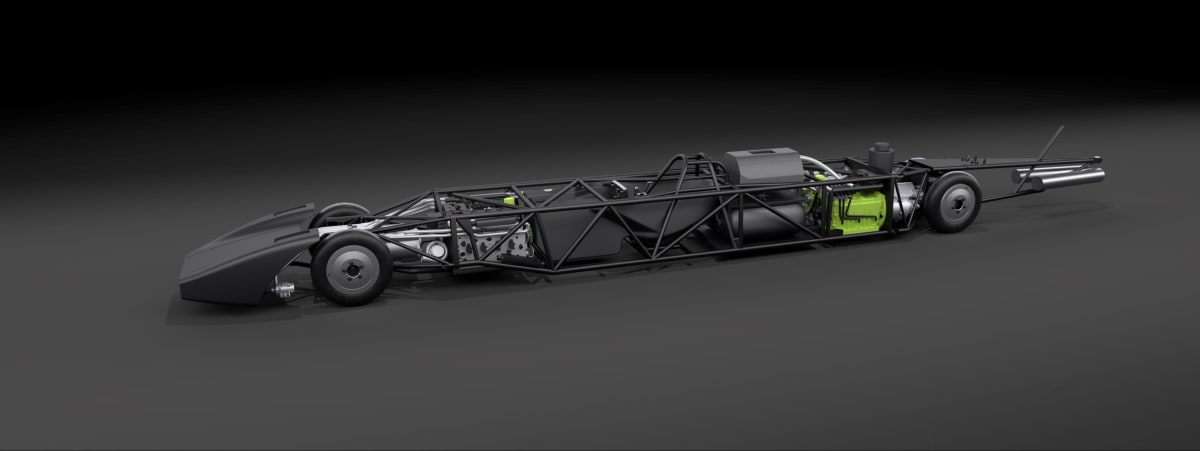
The JCB Hydromax made history yesterday when it became the fastest hydrogen-powered vehicle ever recorded. Veteran speed demon Andy Green, who broke the sound barrier in 1997, piloted the car through two runs averaging 406.32 mph—more than twice the previous hydrogen record.
Here's what makes this special: JCB didn't use fragile fuel cells or compromise on power. They built engines that actually burn hydrogen like traditional fuel, producing zero carbon emissions while generating a combined 1,600 horsepower.
JCB is a British company that makes tractors and construction equipment. When they realized hydrogen fuel cells were too expensive and delicate for farms and building sites, they took a different path—they invented tough hydrogen engines that could handle real-world abuse.
Each of the two engines in the Hydromax started as workhorse power plants designed for backhoes and loaders. Engineers then supercharged them to 800 horsepower each, adding turbochargers and even ice tanks to cool the air to below 50 degrees Fahrenheit.
The result shattered expectations. The car beat the fastest electric vehicle record (341 mph) and demolished the hydrogen fuel cell record (303 mph). It even came close to the fastest wheel-driven record of any kind at 449 mph.
Why This Inspires
This record isn't just about going fast—it's about proving hydrogen combustion engines can work in the real world. JCB already uses these engines in actual construction equipment, showing that clean power doesn't mean giving up the tools we need.
The breakthrough matters because batteries can't power everything. Heavy machinery, long-distance trucks, and equipment that works around the clock need alternatives to diesel. Hydrogen engines that are tough, affordable, and powerful could fill that gap.
Green, who has been chasing speed records for decades, called the achievement "a huge privilege." His team proved that the future of clean energy might not look as different from today as we thought—just cleaner and potentially even more powerful.
The Bonneville Salt Flats have witnessed speed dreams since the 1930s, and yesterday they hosted a glimpse of how we might keep those dreams alive without burning the planet.
More Images



Based on reporting by Ars Technica
This story was written by BrightWire based on verified news reports.
Spread the positivity!
Share this good news with someone who needs it