UK Cuts Emissions 50% But Clean Energy Costs Need Fixing
Britain has slashed its carbon emissions by half since 1990, proving large-scale climate action works. Now experts say making clean energy cheaper for households is the key to finishing the job.
Britain has quietly achieved something remarkable: cutting its carbon emissions in half over three decades while its economy continued to grow.
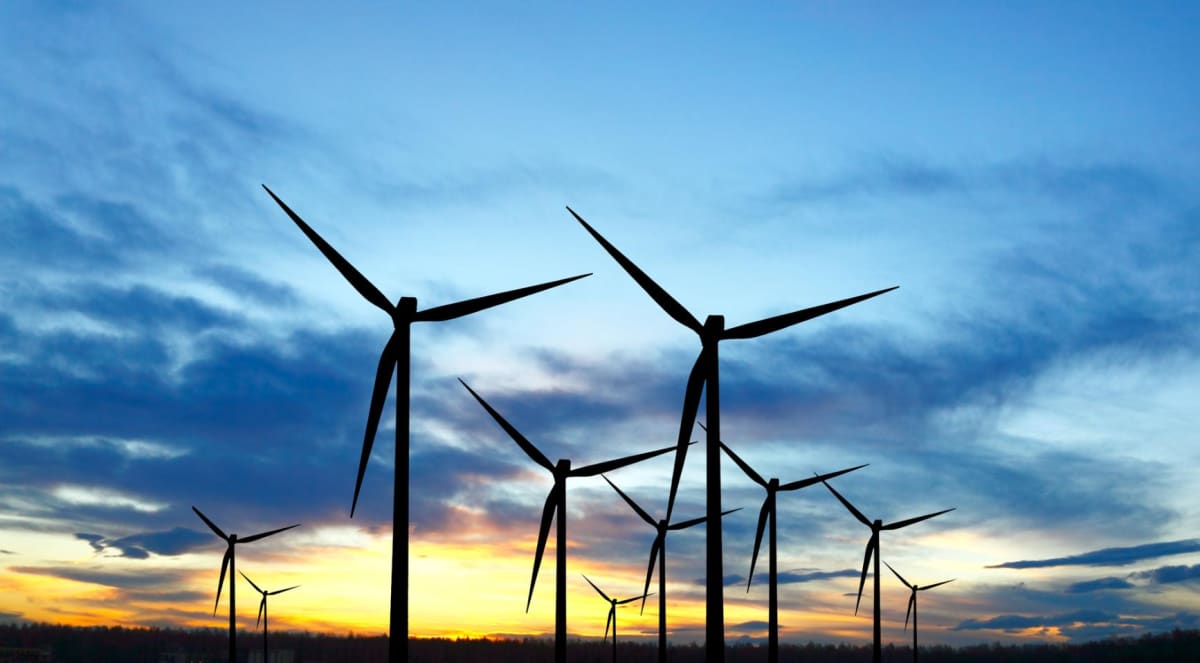
The progress shows that fighting climate change at scale is possible. The UK dramatically cleaned up its electricity grid with wind and solar power, proving renewable technology works in real-world conditions.
But a new challenge has emerged that's holding back the next phase. Gavin Tait, a 69-year-old from Glasgow, experienced it firsthand when he invested his retirement savings in solar panels, a home battery, and a heat pump a decade ago.
"It seemed like a no-brainer," he recalls. "I could save money and help the environment." At first, it worked beautifully. His well-insulated home stayed warm and his energy bills dropped.
Then electricity prices climbed. This winter, running his efficient heat pump cost more than his old gas boiler, even though the pump delivers three to four times more heat per unit of energy. He reluctantly switched back to gas.
A survey of 1,000 heat pump owners found two-thirds now pay more to heat their homes than before. The problem isn't the technology. Heat pumps work efficiently, and renewable electricity can be generated cheaply.
The issue is system costs. Professor Sir Dieter Helm from Oxford University explains that as Britain shifted to renewables, the electrical grid needed massive expansion. Offshore wind farms required new power lines, backup systems, and balancing mechanisms for when the wind doesn't blow.
Those infrastructure costs pushed electricity prices up to 27 pence per kilowatt-hour, compared to just 6 pence for gas. That four-fold difference makes clean choices economically painful for families.
The Bright Side
Here's the encouraging part: experts now clearly understand the barrier. Heating and transport together account for over 40% of UK emissions, and the technology to electrify both already exists and works well.
The missing piece is price parity. Making electricity competitive with gas would unlock adoption of heat pumps and electric vehicles without requiring people to choose between their budgets and the planet.
The government maintains that continued investment in renewables will ultimately deliver lower bills through energy independence and reduced reliance on imported fossil fuels. Recent Middle East conflicts that spiked oil and gas prices underscore that point.
Britain proved that cutting emissions by half is achievable. Now the pathway forward is clear: make clean energy the affordable choice, not just the right one.
More Images




Based on reporting by Google News - Clean Energy
This story was written by BrightWire based on verified news reports.
Spread the positivity!
Share this good news with someone who needs it