UK Fires Up First Geothermal Plant in Cornwall
Britain just plugged its first geothermal power plant into the national grid, tapping heat from three miles underground to power 10,000 homes 24/7. Unlike solar and wind, this Cornwall facility never stops generating clean electricity.
On February 26, 2026, the United Kingdom switched on a new type of renewable energy that works around the clock, rain or shine.
Near Redruth in Cornwall, Geothermal Engineering Ltd started feeding electricity from the country's first geothermal power plant into the national grid. The project drills three miles down to tap heat from ancient granite formed 300 million years ago.
Here's how it works: Two ultra-deep wells reach granite containing naturally radioactive elements like uranium and thorium. These elements have been releasing heat for millions of years, warming the rock to over 150°C.
The production well brings up hot fluid that creates steam to spin a turbine and generate electricity. Then a second well sends the cooled fluid back underground to repeat the cycle.
The United Downs plant produces 3 megawatts of power, enough for 10,000 homes. That's tiny compared to offshore wind farms, but it offers something those giants can't: reliability.
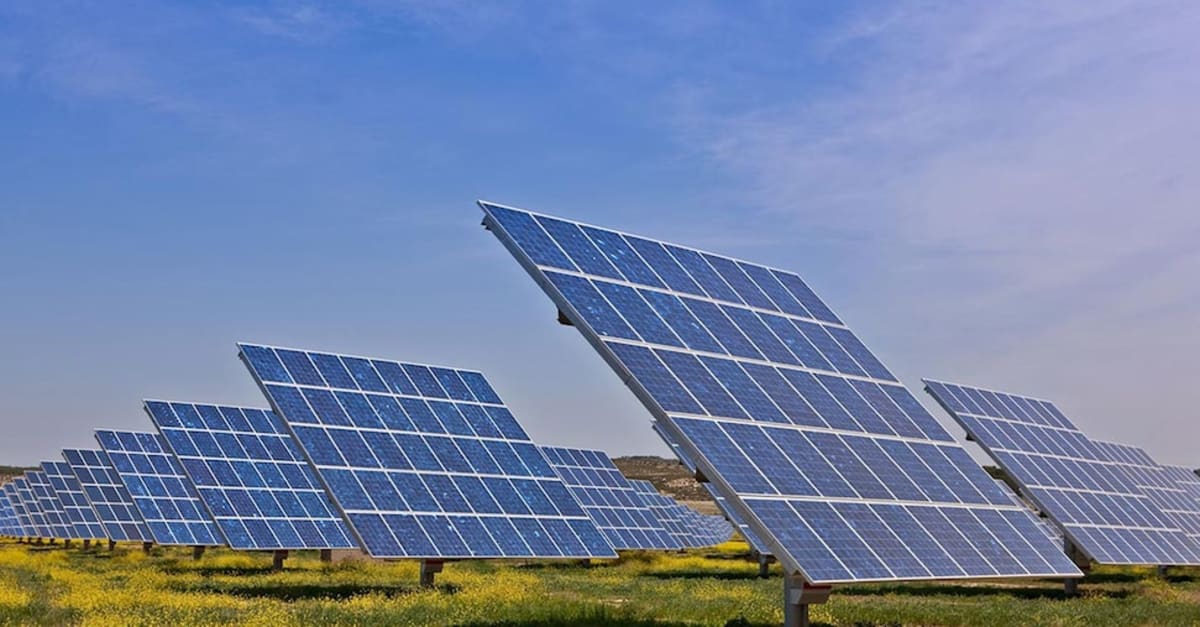
Solar panels go dark at night. Wind turbines sit idle during calm weather. Geothermal just keeps running, providing steady power every hour of every day.
This consistency helps balance Britain's grid as the country adds more weather-dependent renewables. Think of geothermal as the dependable friend who shows up on time, every time.
The Ripple Effect
The Cornwall plant delivers an unexpected bonus: lithium. The hot fluids underground contain high concentrations of this battery-critical mineral, which the facility will extract alongside electricity production.
That means fewer lithium imports and a more secure supply chain for electric vehicle batteries. One facility solving two problems at once.
Geothermal Engineering Ltd is developing two more Cornwall sites that could add another 10 megawatts by 2030. Researchers estimate Britain could eventually generate 25 gigawatts from geothermal, about 2.5 times what wind currently provides.
The bigger prize might be heating. Studies show geothermal could deliver 100 times more energy for warming buildings than for electricity generation, helping households ditch expensive natural gas.
The upfront drilling costs remain high, but they're dropping as the technology improves. Wind and solar faced the same challenge 20 years ago before becoming affordable.
Right now, this single plant won't lower your electricity bill. But it proves the technology works on British soil, opening the door for dozens more facilities that could power and heat communities with Earth's endless underground warmth.
More Images



Based on reporting by Phys.org - Technology
This story was written by BrightWire based on verified news reports.
Spread the positivity!
Share this good news with someone who needs it