Europe Slashes Russian Energy Dependence by 60% Since 2022
In just four years, Europe has dramatically reduced its reliance on Russian fossil fuels while securing clean energy partnerships worldwide. The shift proves democracies can rapidly transform their energy systems when security demands it.
Europe has pulled off one of the fastest energy transformations in modern history. Since Russia's invasion of Ukraine in 2022, the European Union cut its dependence on Russian fossil fuels by more than 60% while signing dozens of new clean energy deals around the globe.
The shift began as a survival move. Before 2022, Europe relied on Russia for massive portions of its energy supply, leaving governments vulnerable to geopolitical pressure. When the invasion happened, keeping homes warm and lights on became a national security crisis across the continent.
But European leaders didn't just swap one fossil fuel supplier for another. They used the emergency as a springboard toward cleaner energy. The EU launched REPowerEU in May 2022, a program designed to reduce energy consumption, diversify supplies, and accelerate renewable development all at once.
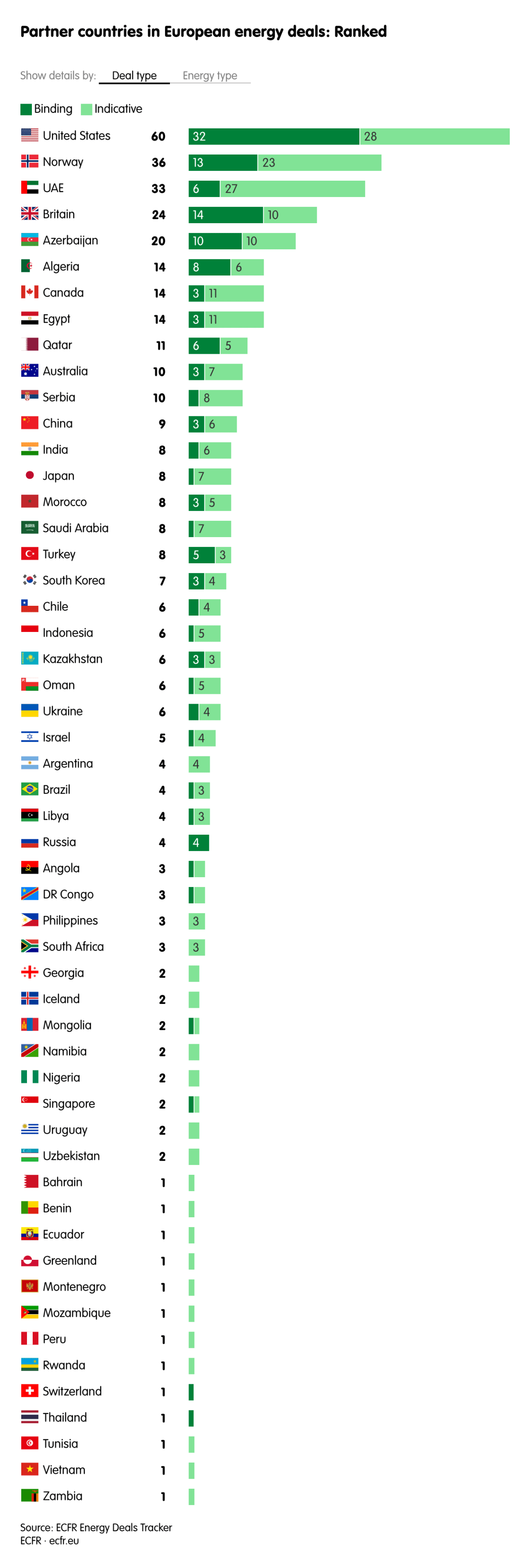
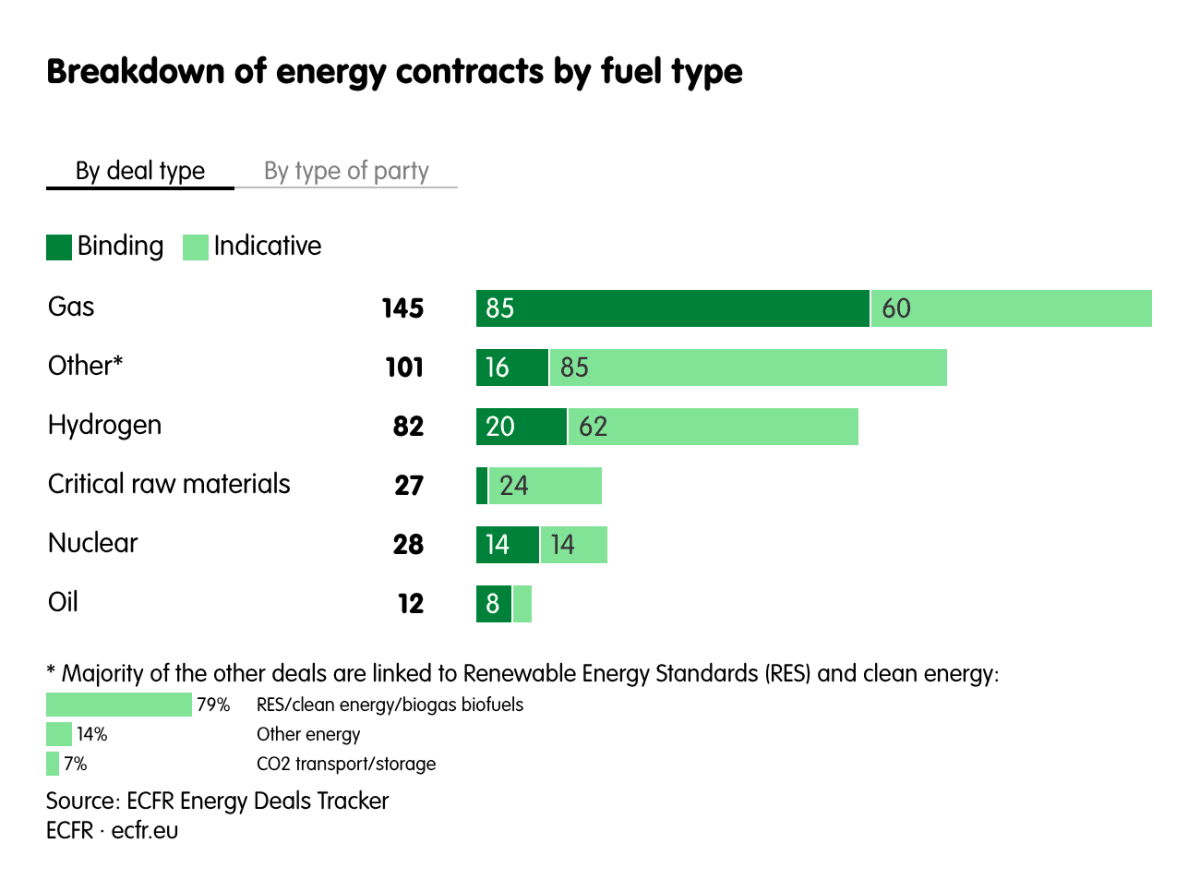
The results speak louder than the plans. Europe now works with partners worldwide on hydrogen development and critical raw materials for solar panels and wind turbines. Countries that once competed individually for energy deals increasingly cooperate, sharing resources and negotiating together for better terms.
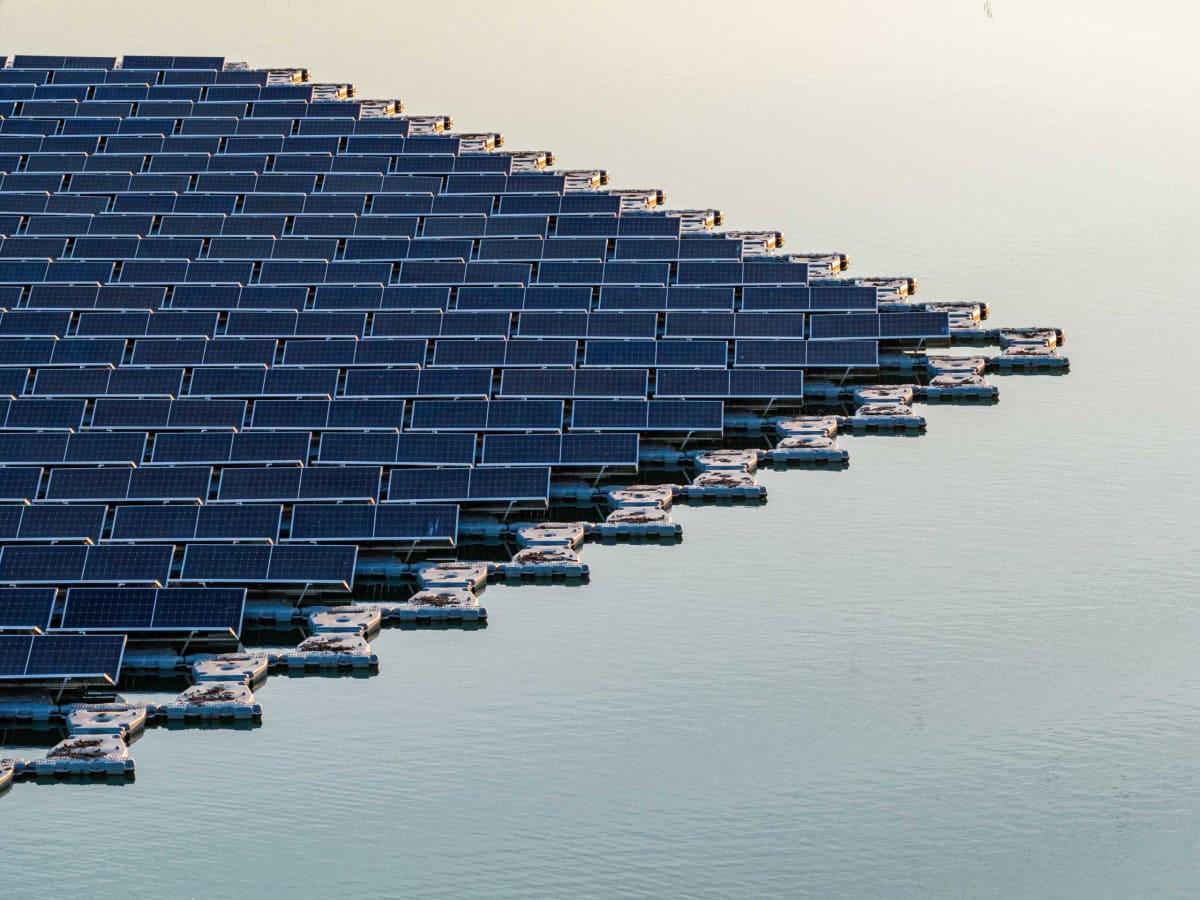
Germany now hosts floating solar panel systems on calm waters, generating clean electricity where fossil fuel plants once dominated the landscape. These installations represent just one visible piece of a continent-wide transformation happening at remarkable speed.
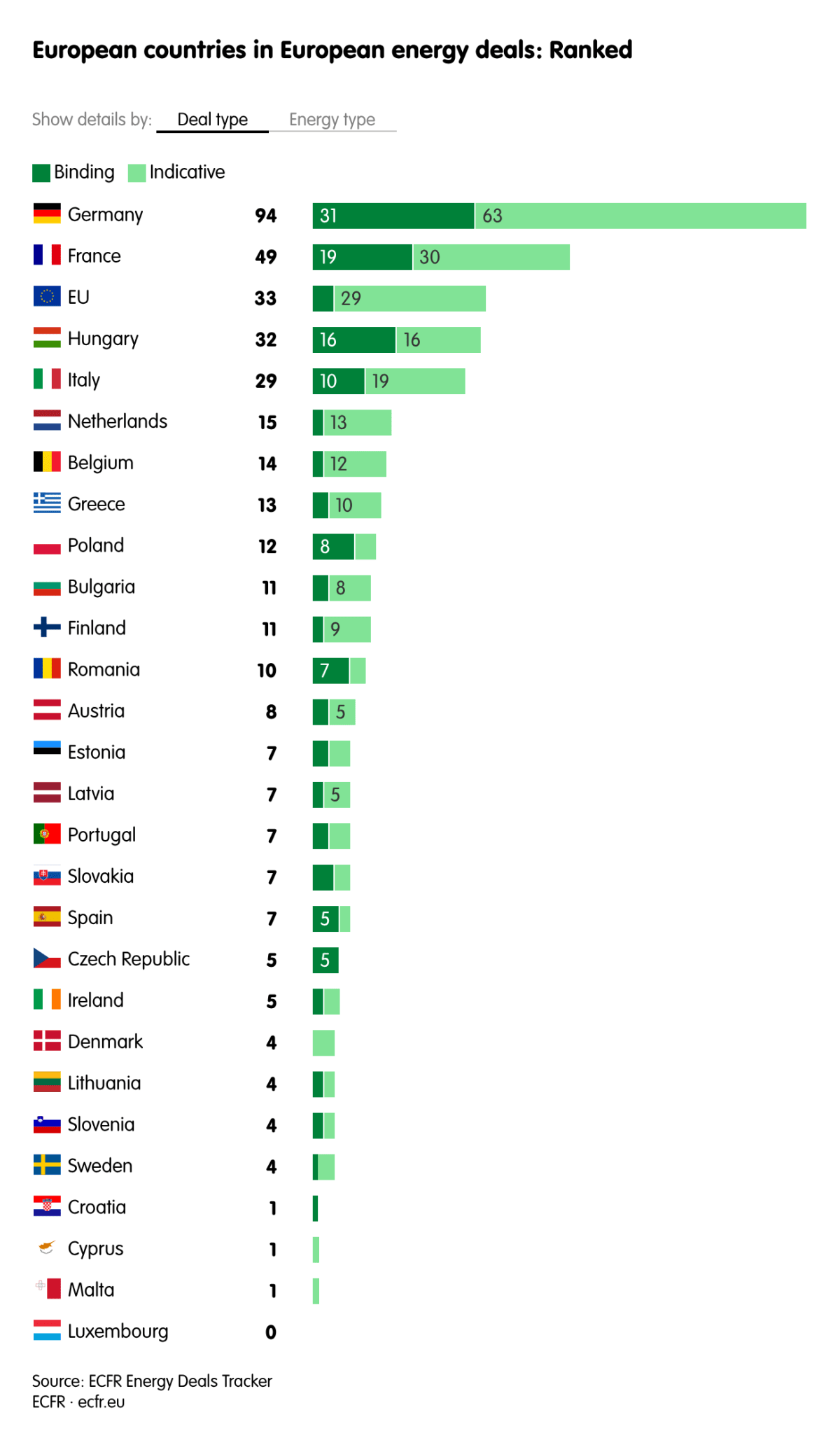
The transition isn't complete. Europe still gets nearly 60% of its energy from fossil fuels, and some countries signed more gas deals than clean energy agreements. But the trajectory has fundamentally changed from what seemed possible just five years ago.
The Ripple Effect
Europe's energy transformation is creating waves far beyond its borders. Developing nations with strong renewable potential now have eager European partners ready to invest in wind, solar, and hydrogen projects. These partnerships bring jobs, infrastructure, and technology transfer to countries that previously had fewer options.
The speed of change also sends a powerful message to other regions dependent on authoritarian energy suppliers. When democracies face existential threats, they can reorganize entire economic sectors in just a few years. What looked impossible in 2021 became reality by 2026.
Member states are learning that collective action delivers better energy security than going it alone. Countries pooling their negotiating power secure more favorable terms and stronger supply guarantees than individual nations scrambling for deals.
The final phase means completing the exit from Russian fossil fuels entirely while locking in more binding clean energy agreements. Europe has shown it can move fast when survival demands it, and now the momentum carries the continent toward a genuinely sustainable energy future where security and climate goals reinforce each other instead of competing.
More Images

Based on reporting by Google News - Clean Energy
This story was written by BrightWire based on verified news reports.
Spread the positivity!
Share this good news with someone who needs it