UK Foundation Pledges $2.3M to Prevent Blindness in Ethiopia
After U.S. aid cuts left a gap in fighting preventable blindness, a British foundation stepped up with $2.3 million to protect 1.5 million Ethiopians from trachoma. The five-year initiative proves philanthropy can preserve hard-won health victories.
When American aid funding for blindness prevention suddenly vanished, one British foundation saw an opportunity to make a life-changing difference for 1.5 million people.
The Pears Foundation announced this week it's donating $2.3 million over five years to protect Ethiopians from trachoma, a contagious eye infection that causes permanent blindness. The initiative comes after the Trump administration slashed USAID's budget, which previously included roughly $60 million annually for preventing neglected tropical diseases across Ethiopia and other countries.
The foundation is working through NALA, an Israeli nonprofit that fights tropical diseases often overlooked by major health programs. NALA will focus on Ethiopian communities that have already reduced trachoma cases but remain vulnerable to the disease's return without continued support.
"Global health progress is often most vulnerable at the final stage," said Michal Bruck, NALA's CEO. "Without continued investment, communities that have already made significant progress can quickly find themselves at risk again."
Trachoma spreads through direct contact and flies, making it more common in areas with poor sanitation. The bacteria roughen the inside of eyelids, causing them to scrape against the cornea until blindness occurs. While antibiotics can halt the disease, people often contract it multiple times throughout their lives.
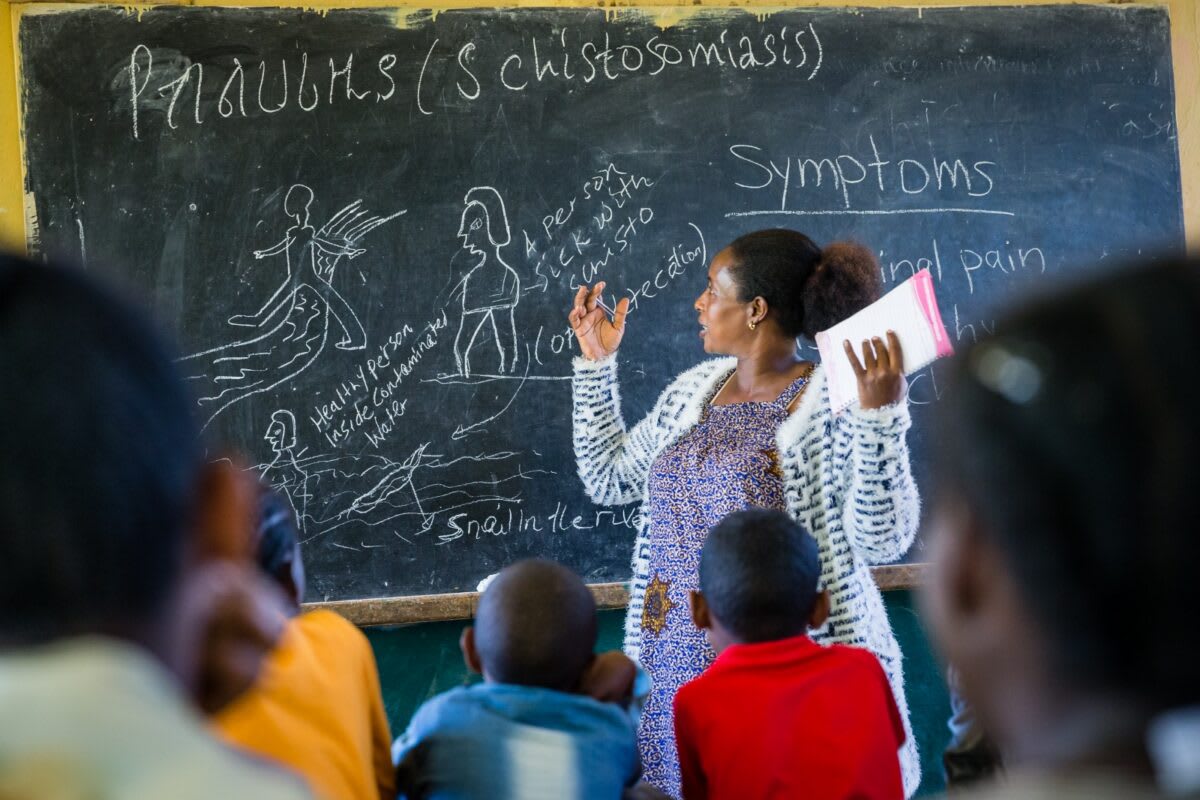
The program will use a community-based approach in areas where infection rates have dropped below 10%. Educational programs will teach families about hygiene and disease prevention, with special attention to women and children who face the highest risk. The initiative will also improve water and sanitation systems and strengthen local health networks.
The idea came together quickly. When large NGOs decided to focus their reduced resources on high-infection areas, Ethiopia's Ministry of Health approached NALA about protecting regions where progress had already been made. During a regular check-in call, Bruck mentioned the opportunity to Dina Gidron, the Pears Foundation's representative in Israel.
"When I started working with the Pears Foundation more than 15 years ago, Sir Trevor talked about his wish for the Jewish people to come together to possibly solve a wicked world problem, like preventable blindness," Gidron recalled. The foundation's trustees quickly approved the funding.
The Ripple Effect
This partnership demonstrates how targeted philanthropy can protect vulnerable communities when government funding disappears. The program will employ Ethiopian health professionals, empower local communities with knowledge and infrastructure, and contribute research on long-term effectiveness that could benefit similar initiatives worldwide.
Sir Trevor Pears called it "a win-win-win from every angle," supporting Israeli international development work while empowering Ethiopian professionals and protecting families from preventable blindness.
While experts celebrate these charitable responses to aid cuts, they emphasize that private donations cannot fully replace government funding, which operates at a much larger scale. Still, this initiative shows how strategic philanthropy can preserve years of health progress at a critical moment.
For the 1.5 million Ethiopians who will benefit, continued protection from trachoma means children can stay in school, parents can work, and families can build their futures without the threat of preventable blindness.
More Images


Based on reporting by Regional: ethiopia development (ET)
This story was written by BrightWire based on verified news reports.
Spread the positivity!
Share this good news with someone who needs it