UK Goes All-In on Heat Pumps, Drops Hydrogen Home Heating
Britain is abandoning its hydrogen home heating experiment in favor of electric heat pumps, solar panels, and wind power. The shift marks a major win for proven clean technology over risky experiments.
Britain just made a bold choice that could reshape how millions stay warm without heating the planet.
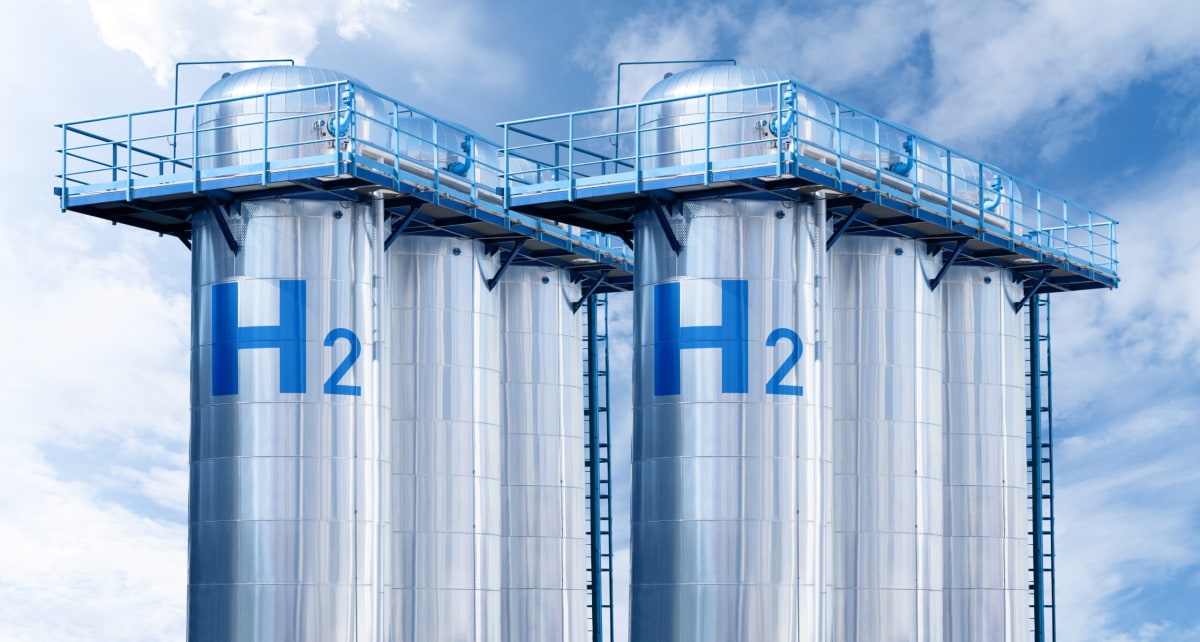
After nearly a decade of testing hydrogen boilers for home heating, the UK government is changing course. The new Warm Homes Plan focuses on electric heat pumps, solar panels, and wind energy instead of hydrogen, which officials now call "not yet proven" for heating homes.
The decision comes after multiple hydrogen trials stumbled or failed completely. In Ellesmere Port in 2023, residents protested so strongly against becoming "guinea pigs" for hydrogen boilers that the project was scrapped. A major trial in Fife, Scotland is struggling through what organizers call a "particularly critical phase."
The concerns aren't small. Hydrogen can leak from pipelines at rates between 0.1 and five percent, and those leaks actually contribute to global warming by interacting with methane in the atmosphere. Building new hydrogen pipelines would cost around $2 million per kilometer, making the whole system far more expensive than heat pumps.
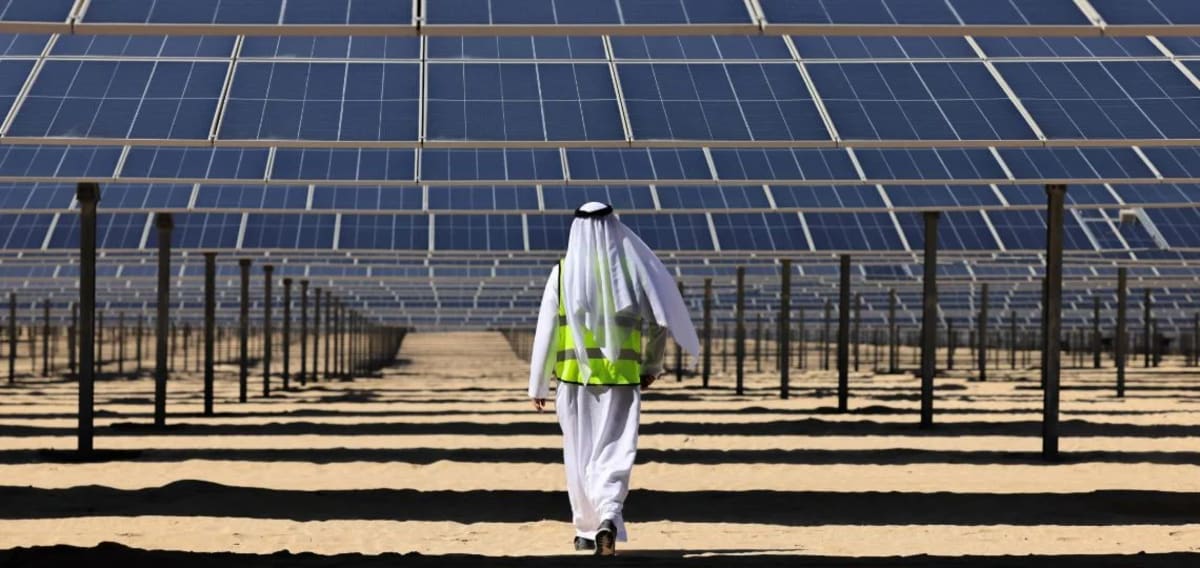
Instead, Britain is betting big on electrification. The government recently lifted a ban on balcony solar panels, letting people plug portable panels directly into their homes. They're also subsidizing heat pumps, batteries, and home insulation to help families make the switch.
Energy Secretary Ed Miliband wants British manufacturers to produce 70 percent of the country's heat pumps, up from just one third today. He believes the country's expertise in making gas boilers and air conditioning can transfer perfectly to heat pump production.
The Bright Side
Hydrogen isn't disappearing entirely, it's just finding its proper place. The UK announced $130 million to develop green hydrogen for steel and glass factories in south Yorkshire. These industrial uses make far more sense than home heating because trained professionals handle the hydrogen at fixed locations near where it's produced.
Britain has plentiful salt caverns in the north that can safely store hydrogen for industry. These natural formations have held hydrogen for over 50 years with minimal leakage. Any hydrogen that does escape goes into surrounding rock instead of the atmosphere.
The country also sees potential for hydrogen in aviation and shipping, where electricity can't always do the job. By focusing hydrogen where it works best and electrifying everything else, Britain is creating a cleaner energy system that actually makes economic sense.
This practical approach shows how countries can pivot when early experiments don't pan out. Instead of forcing a technology that residents don't want and experts don't trust, Britain chose the proven path that gets families to clean energy faster and safer.
More Images
Based on reporting by Energy Transition
This story was written by BrightWire based on verified news reports.
Spread the positivity!
Share this good news with someone who needs it