UK Lab Gets Nobel-Winning Microscope for Bowel Disease Cure
Scientists in the UK just received one of only a few microscopes in the world that could transform our understanding of inflammatory bowel disease. The breakthrough technology uses Nobel Prize-winning science to watch living cells in action like never before.
A revolutionary microscope at the Rosalind Franklin Institute in Harwell is giving scientists an unprecedented view into how bowel disease develops at the cellular level. The technology could finally unlock answers for millions living with inflammatory bowel conditions.
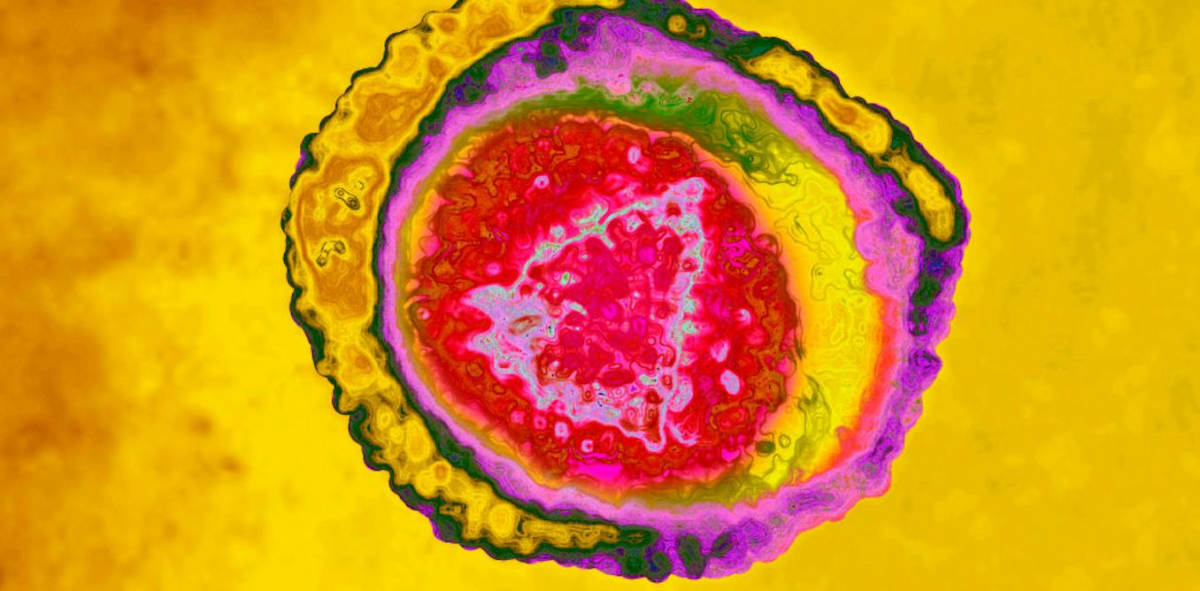
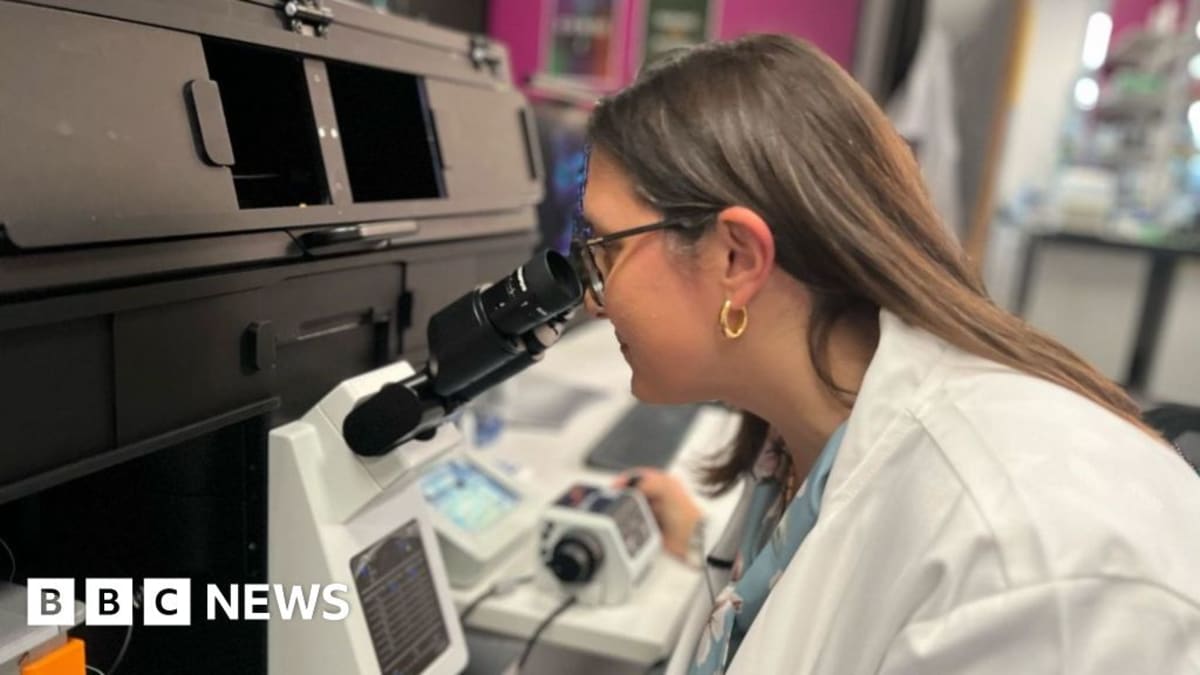
The STED (Stimulated Emission Depletion) microscope is unique in the UK and one of only a handful worldwide. It uses doughnut-shaped lasers to create super-detailed images of living cells, capturing processes that were previously impossible to see.
What makes this different from regular microscopes is its ability to study thick tissue samples taken directly from patients. Previous optical microscopes could only examine flat samples on slides, which didn't reflect what actually happens in the human body.
Dr. Karina Pombo-Garcia, who leads the lab team, explained the breakthrough simply: "It allows us to look at very, very tiny processes inside cells with very high resolution and we can look at these processes live."
The technology lets researchers tag multiple molecules with different colored fluorescent markers in a single sample. This means they can watch in real time how proteins come together and identify exactly where things go wrong in disease.
One of the first research projects is studying how cells form when the human bowel develops. By understanding the normal process, scientists can pinpoint how those same cells malfunction in inflammatory bowel disease.
The technology behind the microscope won the Nobel Prize for Chemistry in 2014. Now it's finally becoming accessible enough for patient-focused research that could lead to actual cures.
The Ripple Effect
Science minister Chris McDonald announced £160 million in funding for the institute alongside the microscope's opening. The investment signals confidence that this technology will deliver results that improve real lives.
The funding increase comes at a crucial time when many scientific projects face budget uncertainty. This commitment to cutting-edge research tools means UK scientists can stay at the forefront of medical discovery.
Dr. Pombo-Garcia called it "a huge game changer" for understanding disease. Having access to this level of technology enables discoveries that simply weren't possible before.
The microscope's ability to study actual patient tissue samples means research findings translate more directly to treatments. Instead of guessing how flat lab samples relate to real disease, scientists can now observe the actual conditions affecting patients.
For the millions worldwide living with inflammatory bowel disease, this represents genuine hope for better treatments and potentially cures. Understanding exactly how cells malfunction is the essential first step toward fixing them.
The UK now joins a select group of countries with this capability, positioning British scientists to lead the global effort against inflammatory diseases.
More Images

Based on reporting by Google News - Disease Cure
This story was written by BrightWire based on verified news reports.
Spread the positivity!
Share this good news with someone who needs it