Scientists Find New Hope for Chronic Shingles Pain
Researchers discovered tiny blood particles called exosomes may explain why some shingles patients suffer years of severe pain. The breakthrough could finally lead to treatments that work.
Scientists just uncovered why some people experience unbearable pain long after their shingles rash disappears, and the discovery could transform treatment for millions.
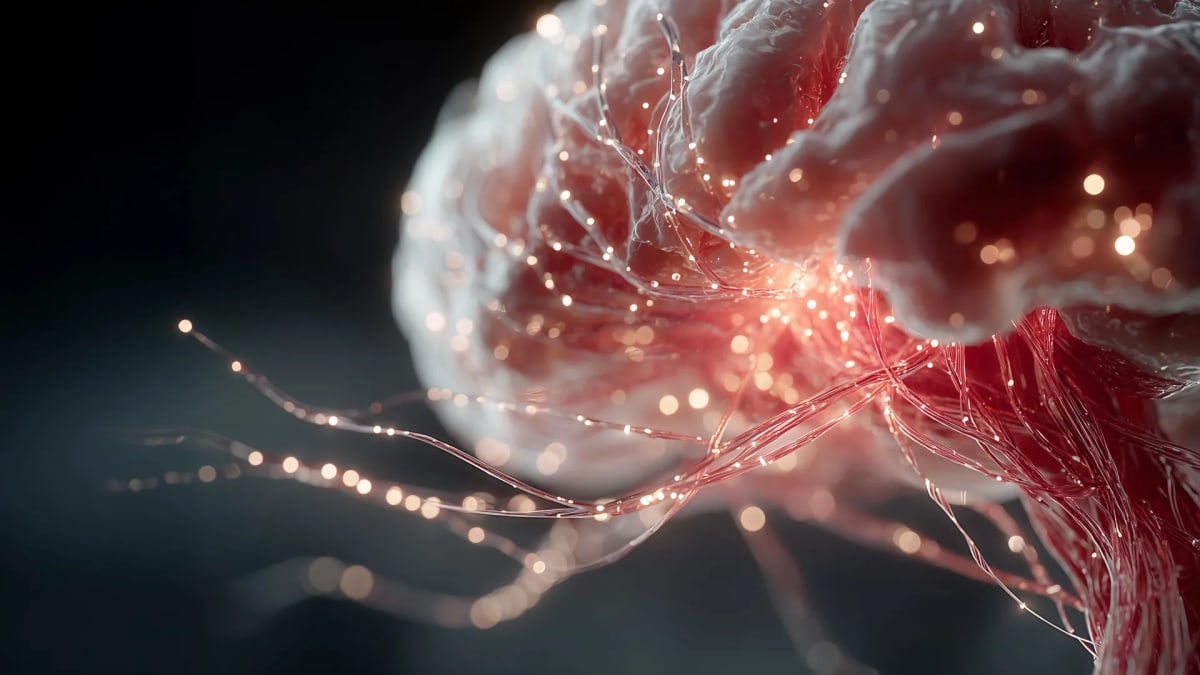
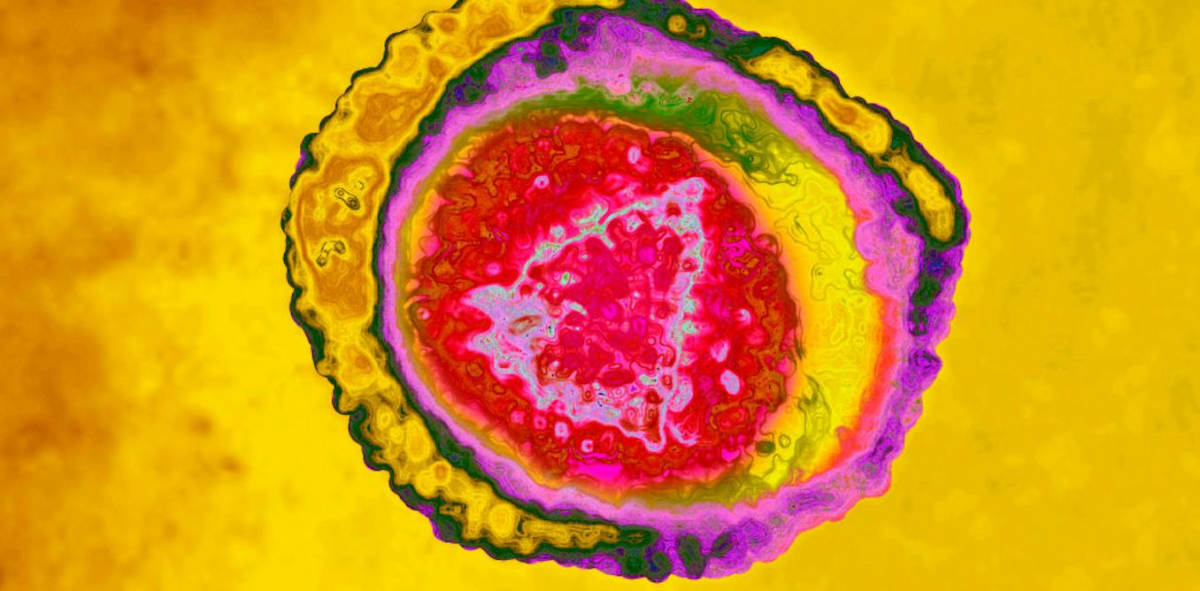
Shingles affects one in three people worldwide, and up to 18% develop a devastating condition called post-herpetic neuralgia. The pain can last months, years, or even a lifetime. Current treatments help fewer than half of patients find meaningful relief.
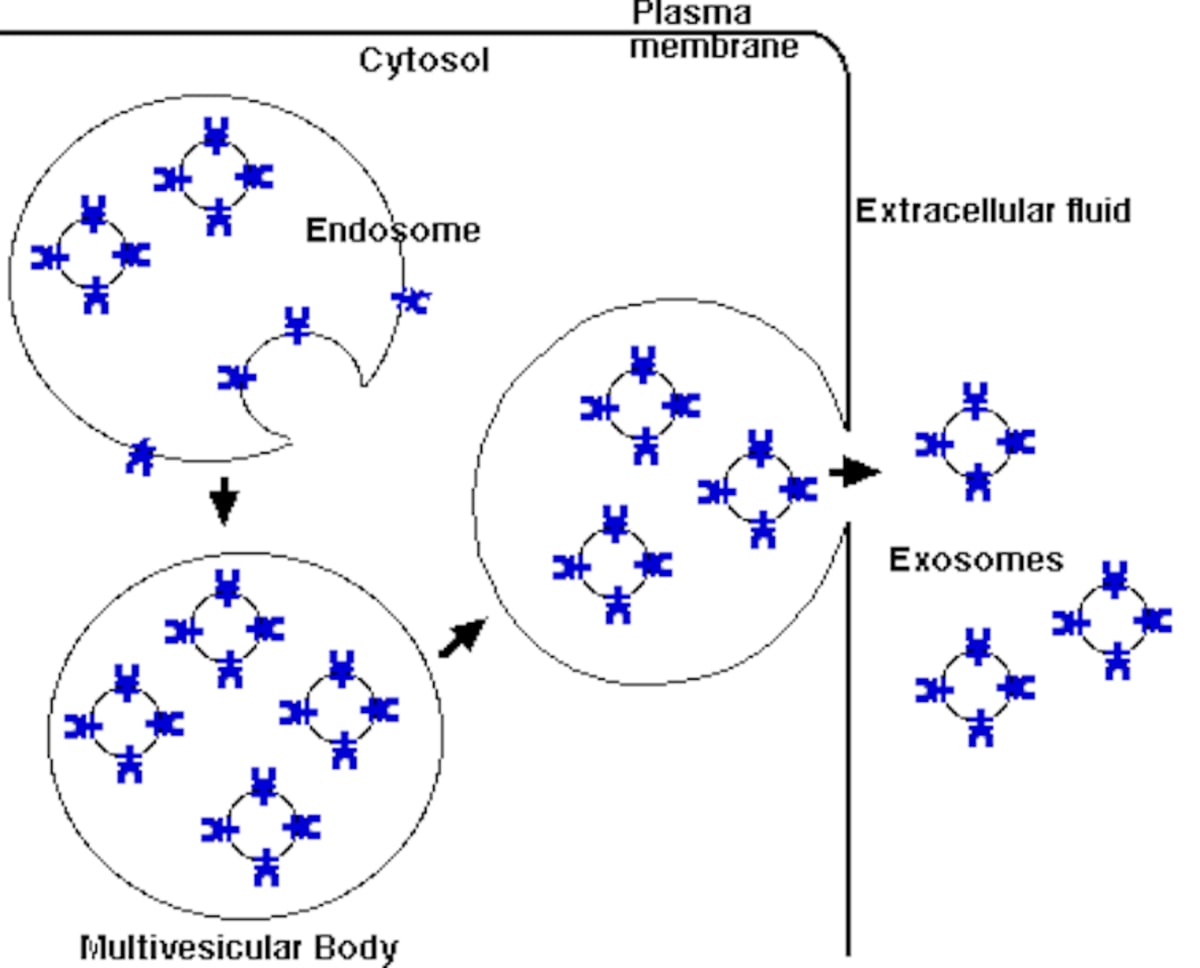
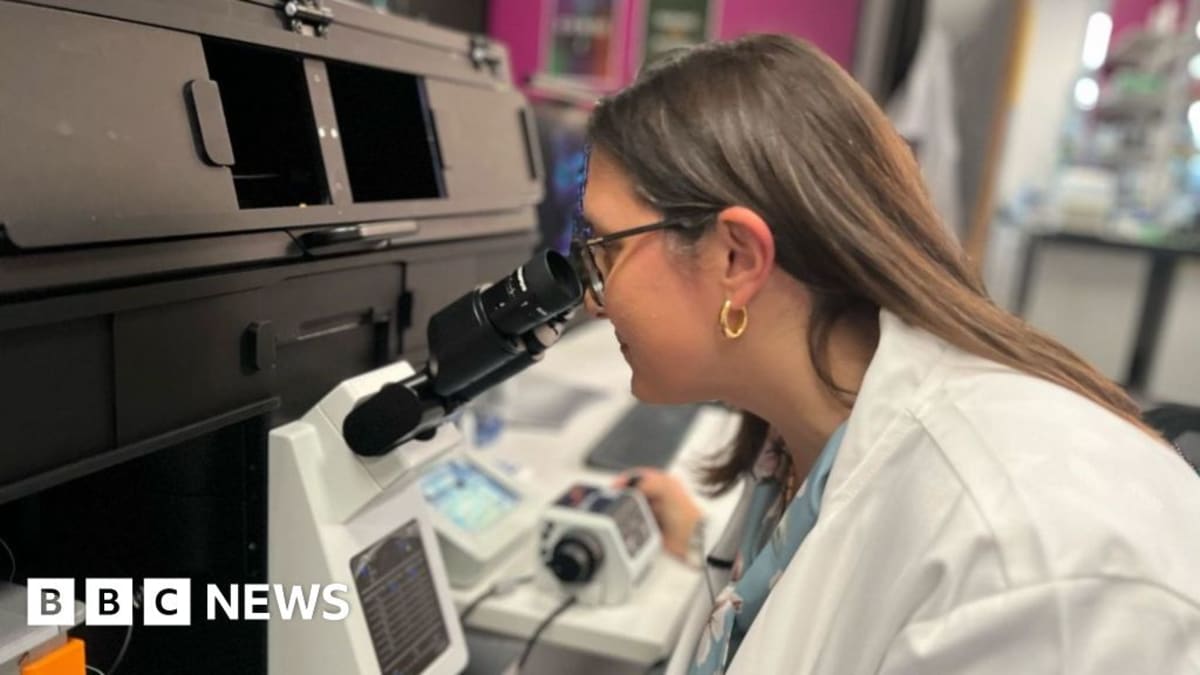
Researchers at a neurovirology lab just published findings in the journal Annals of Neurology that could change everything. They discovered that microscopic particles in the blood called exosomes are preventing nerves from healing properly.
The team studied blood samples from seven people suffering from post-herpetic neuralgia and compared them to seven people without the condition. The exosomes in chronic pain patients carried unusually high levels of proteins that actively block nerve growth.
When scientists exposed healthy human sensory neurons to these exosomes in lab dishes, something striking happened. The neurons became stunted and couldn't form proper connections with each other. Even more concerning, the exosomes kept pain-sensing neurons in an overactive state, making them hypersensitive.
This explains a puzzle that has stumped doctors for years. Patients with post-herpetic neuralgia show fewer nerve fibers in their skin, yet they experience heightened pain. The circulating exosomes appear to be preventing those damaged nerves from regenerating while simultaneously ramping up pain signals.
The discovery matters because antiviral medications that stop shingles from spreading don't prevent or reduce chronic pain. That's because the virus itself isn't causing the ongoing suffering. These rogue exosomes are.
Why This Inspires
This research represents a fundamental shift in how scientists understand chronic nerve pain. Instead of simply trying to mask symptoms, doctors could soon target the actual biological mechanism causing the suffering.
The implications extend beyond shingles. The research team believes similar exosome activity could explain other painful nerve conditions that have resisted treatment. One breakthrough could unlock relief for multiple conditions affecting millions worldwide.
For people who've endured years of severe pain that diminished their quality of life, this discovery offers something they haven't had in a long time: a clear path forward. Scientists now know exactly what they're fighting and can develop treatments aimed at the real culprit.
The next step involves creating therapies that either block harmful exosomes or restore normal nerve growth despite their presence. With the mystery finally solved, effective treatments may finally be within reach.
More Images

Based on reporting by Google News - New Treatment
This story was written by BrightWire based on verified news reports.
Spread the positivity!
Share this good news with someone who needs it
%2520(2).jpg)