UK Pardons Last Woman Executed After 71 Years
Ruth Ellis, hanged in 1955 for killing her abusive partner, receives a posthumous pardon from the King after her family's decades-long campaign. The case that sparked Britain's abolition of the death penalty finally acknowledges what we now understand about domestic abuse and trauma.
After 71 years, Britain has formally recognized that Ruth Ellis should never have been executed for killing the man who brutally abused her.
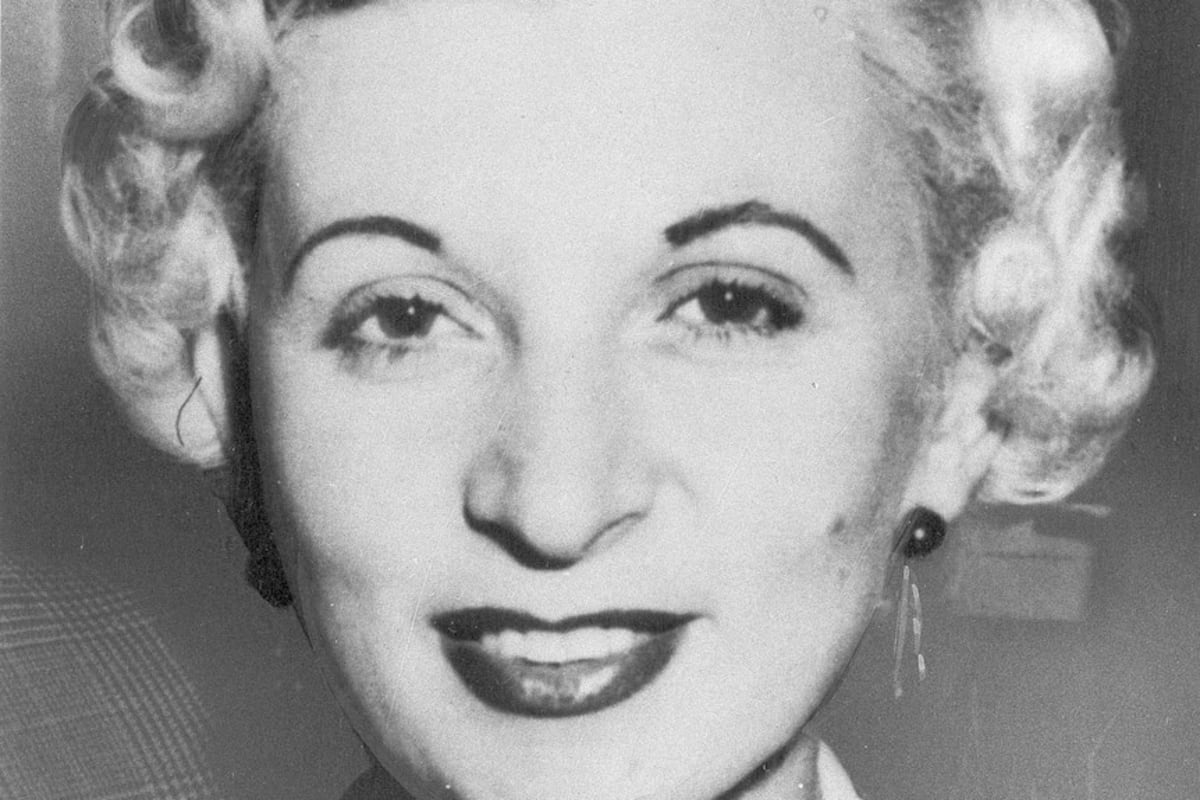
The King granted a posthumous pardon to Ellis, a 28-year-old mother of two who was hanged in July 1955 for shooting her racing driver boyfriend David Blakely outside a London pub. Her execution sparked national outrage and helped turn public opinion against the death penalty.
Ellis endured repeated sexual, emotional and physical violence at Blakely's hands. Just 10 days before the killing, he punched her in the stomach, causing a miscarriage. She was carrying his child.
During her trial, the traumatized young woman showed no emotion, inadvertently reinforcing prosecutors' portrayal of her as a cold-blooded killer. The jury took just 14 minutes to convict her of murder. What they didn't understand then was how trauma and sustained abuse affect victims.
Her children, ages three and 10 when she died, never recovered from losing their mother to the gallows. "The shadow of Ruth's execution has fallen across two generations," said her granddaughter Laura Enston, who led the family's campaign for justice.
The pardon replaces Ellis's death sentence with life imprisonment, acknowledging what Deputy Prime Minister David Lammy called a "profound injustice." While it doesn't claim she was innocent of the killing, it recognizes that with today's understanding of domestic violence, she likely would have faced manslaughter charges instead of murder.
The Ripple Effect
Ellis's case helped change Britain forever. The public outcry over her execution contributed to the permanent abolition of the death penalty for murder in 1969. Two years after her death, lawmakers created a legal defense of diminished responsibility, recognizing that trauma and abuse affect criminal culpability.
Her story also became part of cultural memory through the 1985 film Dance with a Stranger, keeping the conversation about justice and domestic violence alive for new generations.
"This pardon does not undo what happened 71 years ago," Enston said. "But it says, formally and finally, that Ruth should not have been executed, that the justice system failed her."
Sometimes justice moves slowly, but recognizing past failures helps us build a fairer future.
More Images

Based on reporting by ABC Australia
This story was written by BrightWire based on verified news reports.
Spread the positivity!
Share this good news with someone who needs it