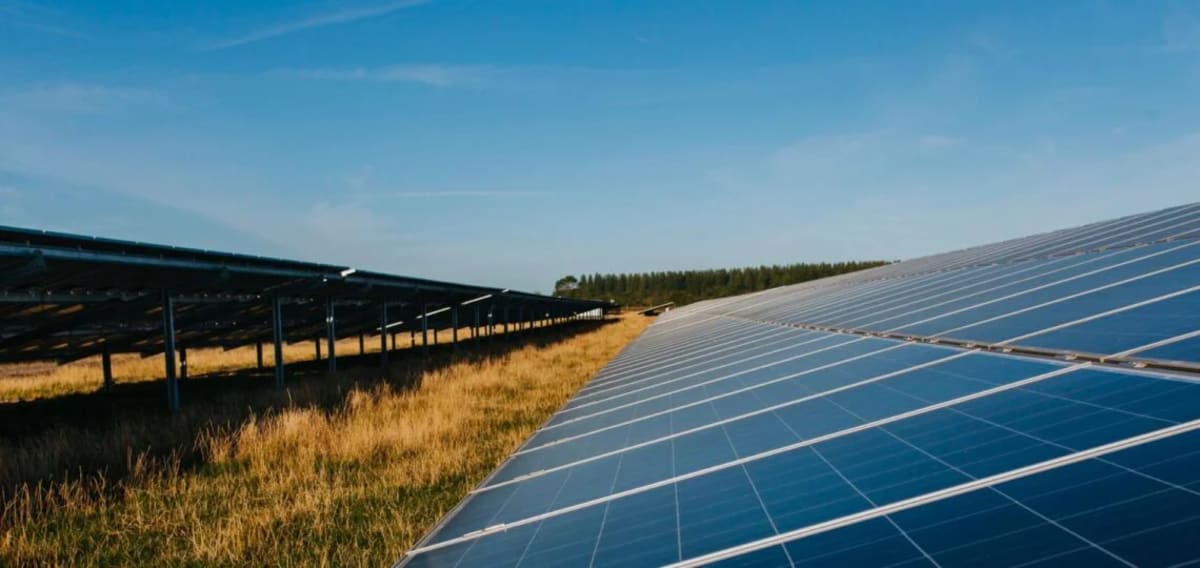
UK Plug-In Batteries Could Cut Energy Bills by £400
A new generation of batteries that plug straight into wall outlets could help British renters and flat dwellers slash electricity costs without installing solar panels. The devices store cheap nighttime power and release it during expensive peak hours.
Imagine cutting your electricity bill by hundreds of pounds a year without calling a landlord or hiring an installer.
That future is getting closer in the UK, where plug-in batteries are emerging as the next big step in home energy savings. These small devices work like power banks for your house, plugging into any standard wall outlet to store electricity when it's cheap and deliver it back when rates spike.
The timing couldn't be better. UK electricity prices remain far above pre-2020 levels, leaving households searching for ways to regain control over their energy costs. While the government just legalized plug-in solar panels starting August 27, many energy experts see these batteries as potentially more transformative because they work for everyone.
Renters, apartment dwellers, and homeowners with shaded or unsuitable roofs have been largely shut out of the solar revolution. These batteries change that equation entirely. They require no installation, no roof access, and no permission from a property owner.
The savings come from a simple strategy called grid arbitrage. Kelvin Cao, EU CEO of Anker Solix, explained that plug-in batteries deliver meaningful savings by charging during low-rate periods and supplying power during expensive peak hours. Estimates suggest households could save between £100 and £400 annually, depending on their battery size, energy tariff, and usage patterns.
Rob Hallifax, co-founder of Windfall Energy, noted that batteries can buy electricity at lower nighttime prices and release it during far more expensive daytime rates. Octopus Energy is already developing special tariffs designed specifically for these products.
The technology also provides backup power during outages, keeping essential devices running when the grid goes down. For some households, that added security is worth as much as the cost savings.
The Ripple Effect
The benefits extend beyond individual households. Alex Schoch, group director for flexibility at Octopus Energy, called plug-in batteries "the fundamental great equalizer" in energy access. They give everyone a chance to participate in smarter energy use, regardless of whether they own their home or have a suitable roof for solar panels.
The UK government is proceeding cautiously, focusing first on plug-in solar while conducting technical and regulatory reviews for batteries. That slower approach prioritizes safety, learning from other countries' experiences. Lorna Wallace-Smith, head of UK PR at EcoFlow, praised this careful progress as better than rushing into problems.
Companies aren't waiting to prepare. Octopus Energy expects to launch its Nook Cube battery in 2027, while Windfall Energy is ready to roll out if regulations advance. Manufacturers are building in safety features like lithium-iron-phosphate cells, electrical safeguards, and thermal protections.
Products will likely need to appear on the ENA Type Test Register to demonstrate they meet grid requirements. That certification process ensures devices work safely alongside the existing electrical infrastructure.
The shift represents a fundamental change in how households interact with energy, moving from passive consumers to active managers of their power use and costs.
More Images


Based on reporting by Google: solar power breakthrough
This story was written by BrightWire based on verified news reports.
Spread the positivity!
Share this good news with someone who needs it