UK Prison Theatre Group Turns Ex-Offenders Into Performers
A London theatre charity is helping prisoners and ex-offenders find new careers on stage and screen. Their program has launched dozens into the creative industry while changing how society sees people behind bars.
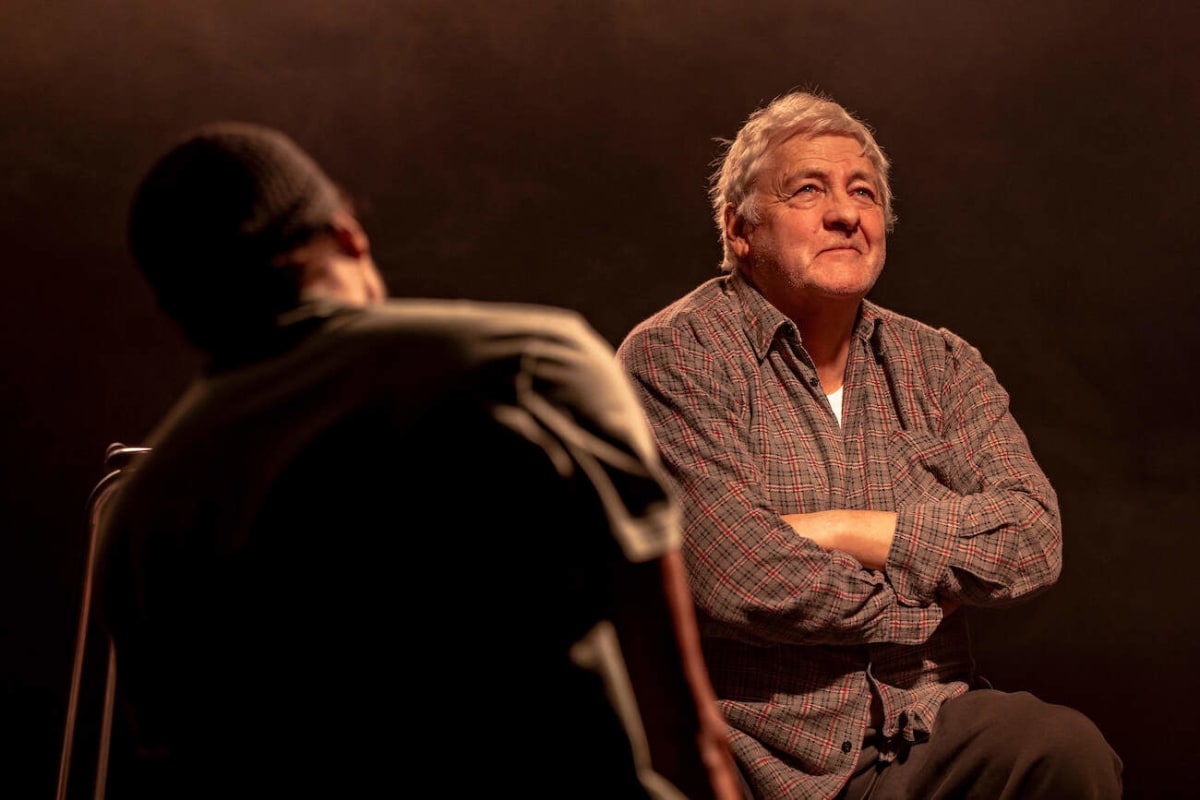
A prison guard breaks union rules to help an elderly inmate who had an accident in the night, rather than make him wait two hours for official assistance. This quiet act of compassion isn't real life. It's a scene from Lifers, a play created by London's Synergy Theatre Project to spotlight the human side of prison life.
Founded in 2000 by Esther Baker, Synergy brings prisoners, ex-offenders, and at-risk youth to the stage. The charity now employs eight full-time staff and receives funding from Arts Council England, producing two major public performances each year alongside workshops inside prisons.
The timing matters more than ever. Prisoners over 50 in the UK have nearly tripled since 2003, jumping from 5,000 to almost 15,000. One in six inmates is now elderly, and many will die behind bars.
Baker believes theatre succeeds where statistics fail. "There is something very powerful about live performance," she says. "It impacts hearts and minds and humanises the stories."
The productions tackle tough topics. Lifers explores aging and dignity in prison. After each show, panel discussions bring together ex-prisoners and criminal justice experts. Separate performances happen inside institutions like Brixton and Downview, performed by inmates for inmates, their families, and registered members of the public.
Each production includes ex-offenders on the crew. The recent Lifers show employed five formerly incarcerated people as assistant stage managers, assistant directors, and cast members.
The Ripple Effect
The real transformation happens beyond opening night. Synergy's training programs teach practical theatre skills that lead to actual jobs in film, television, and stage production.
Ric Renton learned to read and write while serving time at HMP Durham. After his release, he joined a Synergy playwriting course. His first assignment was writing about a Pink Floyd exhibition at the V&A. He wrote about mental illness, and the Soho Theatre invited him to pitch.
That pitch became Nothing and a Butterfly, a play based on his life. The title references how guards quietly inform colleagues when someone dies during headcount. The production landed him his first agent. Today, Renton writes and performs in Waiting For The Out, a six-part BBC One drama.
"They take the hopeless and give them hope," Renton says. He's now worked with Synergy for eight years and watched countless others follow similar paths into creative careers.
Daniella Henry discovered Synergy through an acting workshop at HMP Downview. The program gave her access to an industry that seemed impossible to reach from prison.
Baker sees her work as repair. "There's a lot of damage in prisons," she says. "Our work is about engagement, building confidence and creating pathways into the creative industries."
What started as one woman teaching drama in prisons during the 1990s has become a proven pipeline from incarceration to creative employment, one performance at a time.
Based on reporting by Positive News
This story was written by BrightWire based on verified news reports.
Spread the positivity!
Share this good news with someone who needs it