UK Pushes Tech Giants to Protect Kids Online in 3 Months
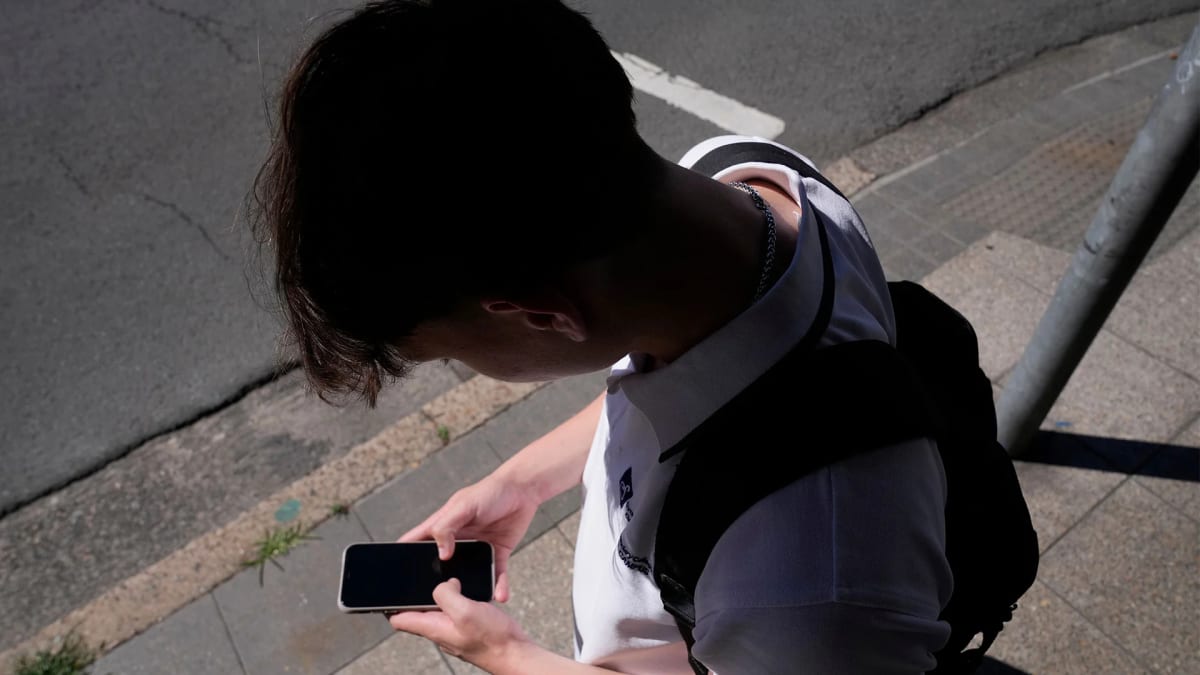
The UK government is giving major tech companies three months to activate device controls that block explicit images for children, or face new laws. The move aims to protect young people from online exploitation while preserving privacy for adults.
Britain is taking a bold stand to make the internet safer for children, giving tech giants a clear deadline to act.
UK Prime Minister Keir Starmer announced Monday that companies like Apple and Google have three months to introduce device-level controls preventing children from sending or receiving sexually explicit images. If they don't comply, new legislation with potential fines and criminal liability for executives could follow.
"This government will not stand by while children are put at risk online," Starmer said at London Tech Week. The proposed safeguards would work directly on smartphones and tablets to detect and block harmful content involving minors, while adults could still access content through age verification systems.
Home Secretary Shabana Mahmood emphasized that the technology already exists on most devices. "The tech firms just need to switch it on to block children from seeing nude imagery," she said. The system would work without collecting data, monitoring activity, or sending images off the device, addressing common privacy concerns.
The initiative tackles growing threats like grooming and sextortion that endanger young people online. Child protection charities, including the NSPCC, praised the announcement as a necessary step forward. Chief executive Chris Sherwood said stronger safeguards could prevent "devastating harm" if companies act quickly.
Google responded positively, saying it's working with UK authorities on "privacy-preserving solutions that deter the spread of harmful content while ensuring a safe digital environment for young people." Apple has not yet commented publicly.
Why This Inspires
This proposal shows governments can demand better protections for vulnerable users without waiting years for voluntary action. By setting a firm deadline and clear consequences, UK leaders are treating online child safety as the urgent priority it deserves.
The approach balances protection with privacy, using technology that's already available rather than creating invasive new surveillance systems. It demonstrates that keeping children safe and respecting personal privacy aren't mutually exclusive goals.
When leaders act decisively to protect the most vulnerable, real change becomes possible.
Based on reporting by Euronews
This story was written by BrightWire based on verified news reports.
Spread the positivity!
Share this good news with someone who needs it