UK Scientists Find 170M-Year-Old 'Toothpick Tooth' Crocodile
British researchers discovered a new ancient crocodile species with teeth so delicate they could only eat tiny shrimp and fish. The 170-million-year-old fossil reveals how prehistoric crocodiles were far more diverse than we ever imagined.
Scientists just uncovered a crocodile ancestor so unusual that it completely rewrites our understanding of how these ancient reptiles lived.
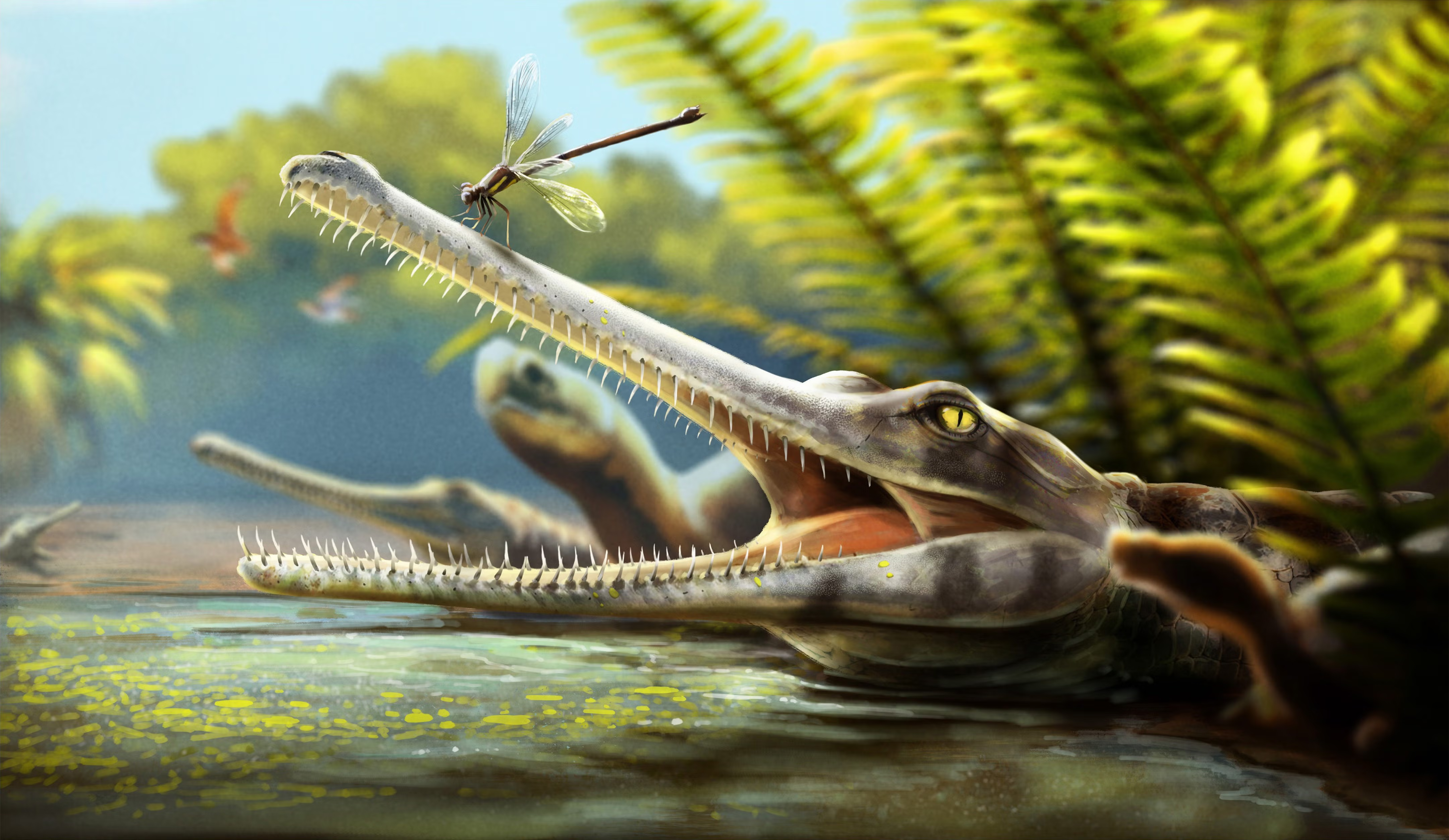
Researchers at the University of Portsmouth and Hassan II University of Casablanca found fossils of a crocodile species that roamed Earth 170 million years ago with teeth resembling toothpicks. Lead researcher Hamzah Imrah spotted tiny black circles on the fossil, and when his team carefully scratched away the surrounding rock, they discovered something extraordinary.
"These little black circles were actually incredibly thin teeth," Imrah explained. The teeth were so delicate that the crocodile could only hunt soft, tiny prey like shrimp, worms, and baby fish.
The team named the species Ctenosuchus tenuidens, which translates to "comb crocodile with thin teeth." The fossils came from ancient rivers and lakes in what is now Morocco's Atlas Mountains.
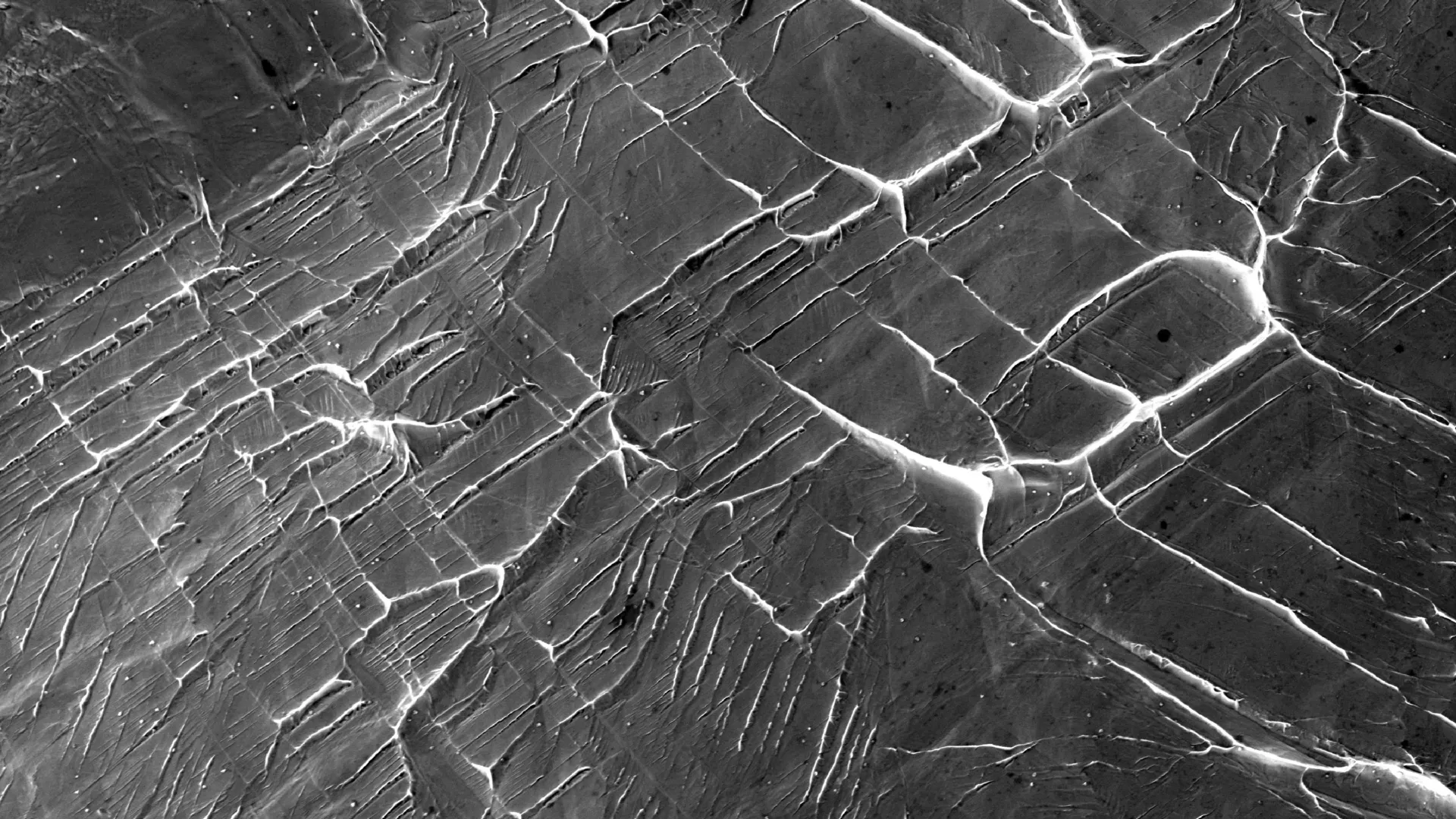
Using powerful microscopes, researchers examined the internal structure of these fragile teeth. They found specialized ridges packed closely together, suggesting a diet completely different from modern crocodiles or other ancient species.
"If it caught a big fish and the fish wriggled, those delicate teeth would get smashed," Imrah said. This crocodile couldn't handle anything larger than a fairy shrimp without breaking its teeth.
Why This Inspires
This discovery shows us that ancient crocodiles weren't just fearsome predators lurking in swamps. They occupied countless ecological roles, from fierce hunters to delicate filter feeders, adapting to survive in ways we're only beginning to understand.
The find also reveals that different prehistoric animals independently evolved similar feeding adaptations. These teeth resemble those of ancient aquatic reptiles called mesosaurs and certain long-snouted pterosaurs that lived millions of years later.
The fossils prove that Jurassic crocodile relatives lived in far more diverse habitats and fed in more varied ways than scientists previously realized. They paint a picture of rich, complex prehistoric ecosystems thriving in what is now Morocco.
"Morocco has an incredibly rich fossil history, but there is still so much waiting to be discovered," Imrah said.
Every carefully excavated fossil reminds us that Earth's story continues to surprise us, one delicate toothpick tooth at a time.
More Images


Based on reporting by Google News - Scientists Discover
This story was written by BrightWire based on verified news reports.
Building Something New? Try the BrightWire Tech Stack Advisor
Compare modern frameworks, cloud hosting, and AI tools tailored to your project budget and scale.
Spread the positivity!
Share this good news with someone who needs it