UK Scientists Unlock Ancient Wheat to Fight New Crop Disease
Scientists are racing to save over half of Britain's wheat crops from a new fungal threat using seeds collected nearly 100 years ago. The century-old collection holds natural resistance that could protect harvests worldwide.
When over half of the UK's wheat became vulnerable to a fast-spreading fungus in 2025, scientists turned to an unlikely hero: seeds gathered from farms around the world in the 1920s.
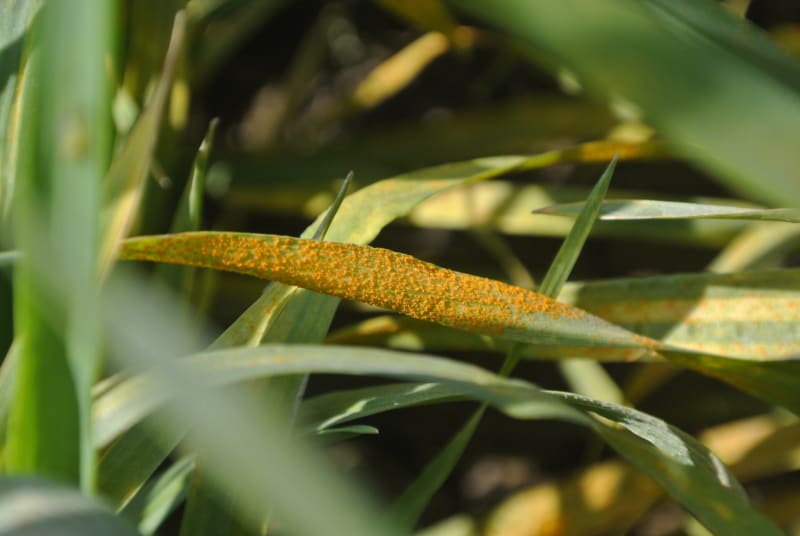
A new strain of yellow rust has overcome the defenses protecting Britain's most popular wheat varieties, leaving a third of the entire wheat market at risk. The windborne fungus spreads quickly during growing season and can devastate harvests if left unchecked.
But researchers at the John Innes Centre discovered something remarkable. The Watkins collection, a treasure trove of 827 wheat varieties collected from 32 countries nearly a century ago, contains natural resistance to this new threat.
The UK government immediately mobilized, awarding a Rapid Response grant to a team of research institutes. The collaboration brings together wheat genetics experts, disease monitoring specialists, and crop breeders working at unprecedented speed.
Professor Diane Saunders, who leads the project, says the breakdown in resistance was unprecedented but the ancient seeds offer exactly what modern crops need. Using the latest genomic tools, her team can now identify the protective genes and help breeders incorporate them into varieties farmers actually use.
The timing matters because without this intervention, UK farmers would become heavily dependent on chemical fungicides to control the disease. Natural genetic resistance offers a more sustainable path forward.
The Ripple Effect
This UK innovation won't stop at Britain's borders. Through partnerships with the International Maize and Wheat Improvement Center, these newly discovered resistance genes will be shared with breeding programs globally as the fungus continues spreading around the world.
The project showcases how preserved biodiversity becomes a living insurance policy. Seeds carefully stored for 100 years at the Norwich Research Park are now protecting food security for millions of people.
Dr. Kostya Kanyuka from research institute Niab is also monitoring for signs the fungus might develop fungicide resistance, ensuring the team stays one step ahead. Meanwhile, the Defra Wheat Genetic Improvement Network ensures findings reach farmers quickly.
Professor Cristóbal Uauy calls it an example of science, breeders, and industry mobilizing together with agility. The collaboration proves that when threats emerge, the research community can respond rapidly with solutions already hidden in nature's diversity.
Ancient wisdom, stored in seeds and unlocked by modern science, is protecting tomorrow's harvest.
More Images
Based on reporting by Phys.org
This story was written by BrightWire based on verified news reports.
Spread the positivity!
Share this good news with someone who needs it