UK Scientists Unveil Plan to Clean Pharmaceutical Pollution
A team of 48 experts just released a roadmap to tackle the growing problem of medications polluting rivers and harming wildlife. The new national strategy could make the UK a global leader in sustainable healthcare.
Scientists have cracked the code on one of healthcare's hidden environmental problems: our medications are ending up in rivers, affecting fish and wildlife in surprising ways.
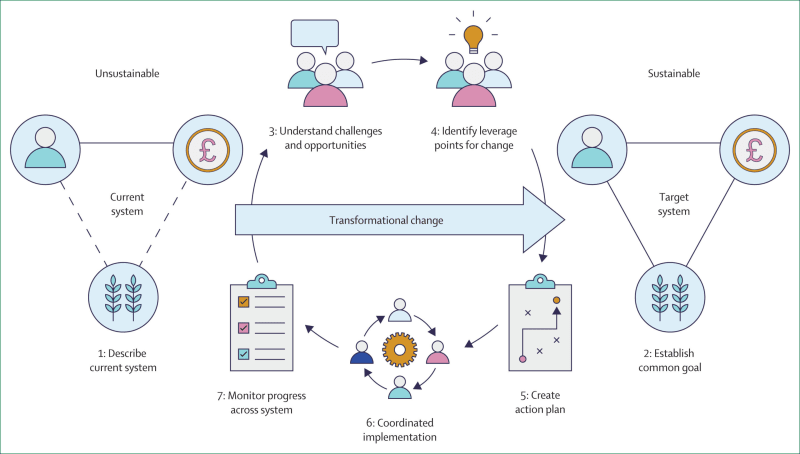
Researchers at the University of Exeter brought together 48 experts from industry, policy, academia, and environmental groups to create the first comprehensive roadmap for reducing pharmaceutical pollution in waterways. Their strategy, published in The Lancet Planetary Health, identifies 37 specific intervention points that could transform how society supplies, uses, and disposes of medications.
The problem is bigger than most people realize. Up to 90% of medications pass through our bodies into sewage systems, and many people flush unused pills down the toilet instead of returning them to pharmacies. Only 27% of UK residents properly dispose of old medications, one study found.
The environmental impact is already visible. Estrogens from birth control pills are causing male fish to develop female characteristics, making it harder for them to reproduce. Antidepressants in waterways are making fish take more risks, leaving them vulnerable to predators.
Lead researcher Kelly Thornber explained that real solutions go beyond quick technological fixes. The team designed a systems-based approach that addresses both immediate pollution sources and the deeper social patterns driving the issue.
Part of the challenge has been a lack of data. No pharmaceuticals are regularly monitored under UK Water Environment Regulations or in drinking water testing, making it hard to track the full scope of pollution in rivers, soils, and crops.
The Ripple Effect
This roadmap arrives at a critical moment. As populations age and people manage multiple health conditions with more medications, pharmaceutical pollution is set to grow without intervention.
The researchers aren't stopping at publishing their findings. They've launched the Pharma Pollution Hub, a new charity that connects organizations across research, policy, and practice to turn these strategies into real-world action.
Professor Charles Tyler, the study's senior author, sees enormous potential for change. The approach could protect biodiversity hotspots like England's national parks, where pharmaceutical contaminants have been detected in rivers, while ensuring healthcare systems remain sustainable for future generations.
The roadmap also offers a template for other high-income countries facing similar challenges, positioning the UK to lead global efforts toward cleaner, more sustainable pharmaceutical systems.
A comprehensive solution to pharmaceutical pollution is finally within reach, protecting both the wildlife in our rivers and the long-term future of healthcare itself.
More Images


Based on reporting by Phys.org
This story was written by BrightWire based on verified news reports.
Spread the positivity!
Share this good news with someone who needs it