UK Student Invents Balloon That Vanishes in 9 Months
A PhD student at Imperial College London created a party balloon that completely biodegrades in nine months, solving one of wildlife's deadliest plastic threats. The "Bioloon" could hit shelves by 2028 and potentially transform everything from party supplies to medical gloves.
Every year, up to 25 billion balloons float through celebrations worldwide, but most partygoers don't know they're buying a wildlife death sentence.
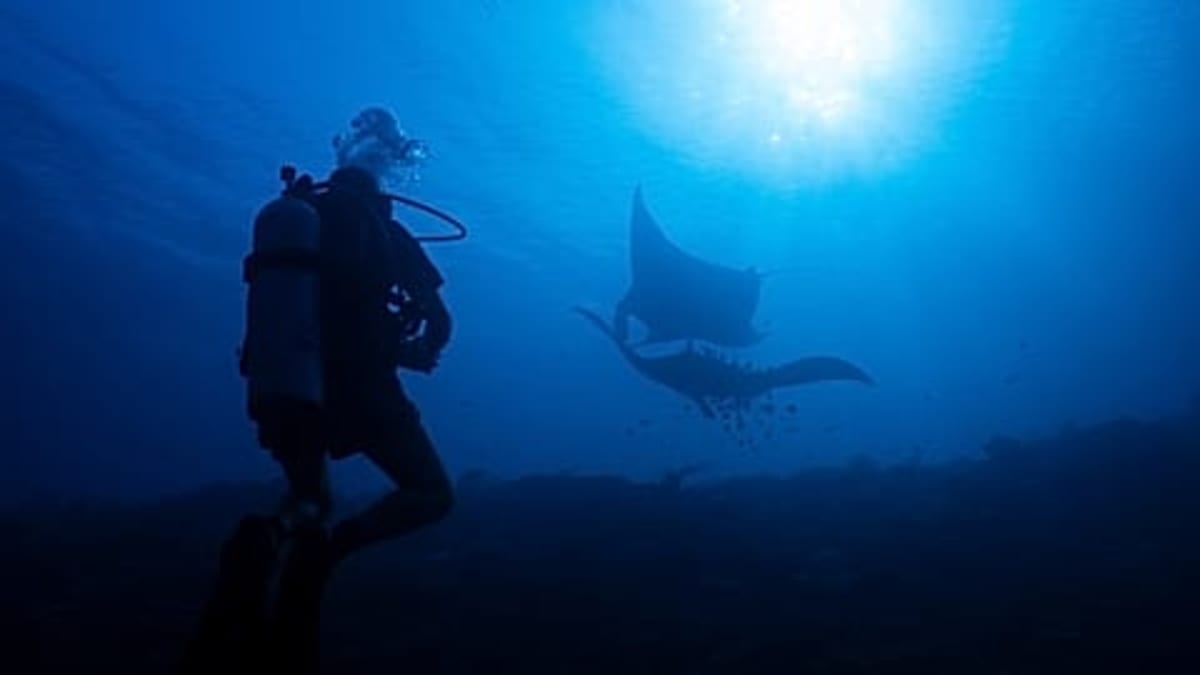
Traditional balloons take years to break down, and a 2019 University of Tasmania study found they're 32 times deadlier to seabirds than hard plastics. When animals swallow balloon fragments, the results are often fatal.
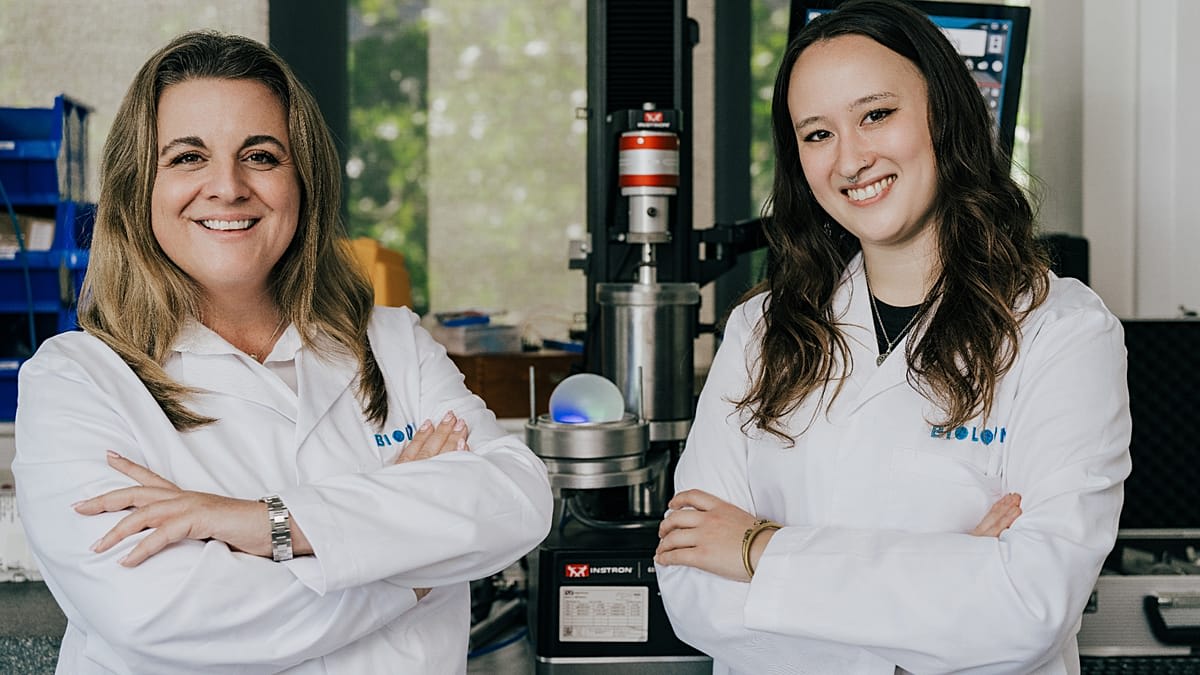
Enter Juliana Cumming, a 29-year-old PhD student who just solved a problem the party industry has ignored for decades. Her invention, the Bioloon, looks and feels like any regular balloon but disappears completely within nine months.
"There were hundreds of trials. We had many, many failures," Cumming admits. But those failures led to a breakthrough formula that keeps natural latex biodegradable without the toxic chemicals that make regular balloons last forever.
The project started with Charlotte Melia, an event planner who spent a decade watching thousands of balloons get tossed in the trash after just hours of use. She discovered that even "eco-friendly" balloons advertised to break down "at the rate of an oak leaf" were actually non-biodegradable.
Frustrated but determined, Melia invested £30,000 to fund Cumming's research at Imperial College London. The gamble paid off.
Regular balloons use a process called sulphur vulcanization, which adds chemicals that prevent breakdown and leak toxins into soil and water. Cumming's formula skips those additives entirely, blending natural latex with another biodegradable polymer instead.
The team tested their creation in soil, seawater, and deionized water. It degraded in every environment.
The Ripple Effect
The Bioloon's impact could stretch far beyond birthday parties. Melia sees potential applications in household gloves, surgical gloves, and even condoms. Any product currently made with traditional latex could get a biodegradable makeover using this technology.
The patent is secured, and if all goes to plan, consumers will find Bioloons on store shelves by 2028. Early tests show they inflate just as easily as conventional balloons, meaning no one has to sacrifice convenience for conscience.
For marine animals and seabirds currently choking on our celebrations, that timeline can't come soon enough. But for the first time, there's a genuine solution on the horizon.
Sometimes the best innovations come from people who simply refuse to accept that harm is the price of happiness.
More Images
Based on reporting by Euronews
This story was written by BrightWire based on verified news reports.
Spread the positivity!
Share this good news with someone who needs it