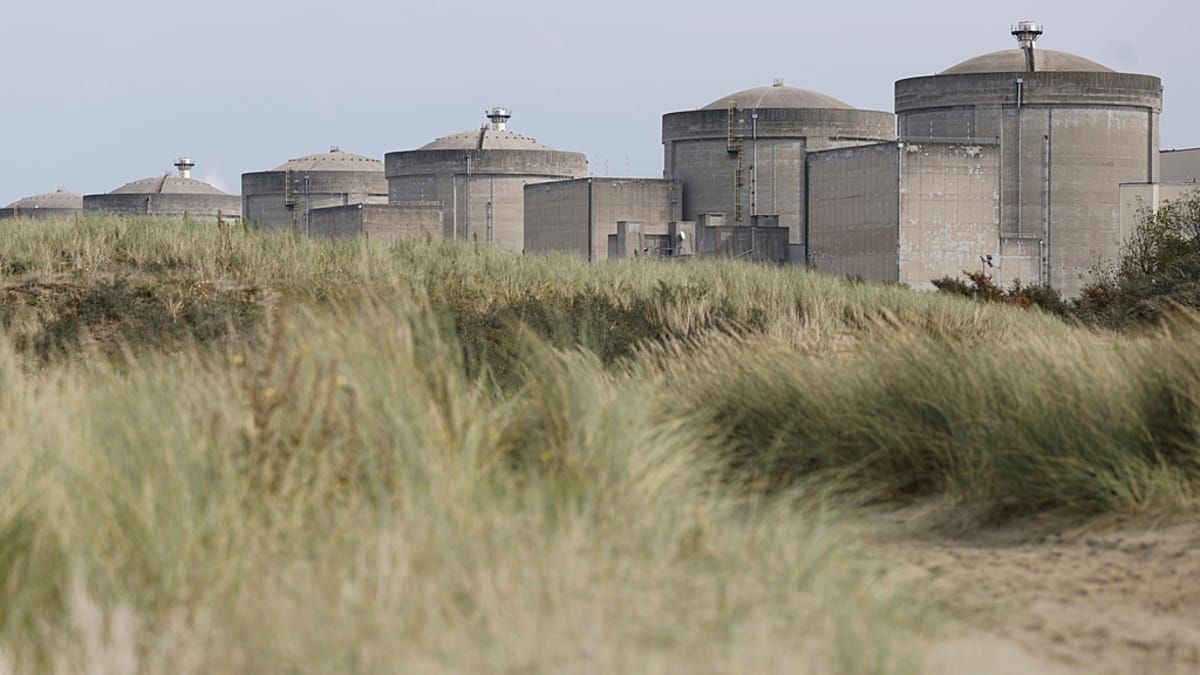
UK Tests Robots to Safely Handle Nuclear Waste
Robots are now doing the dangerous work of sorting nuclear waste in South Gloucestershire, keeping human workers safer while saving potentially hundreds of millions of pounds. Two groundbreaking trials are showing how technology can tackle one of Britain's toughest cleanup challenges.
Nuclear waste cleanup just got a lot safer, thanks to robots that can sort radioactive materials while human operators work from a comfortable distance.
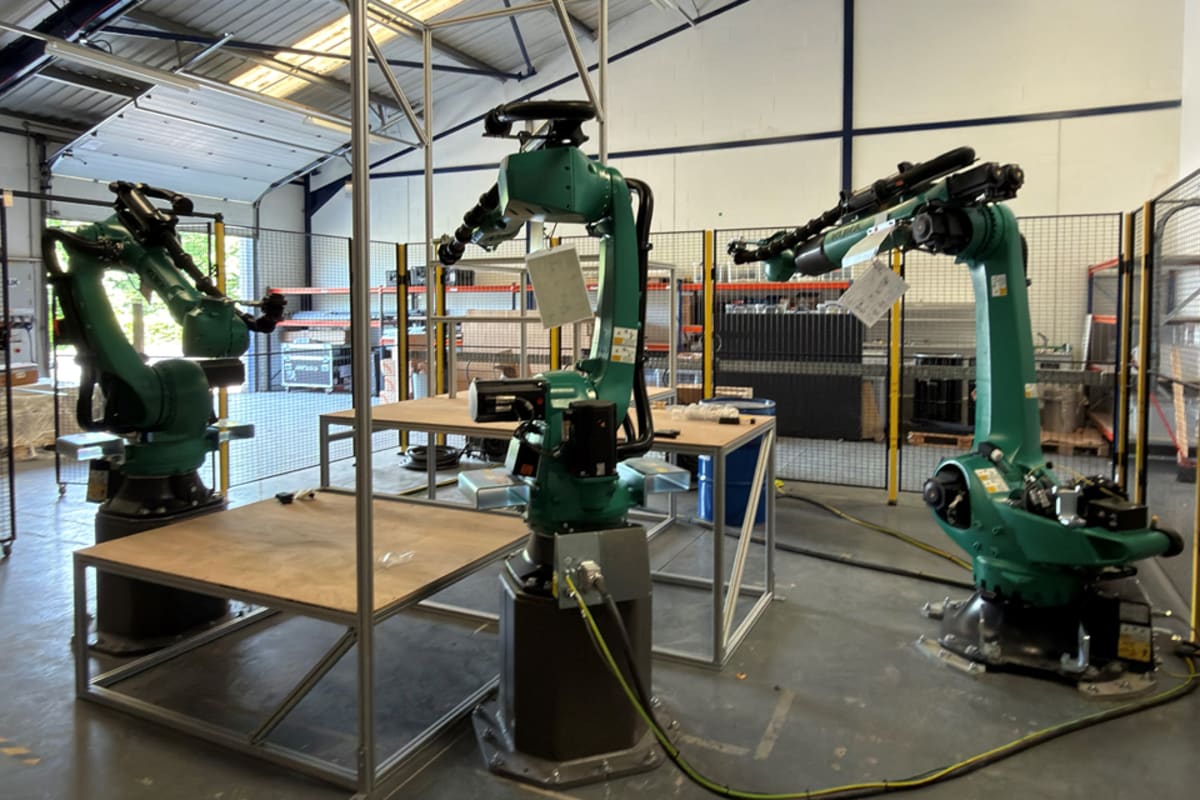
At the Oldbury decommissioning site in South Gloucestershire, Nuclear Restoration Services is testing two complementary robotic systems that could transform how Britain handles its nuclear legacy. The trials tackle fuel element debris, the material that once housed nuclear fuel during power generation and now needs careful sorting and removal.
Currently, workers suit up in full protective gear and use manual tools with long grippers, reaching over thick protective walls. It's demanding, time-consuming work in challenging environments. The new robotic arm changes everything.
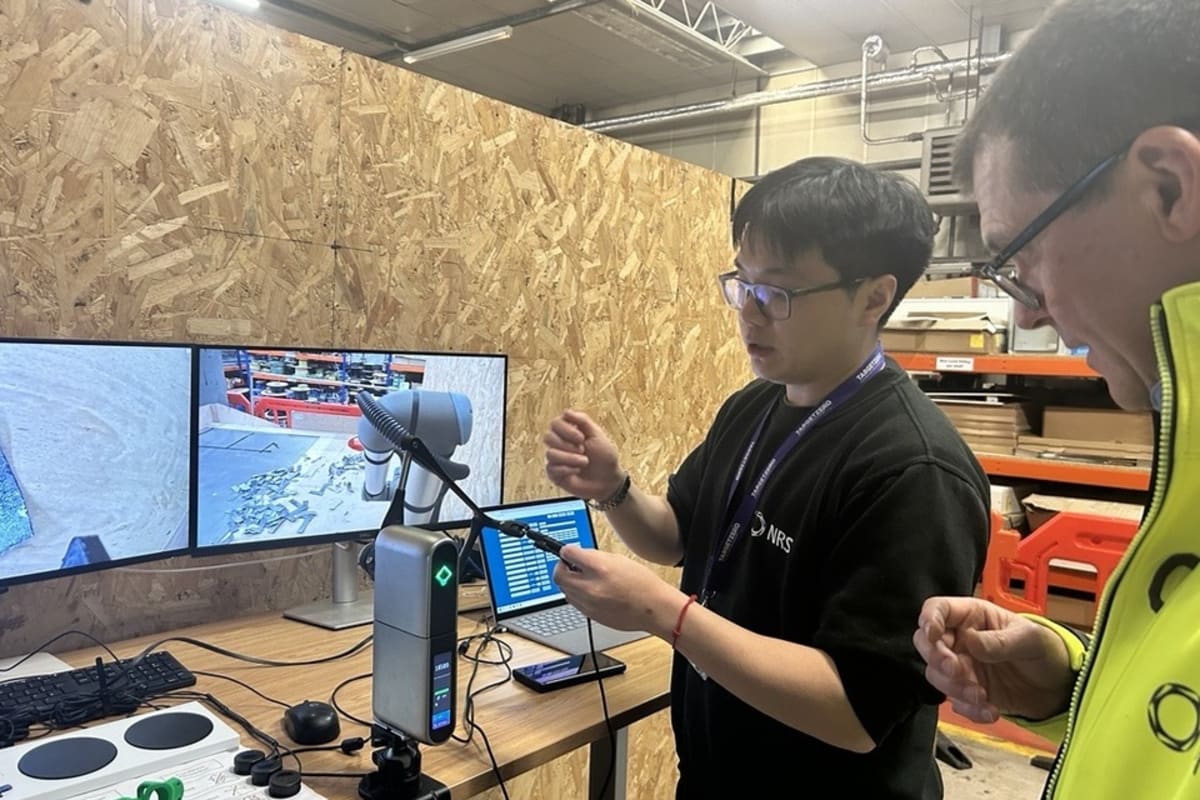
The teleoperated system gives operators greater precision while working from a safer location. Advanced haptic controls translate hand movements directly to the robot and send resistance feedback to the operator's hand. It feels almost like touching the materials yourself, but from a completely safe distance.
A second trial called Auto-SAS takes things further with autonomous sorting. This system can identify, categorize, and separate complex mixed radioactive waste without human direction. It uses 3D scanning technology and artificial intelligence to make decisions about which materials go where.
The £9.5 million investment over four years could deliver hundreds of millions in savings across Britain's 18 nuclear sites. Much of that comes from directing waste to appropriate disposal routes rather than automatically sending mixed waste to expensive high-level disposal just because it's too difficult to sort manually.
Why This Inspires
This isn't just about nuclear cleanup. The technology being developed at Oldbury has potential far beyond Britain's decommissioning sites.
Auto-SAS could revolutionize complex waste sorting in other industries wherever dangerous or difficult materials need separation. The 3D scanning and robotic systems could work in mining, chemical processing, or hazardous material recovery worldwide.
More importantly, this represents a fundamental shift in how we think about dangerous work. Instead of asking humans to suit up and enter hazardous environments, we're creating technology that removes people from harm entirely. Some operators who couldn't physically work in restrictive protective gear may now contribute their skills remotely.
The partnerships behind this success matter too. The Robotics and Artificial Intelligence Collaboration, UK Atomic Energy Authority, technology company ARCTEC, and the Nuclear Decommissioning Authority worked together to make this happen. Innovation works best when expertise combines across organizations.
Active testing of Auto-SAS begins on site around mid-2027. The robotic arm trials continue building evidence for wider deployment. Together, they're proving that the most dangerous jobs don't need to put people at risk anymore.
Britain's nuclear cleanup challenge just became more manageable, safer, and smarter.
More Images
Based on reporting by Google: robotics innovation
This story was written by BrightWire based on verified news reports.
Spread the positivity!
Share this good news with someone who needs it