UK Triples Ebola Funding to £78.7M for DRC and Uganda
The United Kingdom nearly tripled its commitment to fight Ebola in Central Africa, bringing total support to £78.7 million as health workers race to contain an outbreak affecting millions. The boost will strengthen surveillance, lab testing, and community protection across six provinces.
When an unexplained illness with high death rates emerged in the Democratic Republic of Congo this May, health officials knew they were facing a serious challenge. Now the UK is stepping up with major funding to help stop the outbreak before it spreads further.
The British government announced it's increasing its Ebola response support to £78.7 million, up from an initial £26.9 million commitment. The additional funds will support treatment efforts in the DRC and Uganda while strengthening border preparedness across the region.
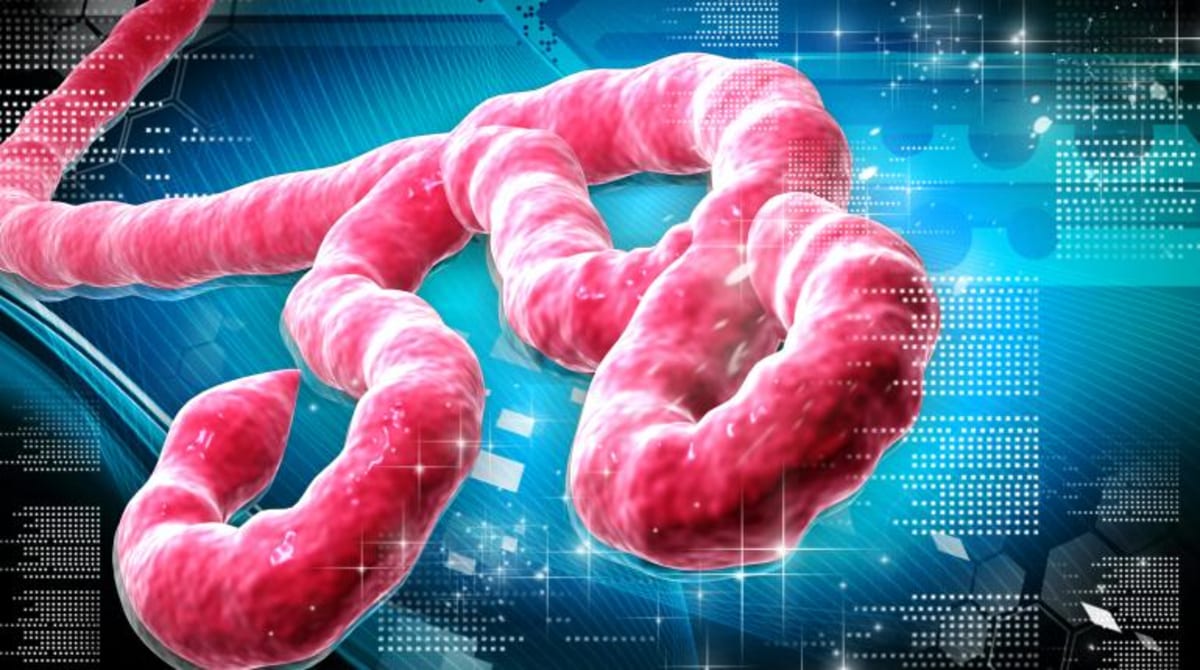
The outbreak has already affected 6,686 people and claimed 3,226 lives across six provinces and 60 health zones. It's caused by the Bundibugyo virus, a different strain than previous outbreaks, which makes specialized response even more important.
UK Minister for International Development Kirsty McNeill met with Africa CDC Director-General Jean Kaseya in Addis Ababa to coordinate the expanded response. Their discussions focused on how to speed up testing, improve treatment access, and protect communities near outbreak zones.
The funding will strengthen several critical areas. Surveillance systems will help identify cases faster, while improved lab capacity means quicker testing and diagnosis. The money will also support infection control measures, better patient care, community education, and preparedness along borders where the disease could spread.
The World Health Organization declared the situation a Public Health Emergency of International Concern after Uganda confirmed imported cases. Nearly 4,000 health workers are already treating patients in 59 treatment centers with 1,400 beds, but officials say they need 5,000 more workers and 1,600 additional beds.
The Ripple Effect
This investment represents more than emergency funding. It's building the health infrastructure that will protect communities long after this outbreak ends. Stronger labs, better trained health workers, and improved surveillance systems will help catch future threats earlier.
The partnership between UK support and African-led coordination shows what's possible when international resources align with local expertise. Health workers on the front lines now have more tools, supplies, and backup to do their lifesaving work safely.
Kaseya emphasized that strong partnerships aligned with African institutions are essential to bringing outbreaks under control. "We are working closely with the DRC, neighbouring countries and partners to stop transmission, protect communities and support health workers on the front line," he said.
The expanded support comes at a crucial moment as African health authorities work to strengthen coordination across borders. Quick identification, testing, and treatment of suspected cases can mean the difference between containing an outbreak and watching it spread.
With this investment, thousands of health workers will have what they need to protect entire communities from a deadly disease.
More Images


Based on reporting by Premium Times Nigeria
This story was written by BrightWire based on verified news reports.
Spread the positivity!
Share this good news with someone who needs it