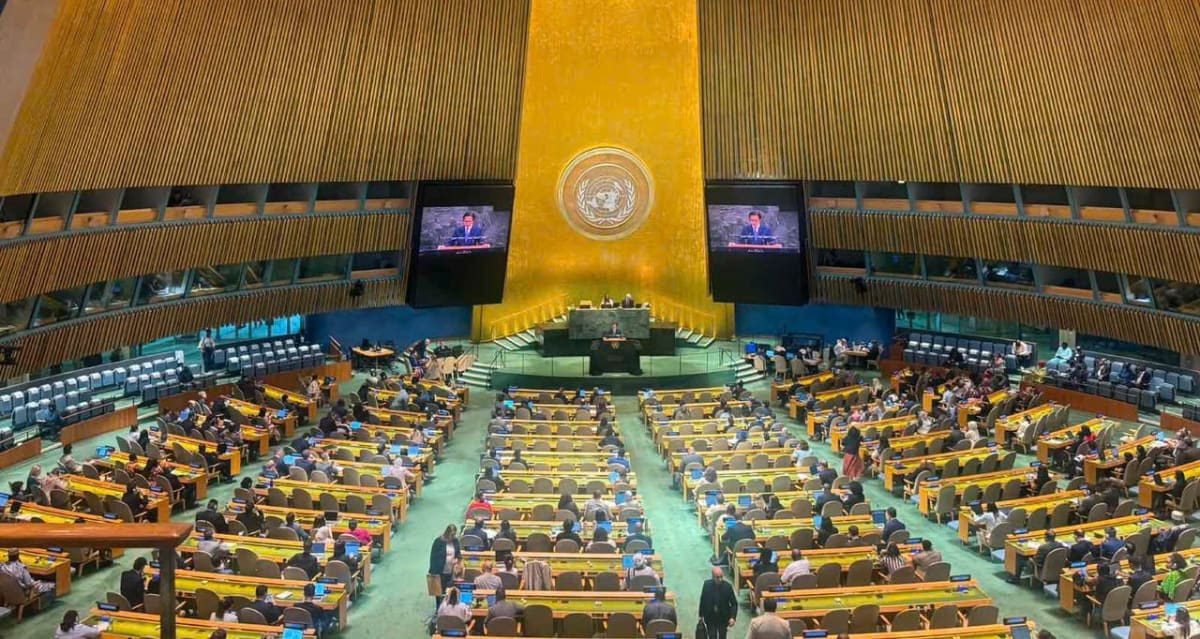
UN Adopts First Global Treaty for Gig Workers' Rights
Hundreds of millions of delivery drivers, rideshare workers, and app-based employees just gained historic protections under the world's first binding international agreement for gig economy workers. The treaty requires minimum wage, healthcare, sick leave, and an end to exploitative contractor classifications.
Delivery drivers, rideshare operators, and digital platform workers worldwide just won protections that have eluded them for over a decade.
The United Nations International Labour Organization adopted the world's first binding treaty for gig economy workers on Friday in Geneva. The Decent Work in the Platform Economy Convention extends employment protections to an estimated 435 million app-based workers globally, covering everyone from food delivery couriers to home care providers.
The agreement tackles a core issue that has left gig workers vulnerable for years. Companies like Uber, DoorDash, and others have long classified workers as independent contractors rather than employees, denying them basic labor protections while still controlling their schedules and work locations.
Under the new standards, that practice ends. The treaty requires platforms to provide minimum wage, healthcare coverage, sick leave, and social security contributions to their workers.
The vote showed overwhelming support, with 406 members backing the convention, just eight opposing, and 36 abstaining. ILO members include governments, employers, and workers' representatives from countries around the world.
Amanda Brown, vice chair of the ILO's Workers' Group, called it a landmark moment after years of documented abuse. "For the first time in the history of international law, the women and men who move our cities, who clean and care in our homes will be named, recognised and protected by a binding international standard," she told delegates.
The convention applies to all digital labor platforms and workers, whether they operate in formal or informal economies. This means protections extend to workers in developing nations where gig work has exploded but regulations remain sparse.
The Ripple Effect
This treaty creates accountability where none existed before. While the ILO cannot directly enforce the standards, member countries can file formal complaints triggering investigations and international pressure.
More importantly, once countries ratify the convention and incorporate it into national law, workers gain the power to take legal action against platforms directly. That creates real pathways for millions to challenge unfair practices and claim the protections they deserve.
Even employer groups found positives in the framework. Roberto Suarez Santos, head of the International Organisation of Employers representing 50 million companies, welcomed that the treaty "respects national legal systems and allows countries to determine employment status according to their own laws."
The treaty marks a turning point after years of workers organizing, protesting unsafe conditions, and pushing back against poverty wages from billion-dollar tech platforms. Their voices finally broke through at the highest level of international labor law.
For gig workers who've powered modern convenience while struggling to afford basic needs, this convention represents hope that their labor will finally be valued with dignity and fair treatment.
Based on reporting by Al Jazeera English
This story was written by BrightWire based on verified news reports.
Spread the positivity!
Share this good news with someone who needs it