UN: Better Building Design Cuts Costs and Emissions Now
Buildings can be designed today to use far fewer materials and generate less waste, cutting costs and emissions without waiting for new technology. The construction sector uses nearly half of all materials extracted globally, making this shift crucial for climate action and resource security.
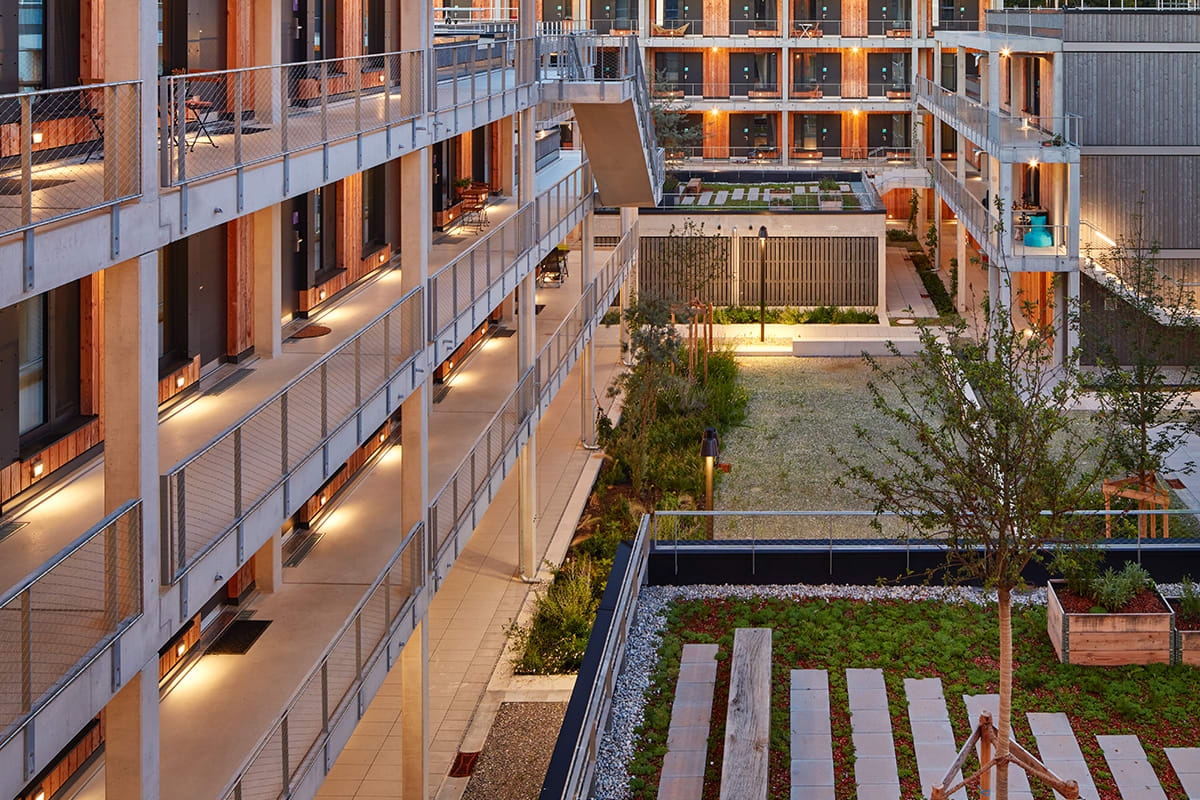
A warehouse in southern Germany got a second life as modern housing, built mostly from materials already on site. Instead of hauling away demolition waste and trucking in new supplies, builders used prefabricated wooden panels and existing resources to create Campus Ro, shortening construction time and slashing waste.
This project showcases what Smail Alhilali calls one of the most overlooked opportunities in construction. As head of the Circular Economy and Green Industry Division at UNIDO, he sees a massive win hiding in plain sight.
Construction devours nearly half of all materials extracted worldwide. That means decisions about how we build affect far more than individual structures. They shape demand for cement, steel, glass, aluminum, and critical minerals across the entire industrial economy.
The good news? We don't need to wait for breakthrough technology to make a difference. Through better design, material optimization, and smarter recovery practices, projects can reduce material demand, waste, costs, and emissions right now.
Alhilali points to structural efficiency as the game changer. Buildings designed with fewer materials from the start save money and cut carbon immediately. Digital material passports track what goes into each structure, making future reuse easier. Modular construction allows components to be disassembled and repurposed decades later.
Countries with older building stocks aren't at a disadvantage. Renovating and adapting existing structures is itself a powerful circular strategy. Advanced economies can lead by developing standards, digital tools, and markets for secondary construction materials.
The Ripple Effect
Transforming construction delivers benefits that extend across borders and industries. Keeping materials in productive use longer reduces dependence on virgin resources, strengthening supply chains during geopolitical uncertainty. Resource security improves while creating jobs in design, manufacturing, and material recovery.
The shift supports economic growth and innovation while protecting the environment. Every optimized building reduces pressure on natural resources and demonstrates how circular principles work at industrial scale.
Some benefits appear immediately through cost savings and reduced waste. Medium term gains come from improved recycling systems and circular business models. Long term advantages emerge as buildings designed for disassembly reach the end of their first use.
Alhilali invokes an old truth: the best time to plant a tree was twenty years ago, but the second best time is today. The homes, offices, and facilities built now will stand for decades. Designing them right from the start determines how circular and resilient our future will be.
The transformation from exception to norm requires collaboration across industries, but the opportunity is clear. Construction can boost competitiveness, strengthen resource security, and accelerate climate action simply by building smarter with what we already know how to do.
Based on reporting by Google News - Clean Energy
This story was written by BrightWire based on verified news reports.
Spread the positivity!
Share this good news with someone who needs it