UN Delivers 30 Tons of Aid to Congo Ebola Outbreak
Within 72 hours of declaring an Ebola outbreak in eastern Congo, UN agencies airlifted 30 tons of medical supplies and deployed peacekeepers to protect vulnerable communities. Despite facing a rare virus strain with no vaccine, thousands of health workers are racing to contain the outbreak while feeding millions already facing hunger.
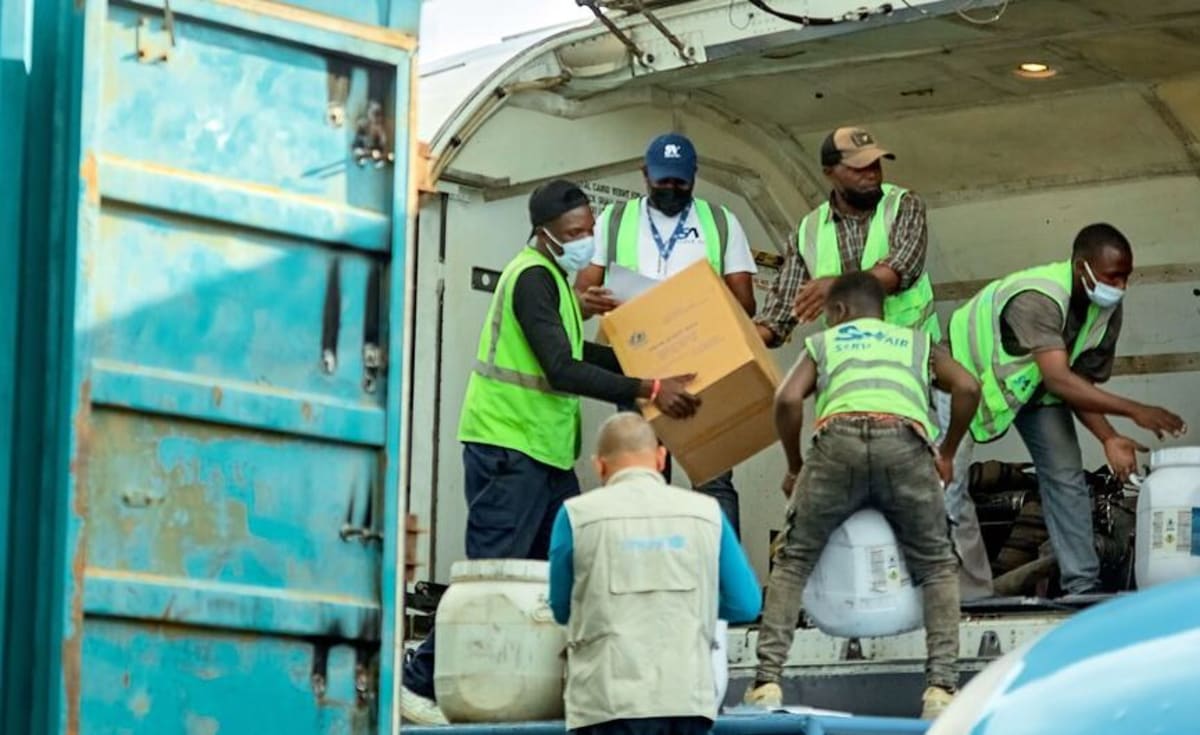
When Ebola returned to eastern Congo on May 15, the world's response was swift and massive. The UN moved 30 tons of emergency supplies to Ituri province in less than a week, proving that global health systems learned crucial lessons from past outbreaks.
The World Health Organization delivered the first 11.5 tons within three days, flying protective equipment, medical kits, and tents from three different hubs. UN peacekeepers immediately established an "air bridge" using military helicopters to reach remote areas where roads are dangerous or impassable.
But the response goes far beyond medicine. UN peacekeepers walked through villages 120 kilometers from the nearest city, using loudspeakers to teach residents about handwashing and recognizing symptoms. In displacement camps around Fataki, they're conducting daily awareness sessions to stop panic and protect the most vulnerable families.
The outbreak struck one of the world's most challenging humanitarian zones. Some 10 million people across four eastern provinces already face severe hunger from decades of armed conflict. In Ituri alone, more than a third of the population was at crisis hunger levels before Ebola arrived.
The World Food Programme is now fighting two emergencies at once. Teams are delivering food to Ebola patients and their families while transporting medical workers into dangerous areas. They're feeding the doctors and nurses on the front lines so health workers can focus on saving lives.
UNICEF mobilized nearly 50 tons of supplies specifically for children, who face unique dangers during outbreaks. Kids can lose parents to the disease, face stigma if family members get sick, and miss school when communities shut down. Emergency teams are now in Bunia providing psychological support and keeping essential services running.
The Ripple Effect
This coordinated response shows how far global health cooperation has come. The Congo has faced Ebola 17 times in 50 years, and each outbreak teaches the world how to respond faster and smarter.
Private companies donated logistics support. Regional health systems in Uganda activated preparedness plans immediately when cases appeared. More than 2,000 community health workers already trained and ready sprang into action across Ituri province.
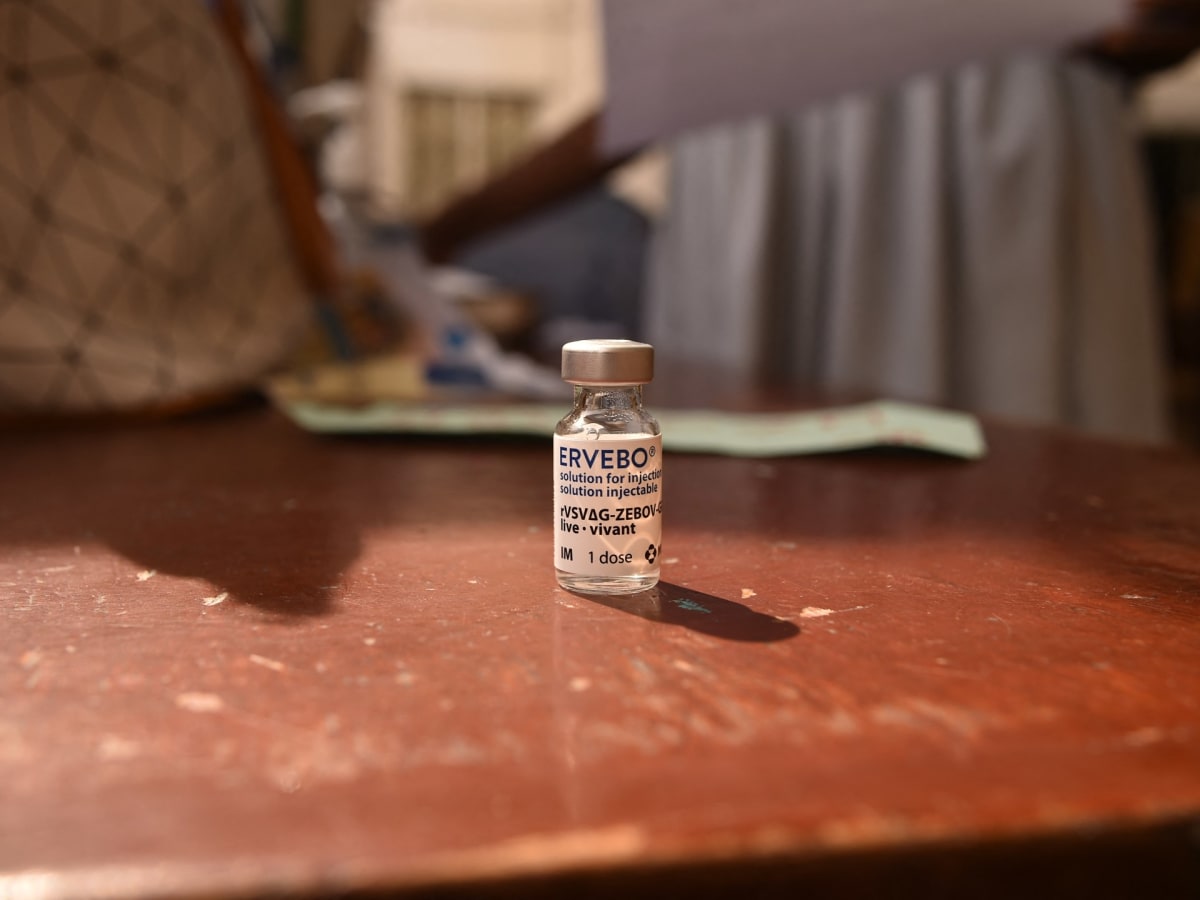
The current outbreak involves the rare Bundibugyo strain, which has no approved vaccine or treatment yet. But researchers worldwide are already studying samples and accelerating clinical trials. Every outbreak, however tragic, advances science closer to lasting solutions.
The $214 million funding gap remains serious, and more resources are urgently needed for remote villages. But the speed and scale of this response proves that when crisis hits, the global community can mobilize with remarkable compassion and efficiency.
Thousands of health workers are choosing hope over fear, walking into affected communities when others flee.
Based on reporting by AllAfrica - Headlines
This story was written by BrightWire based on verified news reports.
Spread the positivity!
Share this good news with someone who needs it