UN Forms First Global AI Panel to Keep Humans in Charge
Forty experts from around the world are working on the first UN study examining how artificial intelligence is reshaping society. Their mission: make sure humans stay at the center of every AI decision.
The United Nations just launched something that's never existed before: a global scientific panel dedicated to understanding how artificial intelligence affects real people's lives.
Forty experts from diverse backgrounds formally began their work in February 2026, appointed by the UN General Assembly. These aren't just tech specialists. The panel includes voices from academia, civil society, government, and the private sector, all focused on one crucial question: how do we keep humans in control as AI transforms everything around us?
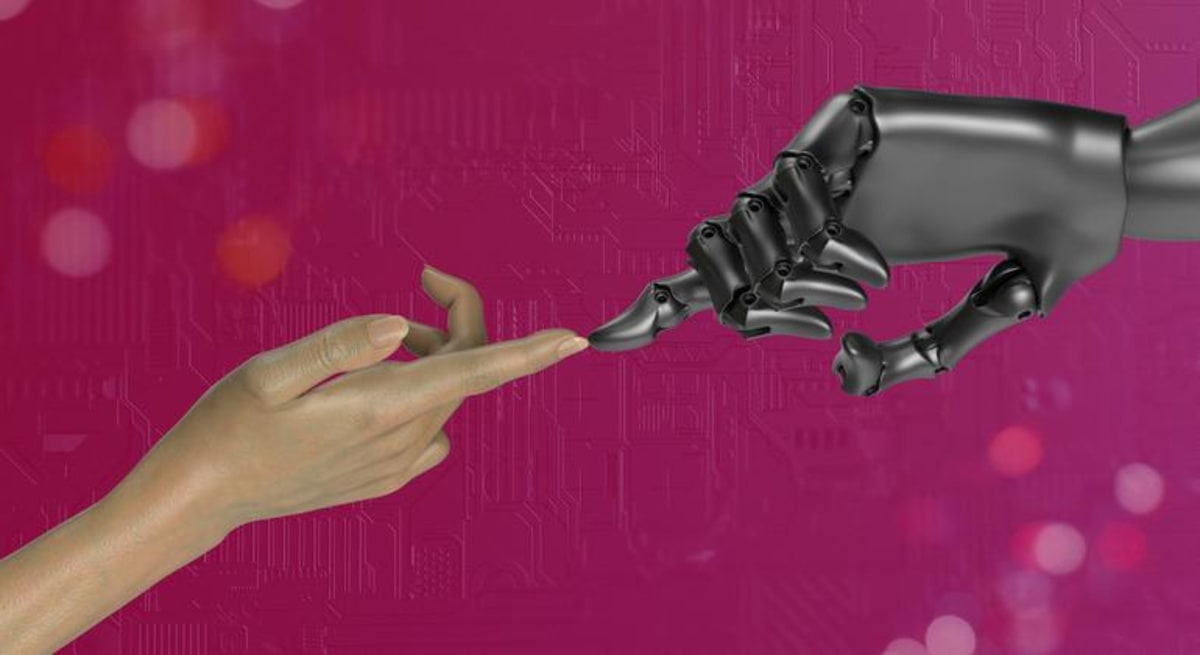
"We are not just focusing on AI as a mathematical or algorithmic field: we are also looking at ensuring that humans are central to decision-making," says Menna El-Assady, one of the founding members. She's an assistant professor at the Swiss Federal Institute of Technology in Zurich who champions the idea of "augmented intelligence," using AI to enhance human abilities rather than replace them.
The panel is examining how AI impacts critical areas like healthcare and the job market. They're asking tough questions about when we need human expertise and when automation makes sense. El-Assady calls this understanding the "co-adaptation loop," the ongoing relationship between humans and AI as both learn and evolve together.
One practical solution the panel is exploring: AI watermarking. This would make it crystal clear whether content came from a human or a machine, helping people navigate an increasingly digital world with confidence.
The panel also wants to create "public digital infrastructure" so that AI development isn't limited to wealthy countries or corporations. They're pushing for AI models that incorporate different cultures and languages, ensuring the technology serves everyone, not just a privileged few.
The Ripple Effect
This isn't about creating new rules or regulations. The panel's job is to provide clear, evidence-based information that helps leaders make smart decisions. Think of it like a global conversation starter, grounding AI policy in real science and real human needs.
Their first report drops this July at the Global Dialogue on AI Governance in Geneva. It will offer the world's first comprehensive scientific assessment of AI's opportunities, risks, and impacts across society.
The timing matters. UN Secretary-General António Guterres warned last September that "humanity's fate cannot be left to an algorithm." This panel is the response to that warning, bringing together the brightest minds to ensure technology serves humanity, not the other way around.
The panel represents hope that we can harness AI's incredible potential while protecting what makes us human.
Based on reporting by UN News
This story was written by BrightWire based on verified news reports.
Spread the positivity!
Share this good news with someone who needs it