UN Helps 5 Nations Turn Mining Boom Into Local Progress
As electric vehicles drive demand for lithium and cobalt, the UN is helping mining countries turn resource wealth into better jobs, safer conditions, and empowered communities. From Argentina to Zambia, new partnerships are keeping more benefits local.
The clean energy revolution needs minerals, and five countries are making sure their people benefit from digging them up.
Electric cars and solar panels run on batteries filled with lithium, cobalt, nickel, and copper. The United Nations is now helping countries rich in these resources turn mining into lasting progress for workers and communities, not just profits for global supply chains.
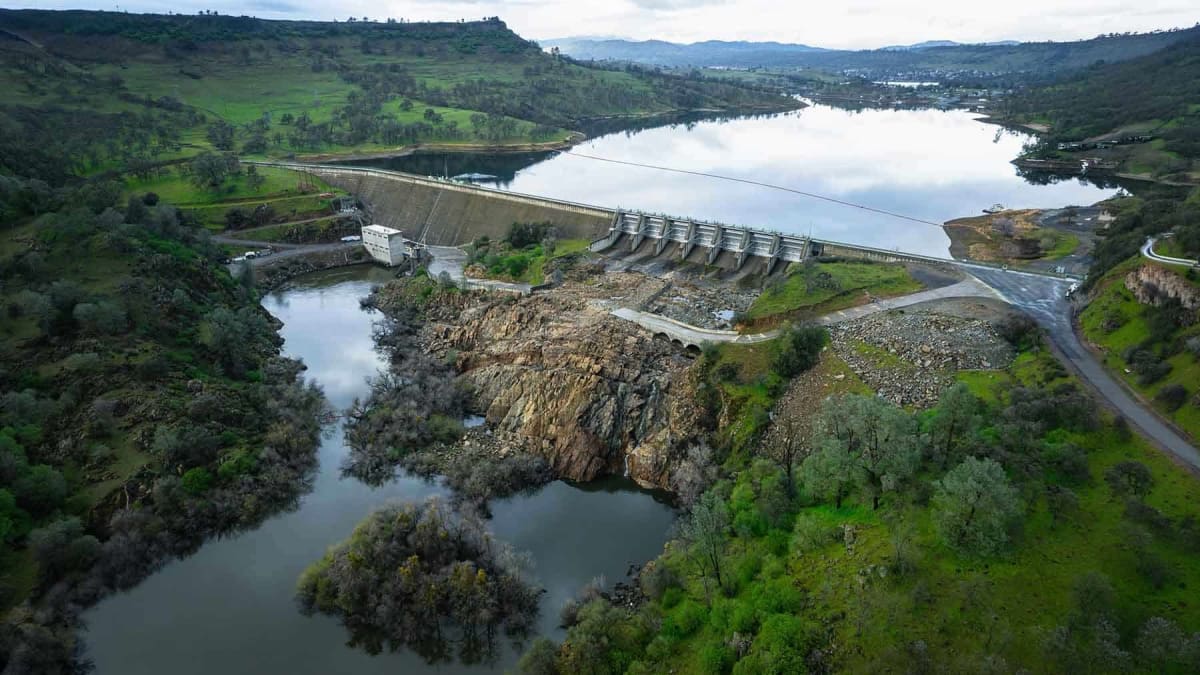
In Argentina, home to some of the world's largest lithium reserves, the UN brings together governments, mining companies, and Indigenous communities to talk through concerns before shovels hit the ground. The support includes financial planning help for provinces so mining revenue stays local, plus skills training programs that are bringing more women into an industry long dominated by men.
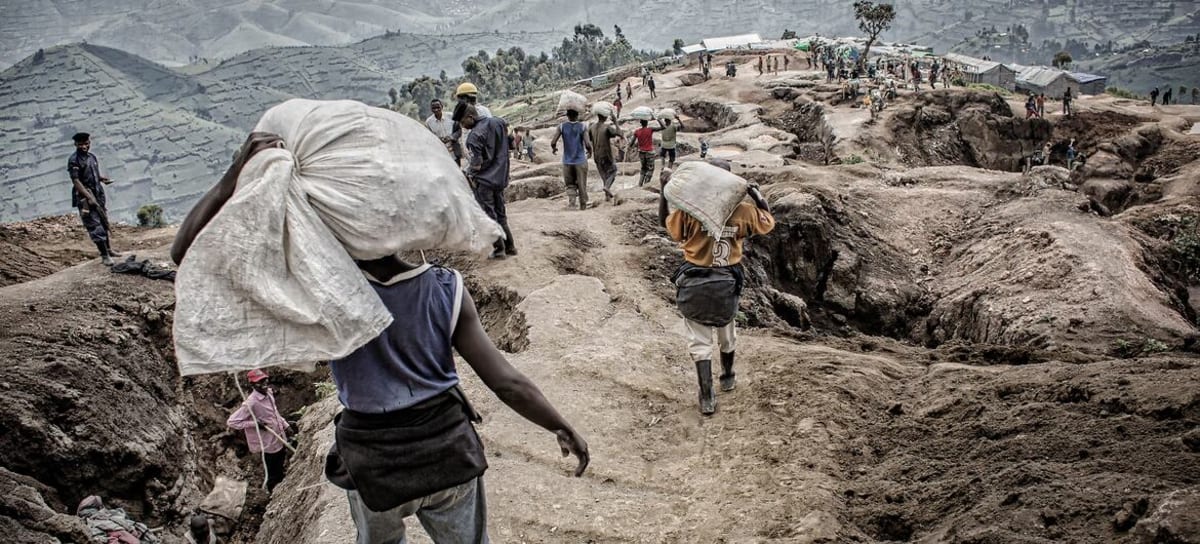
The Democratic Republic of the Congo produces 70 percent of the world's cobalt, essential for rechargeable batteries. UN support there focuses on strengthening policies and helping local businesses join battery and electric vehicle supply chains, transforming the country from raw material exporter to manufacturing participant.
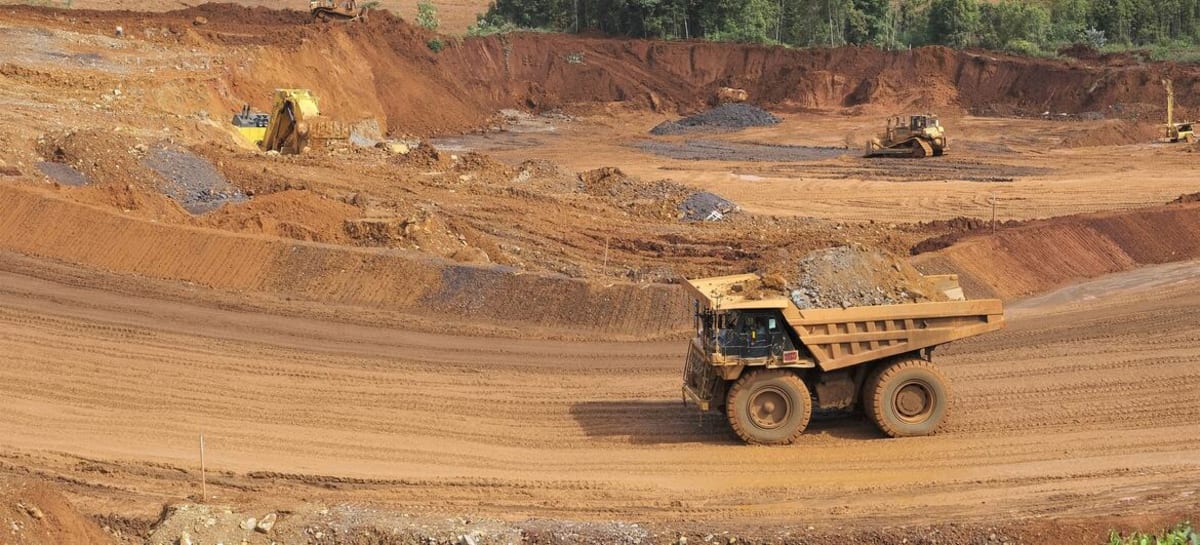
Indonesia is taking a similar path with nickel. Rather than shipping raw ore overseas, the country is building higher value manufacturing at home. The UN is helping improve production standards, promote cleaner processes, and develop the green skills workers need as the economy transforms.
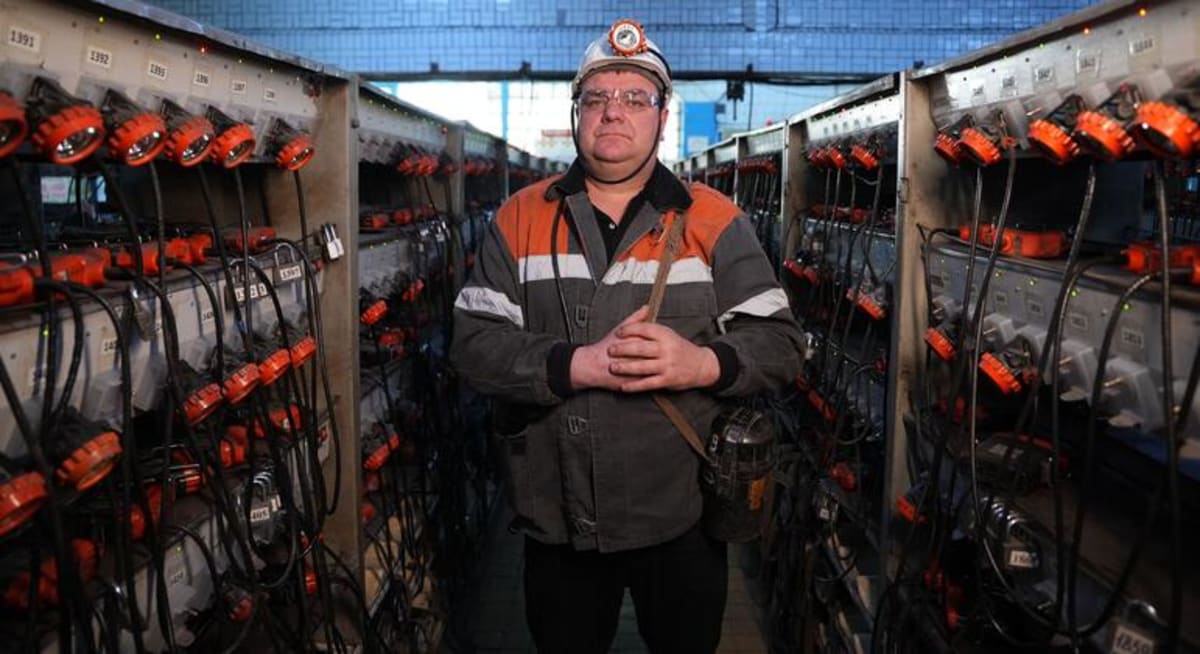
In Kazakhstan, the focus is on transparency and safety. UN teams are helping align national mining rules with international standards while identifying risks from corruption and weak oversight. They're also exploring ways to recover valuable materials from electronic waste, reducing the need for new extraction.
Zambia's program centers on people. The UN is developing a national mining skills strategy and preparing workers for jobs in battery production. Small businesses are getting support to join electric vehicle supply chains, while artisanal miners receive safety training and environmental guidance.
The Ripple Effect
These partnerships represent a fundamental shift in how resource wealth flows. When mining communities help monitor environmental impacts alongside universities and companies, trust grows. When workers gain skills for emerging industries, economic security follows. When Indigenous voices shape development plans from the start, fewer conflicts arise later.
The approach recognizes that digging minerals from the ground is the easy part. The real work lies in building systems where resource wealth creates opportunity instead of exploitation, where environmental protection and economic growth advance together, and where the people living above these valuable deposits get to shape their own futures.
Five countries are proving that the clean energy transition can lift up the communities that make it possible.
More Images
Based on reporting by UN News
This story was written by BrightWire based on verified news reports.
Spread the positivity!
Share this good news with someone who needs it