UN Renews Fight for Global Development as Human Right
Forty years after declaring development a human right, the United Nations is gathering world leaders to tackle a stark reality: the world's 56,000 billionaires hold three times more wealth than the poorest half of humanity. This week's summit aims to turn equity from a promise into practice.
Imagine two children born on the same day in different countries. One grows up with quality schools, healthcare, and a voice in democracy. The other faces poverty, conflict, and limited opportunity. The United Nations says this gap isn't just unfair. It's a human rights violation.
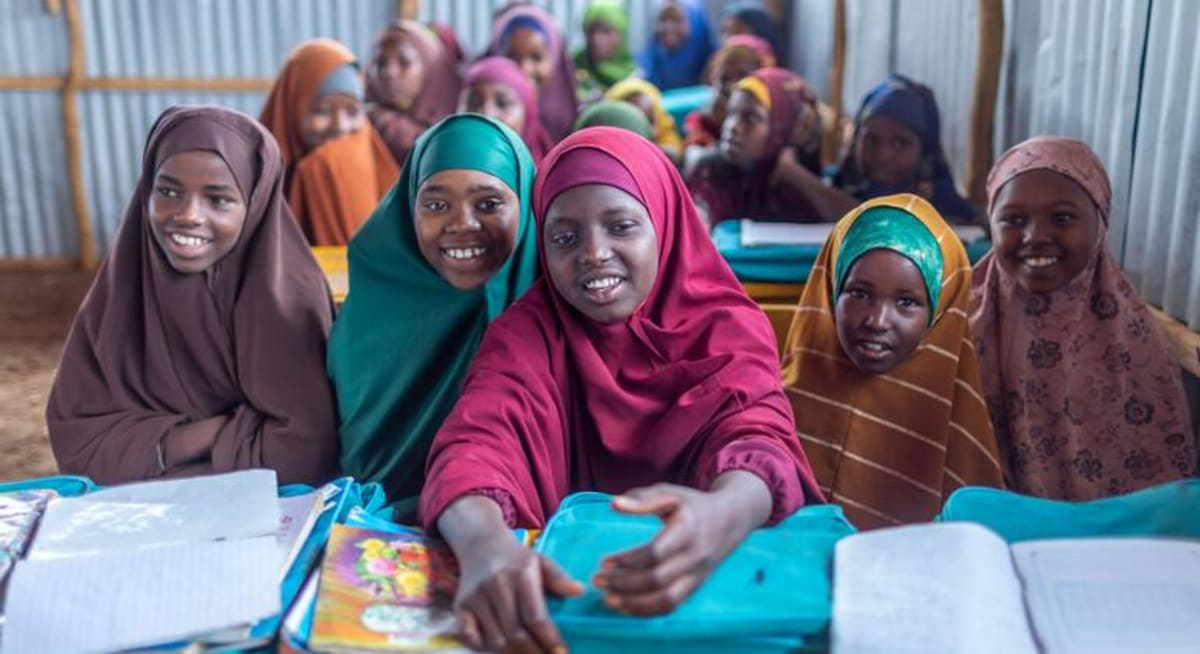
Since 1986, the UN has recognized development as a fundamental right belonging to everyone, not just an economic goal for governments to track. It means every person deserves to participate in and benefit from progress in their community and country.
The numbers tell a sobering story. According to the 2026 World Inequality Report, half the world's poorest people own just two percent of global wealth. Meanwhile, 56,000 billionaires control three times that amount.
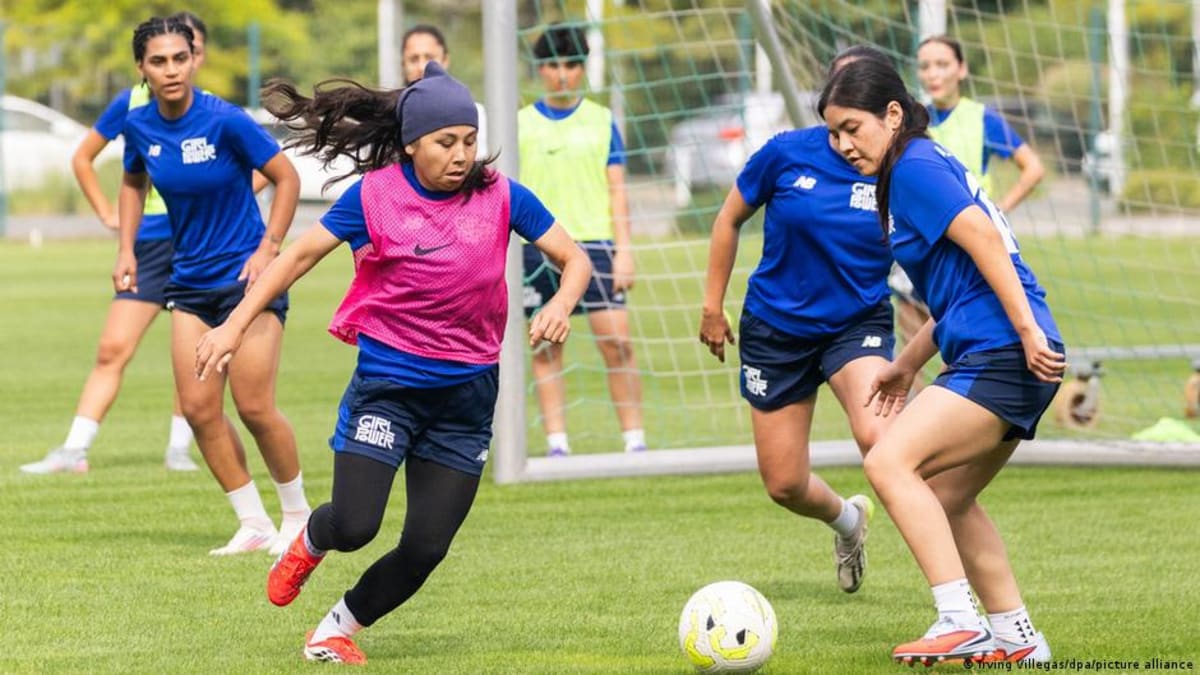
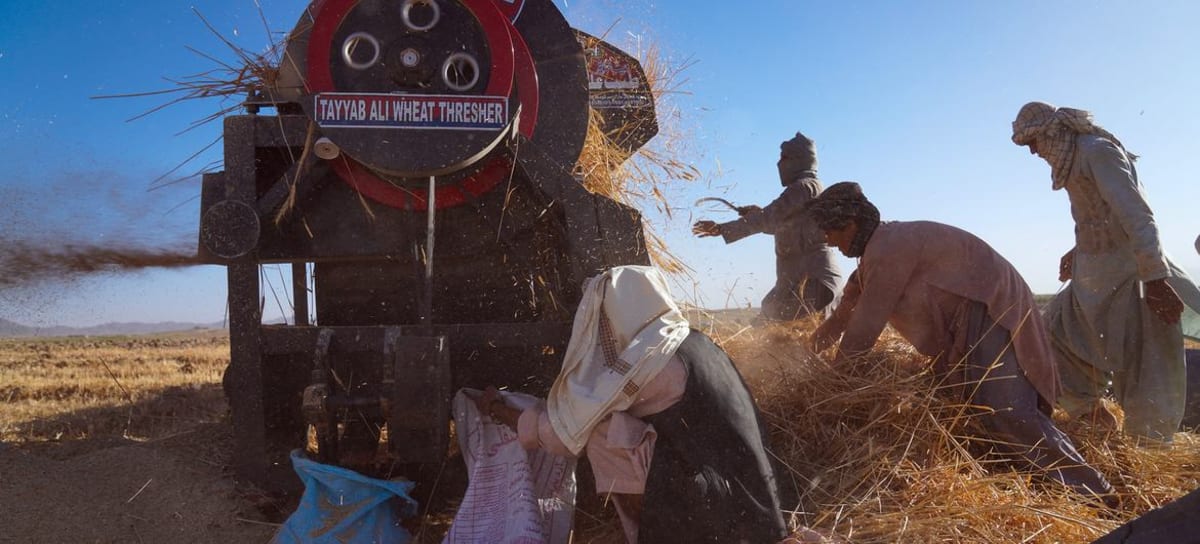
The right to development works differently than charity. In Morocco, women are launching businesses through vocational training programs they helped design. Indigenous communities in Colombia participated directly in the country's peace accords. In Afghanistan, India, and Palestine, communities learned to share resources cooperatively instead of competing.
But when development excludes people, the consequences are real. Kenya's Endorois community lost their ancestral grazing lands around Lake Bogoria when it became a game reserve without their input. Their cattle died, and their livelihoods vanished.
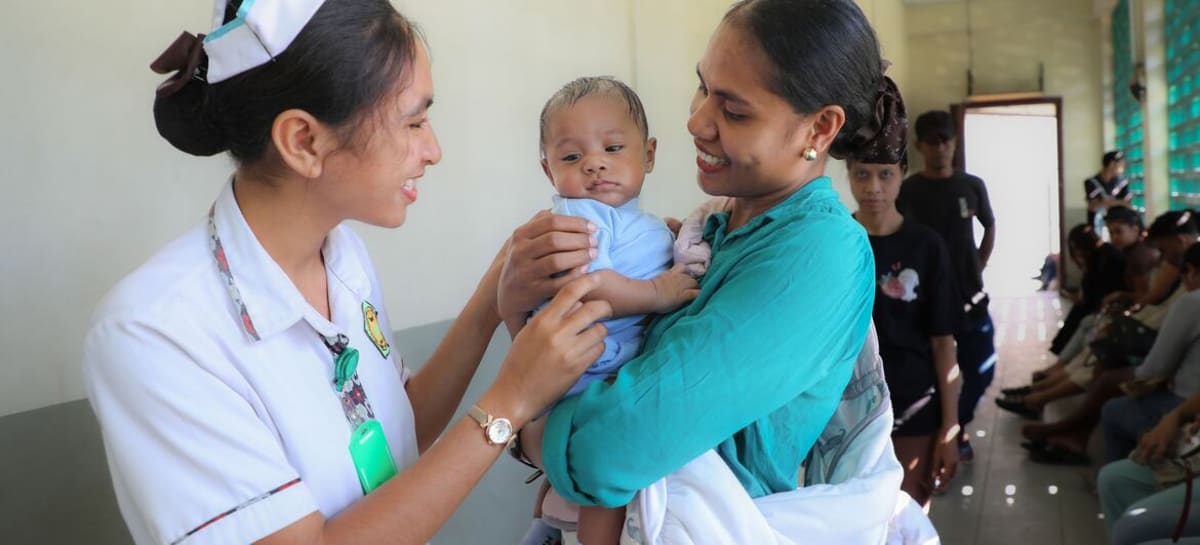
During the COVID pandemic, vaccine inequality cost an estimated 600,000 preventable deaths when developing countries couldn't meet World Health Organization vaccination targets. One UN official called the failure "tragic and profoundly immoral."
Why This Inspires
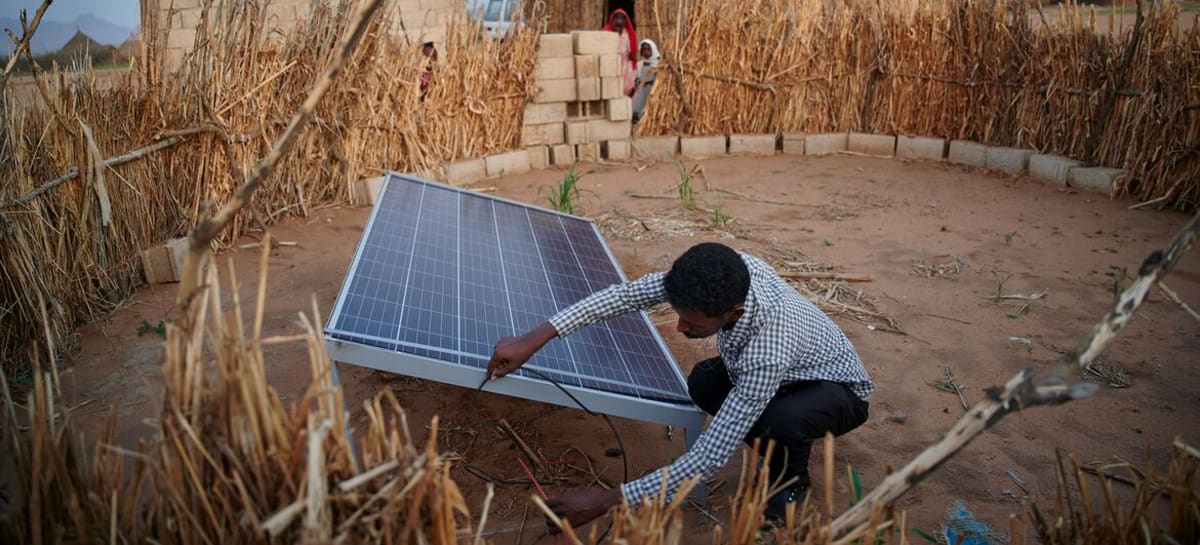
The concept challenges a fundamental assumption about progress. Development isn't something wealthy nations give to poor ones. It's about enabling communities to control their own resources and futures.
The principles are straightforward: people should participate in decisions affecting them, benefit fairly from growth, and maintain sovereignty over their natural resources. No exclusion based on race, gender, language, or religion.
On September 23, world leaders will gather at the UN in New York to mark four decades since the original declaration. They'll assess what's worked and chart a path forward for reducing poverty and expanding opportunity globally.
Climate shocks, conflict, and mass migration are colliding with existing inequalities, making fair development more urgent than ever. A system where everyone has a genuine stake in progress can help reverse worsening poverty trends.
The barriers remain significant: countries disagree on binding obligations, international cooperation is weak, and political will wavers. But the alternative is a world where your zip code determines your lifespan, earnings, and voice in society.
Forty years in, the UN is betting that equity still matters more than charity.
More Images
Based on reporting by Google News - Economic Growth
This story was written by BrightWire based on verified news reports.
Spread the positivity!
Share this good news with someone who needs it
%2Ffile%2Fattachments%2F2997%2F10664384_632762.jpg)