UNC Trial Tests One Blood Draw for Multiple Cancers
North Carolina researchers are recruiting 2,000 volunteers for a groundbreaking study that could revolutionize cancer detection. A simple blood test might soon catch deadly cancers years before symptoms appear.
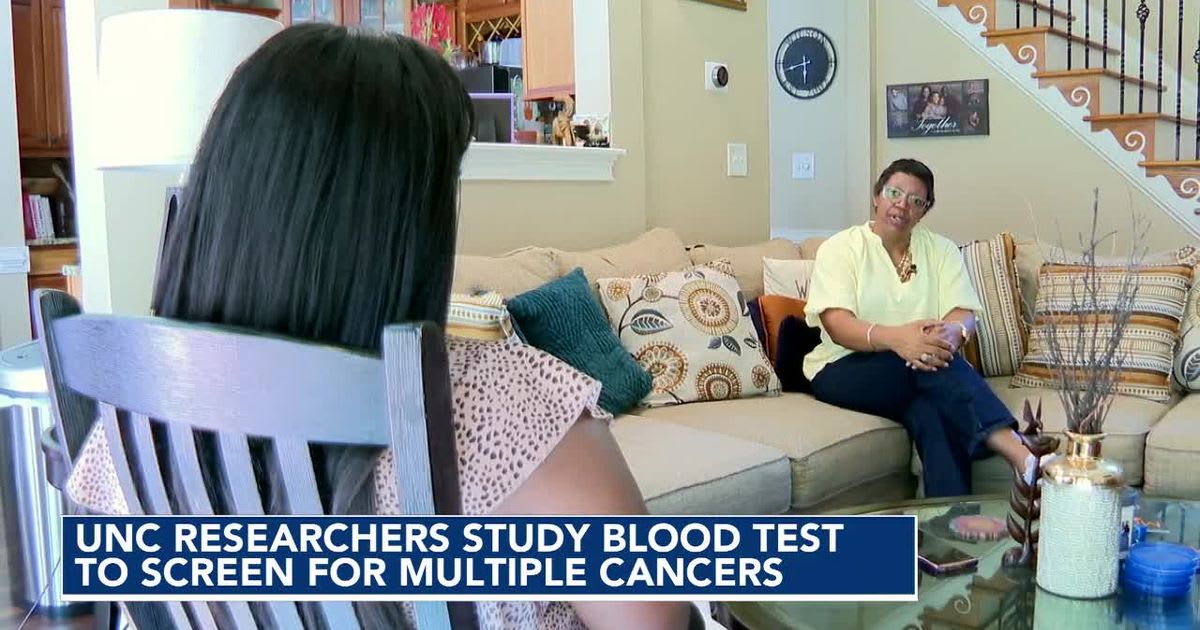
After 30 years helping run clinical trials for others, Marla Mills-Wilson became a cancer patient herself at 54. The Youngsville mom was diagnosed with pancreatic cancer, the same disease that took her mother's life.
Despite sharing her family history at every doctor visit and staying current on checkups, traditional screening didn't catch her cancer. An unusual symptom did: amber-colored urine that led to emergency room tests revealing stage two pancreatic cancer wrapped around blood vessels.
Today, after successful treatment through a UNC clinical trial, Mills-Wilson is encouraging others to join research that could transform how we find cancer. UNC Lineberger Comprehensive Cancer Center is recruiting 2,000 North Carolinians for the Vanguard Study, a national trial testing whether one blood draw could detect multiple cancers at once.
Right now, doctors have reliable screening tests for only four cancer types: lung, breast, colorectal and cervical. Deadly cancers like pancreatic, ovarian and stomach have no routine early detection methods, meaning they're often found too late.
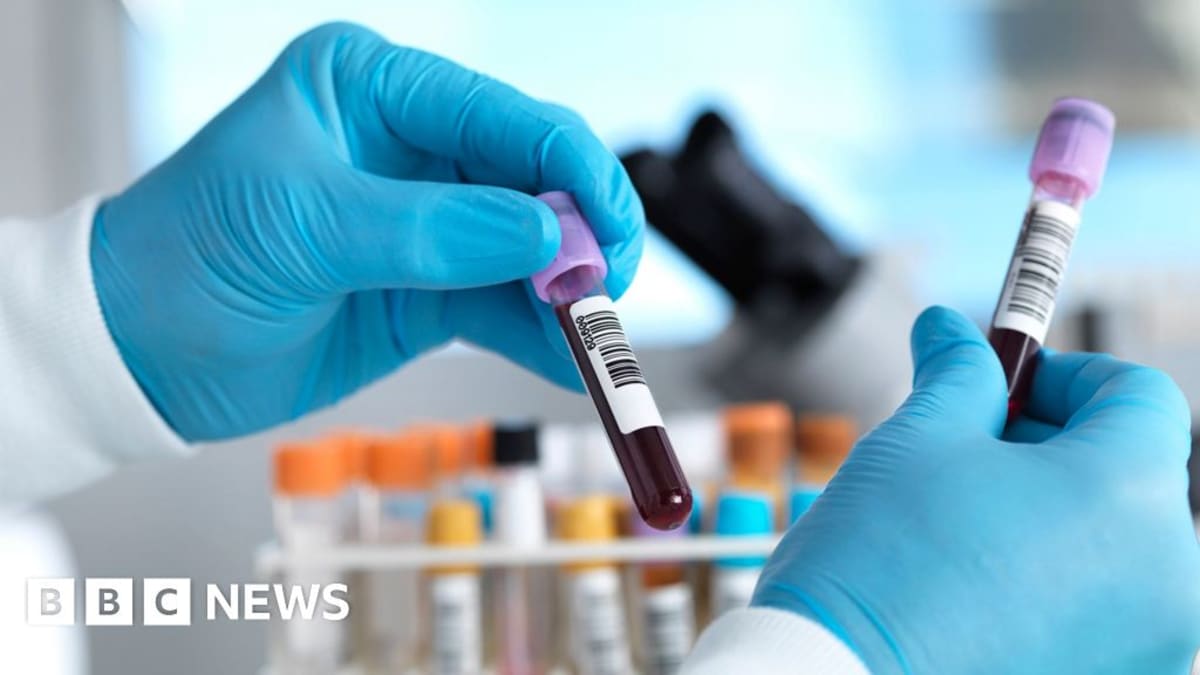
Dr. Carrie Lee, chief medical officer for clinical research at UNC Lineberger, explains the study is evaluating multi-cancer detection assays. These blood tests search for signals from several cancer types simultaneously, rather than screening for just one.
"What's really cool about them is that they are blood-based," Lee said. "A tube of blood that can be very easily drawn is then used to screen for multiple cancers at once."
The trial randomly assigns participants to three groups. Two receive different multi-cancer detection tests, while the third serves as a control. Anyone with a positive cancer signal gets immediate notification so they can pursue additional testing with their doctor.
Why This Inspires
This study represents hope for catching the cancers that slip through our current screening systems. For families like Mills-Wilson's, where cancer runs through generations, the possibility of detecting it before symptoms appear could save countless lives.
The technology turns what once required multiple appointments, scans and procedures into a simple blood draw during your annual physical. It's the kind of medical breakthrough that could make early detection accessible to everyone, regardless of their family history or symptoms.
Mills-Wilson's journey from trial coordinator to patient to advocate shows the power of medical research. After her tumor shrank enough for surgery following six months of chemotherapy, she's now cancer-free and determined to help others benefit from clinical trials.
UNC Lineberger is one of nine research hubs nationwide participating in this National Cancer Institute-sponsored study. The goal extends beyond just testing the technology to understanding what happens after a positive result and how often these tests accurately predict cancer.
For people worried about cancers that currently have no screening options, this trial offers something precious: the chance to catch cancer early when treatment works best.
Based on reporting by Google News - Health
This story was written by BrightWire based on verified news reports.
Spread the positivity!
Share this good news with someone who needs it