Underwater Data Centers Could Cool AI's Energy Problem
Scientists tested servers on the ocean floor and discovered they lasted eight times longer than those on land. The breakthrough could help solve AI's growing energy crisis while protecting our freshwater supplies.
What if the solution to AI's massive energy problem was sitting right under the ocean's surface?
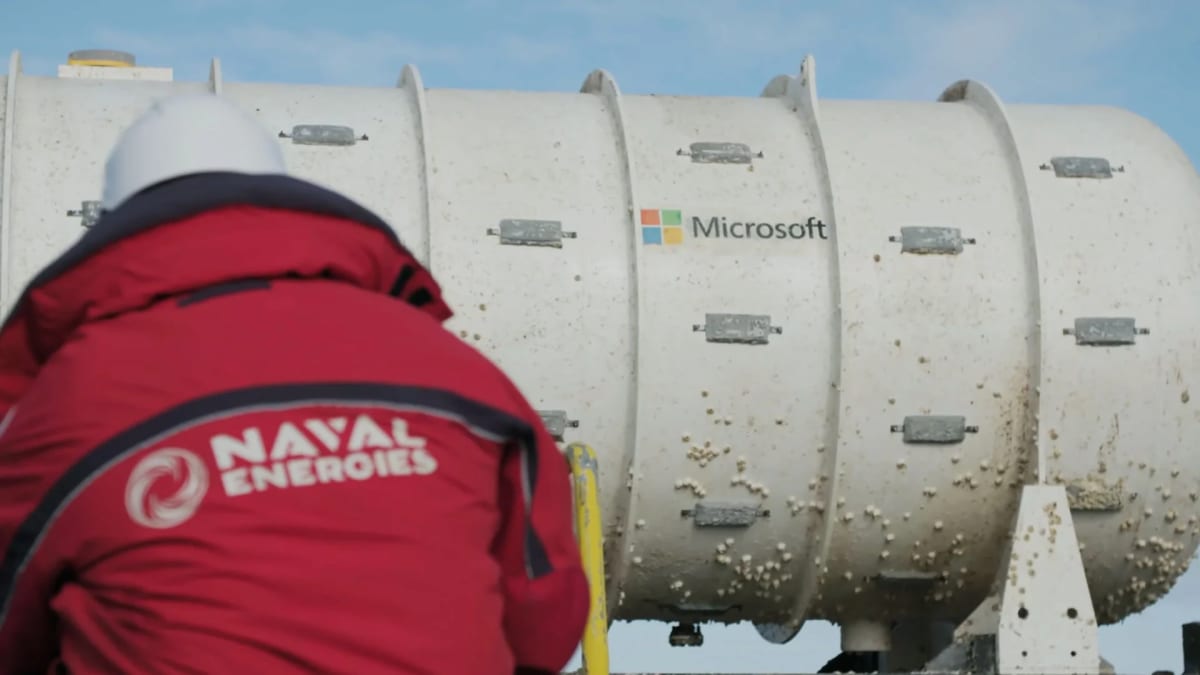
Between 2018 and 2020, Microsoft sank 864 servers to the seafloor near Scotland's Orkney Islands in a bold experiment. The team wanted to know if underwater data centers could handle the exploding demand for AI computing power without draining our planet's resources.
The results surprised everyone. Servers submerged in the ocean failed at just one-eighth the rate of traditional data centers on land. Researchers believe the sealed underwater environment protects equipment from oxygen, humidity, and temperature swings that typically wear down computers.
The timing couldn't be better. AI technology is consuming unprecedented amounts of energy and water, pushing companies to find smarter solutions. Traditional data centers gulp down massive quantities of freshwater for cooling and require huge amounts of land.
Underwater facilities offer a compelling alternative. They use seawater for natural cooling instead of freshwater. They take up zero land space. And they could potentially run on renewable ocean energy sources like offshore wind farms.
The Bright Side
This ocean experiment proves that thinking differently about technology infrastructure can lead to breakthrough solutions. While Microsoft ended this specific project in 2024, likely due to concerns about equipment upgrades and environmental regulations, the research opened doors for the entire tech industry.
Other companies are now exploring how to make underwater data centers work at scale. The core discovery remains powerful: servers thrive in stable ocean environments. That knowledge alone could reshape how we build the digital infrastructure supporting AI's future.
The approach also addresses multiple environmental concerns at once. Less freshwater use means more drinking water for communities. No land requirements means preserved green spaces. Natural seawater cooling means lower energy consumption.
Researchers are still working through important questions about marine life protection and maintenance logistics. But the fundamental concept has been proven viable. Equipment can survive and even excel underwater.
The experiment also revealed unexpected benefits beyond just equipment lifespan. The constant ocean temperature eliminated the need for energy-intensive climate control systems. The remote location reduced the human interference that often causes technical failures.
As AI continues growing, solutions like this show we don't have to choose between technological progress and environmental responsibility. Innovation can serve both goals when we're willing to explore unconventional approaches.
The ocean floor might not be the final answer, but it's sparked crucial conversations about sustainable AI infrastructure that will shape solutions for decades to come.
More Images

Based on reporting by Fast Company - Innovation
This story was written by BrightWire based on verified news reports.
Spread the positivity!
Share this good news with someone who needs it