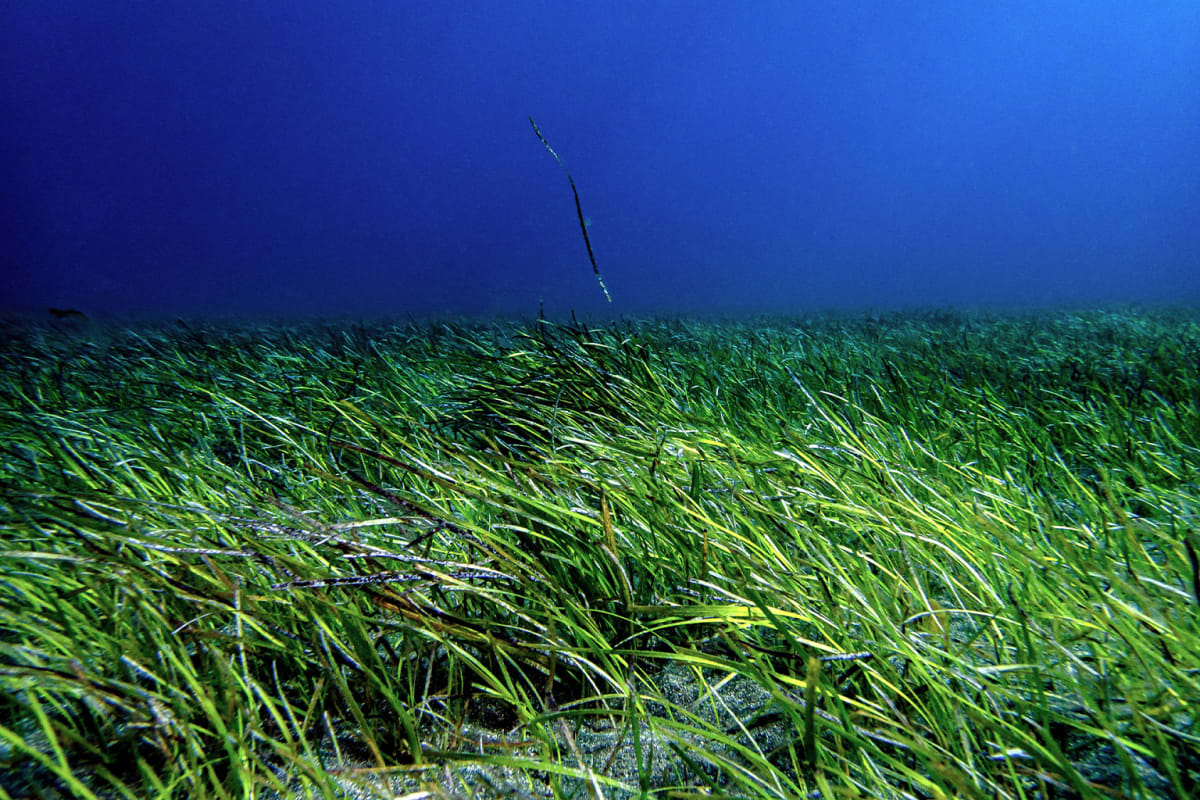
Underwater Meadows Shield Coasts From Storms and Erosion
Seagrass meadows work like invisible bodyguards for coastlines, anchoring sediment and weakening waves before they reach shore. Scientists say protecting these underwater plants could help millions living near vulnerable beaches.
Beneath the surface of coastal waters, vast meadows of seagrass are quietly holding shorelines together against rising seas and stronger storms.
These underwater plants anchor themselves through dense root systems that grip the seabed like an underground net. The meadows slow wave energy before it crashes into beaches, reducing erosion and flooding risks for coastal communities.
Oscar Serrano Gras, a researcher at the Blanes Center for Advanced Studies in Spain, explains that seagrass creates a natural barrier against coastal damage. The leaves create resistance as water flows through them, weakening destructive waves.
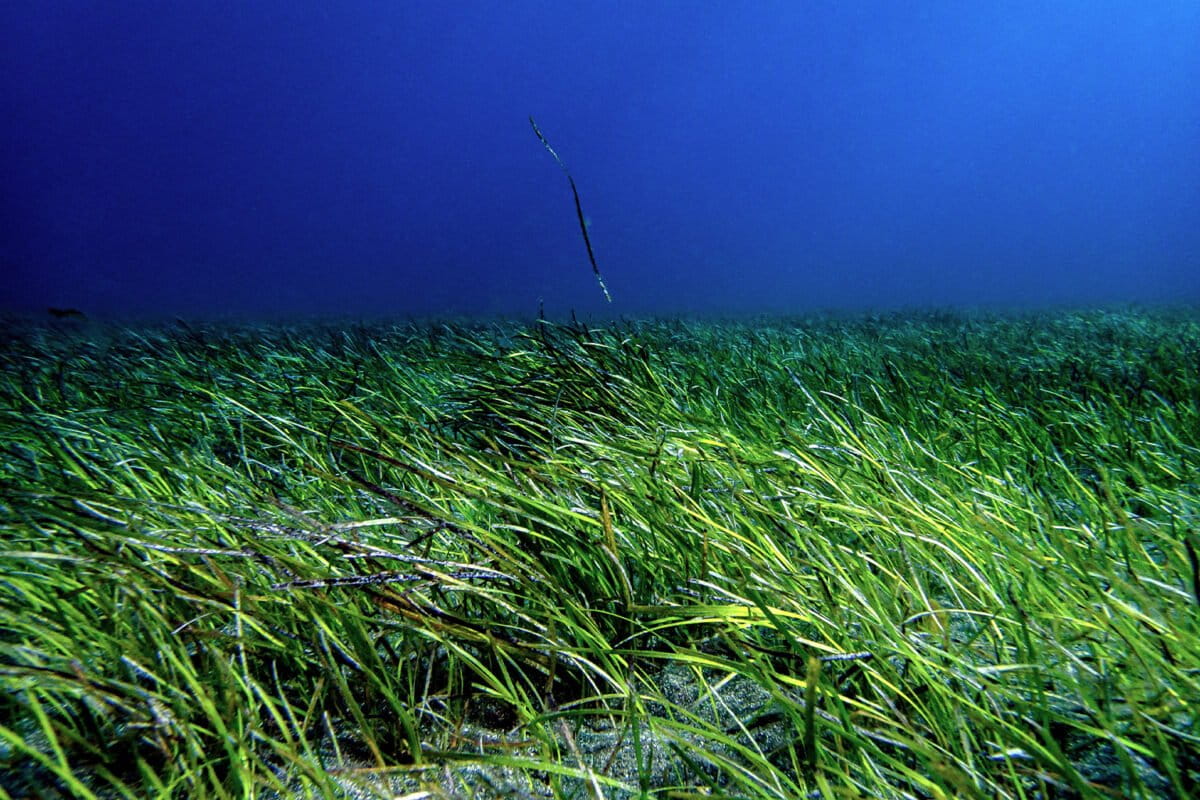
The size of the grass matters. Neptune grass in the Mediterranean, with its broad leaves, blocks waves far more effectively than smaller species like dwarf eelgrass.
Beyond protecting shores, these meadows capture and store huge amounts of carbon dioxide. They also host thriving marine communities whose shells contribute sand to nearby beaches and filter pollutants that would otherwise harm coral reefs.
But about 30% of global seagrass meadows have vanished since the 19th century. Coastal development, dredging, and polluted runoff destroyed many. Now climate change is accelerating the losses through marine heat waves that wipe out entire stretches.
In Australia, recent heat waves killed vast seagrass areas, releasing millions of tons of stored carbon and eliminating feeding grounds for animals like dugongs. A 2024 Nature study found that losing Neptune grass could significantly raise water levels along Mediterranean coasts.
The Ripple Effect
Scientists are expanding restoration efforts, planting hundreds of seeds per square meter in careful trials. New mechanical seeding devices and experiments with heat-tolerant strains show promise for scaling up these projects.
The meadows deliver benefits that engineered seawalls simply cannot match. They build up sediment over time, create habitat for marine life, and improve water quality for entire coastal ecosystems.
Heidi Nepf, an engineering professor at MIT, notes that while seagrass alone cannot replace all coastal defenses, it provides a living layer of protection that strengthens with time. Researchers emphasize that preventing the loss of remaining meadows is the most critical step.
As climate change brings fiercer storms to more coastlines, protecting these quiet underwater guardians could mean safer homes for millions of people living near the sea.
More Images


Based on reporting by Mongabay
This story was written by BrightWire based on verified news reports.
Spread the positivity!
Share this good news with someone who needs it