Underwater Vacuum Wins Top Prize at Paris Inventor Contest
An innovative device that cleans pollution from the ocean floor just won France's prestigious 121-year-old Lépine competition. The aquatic vacuum represents a major step forward in tackling underwater pollution that traditional cleanup methods can't reach.
A breakthrough invention is about to make cleaning our oceans easier than ever before.
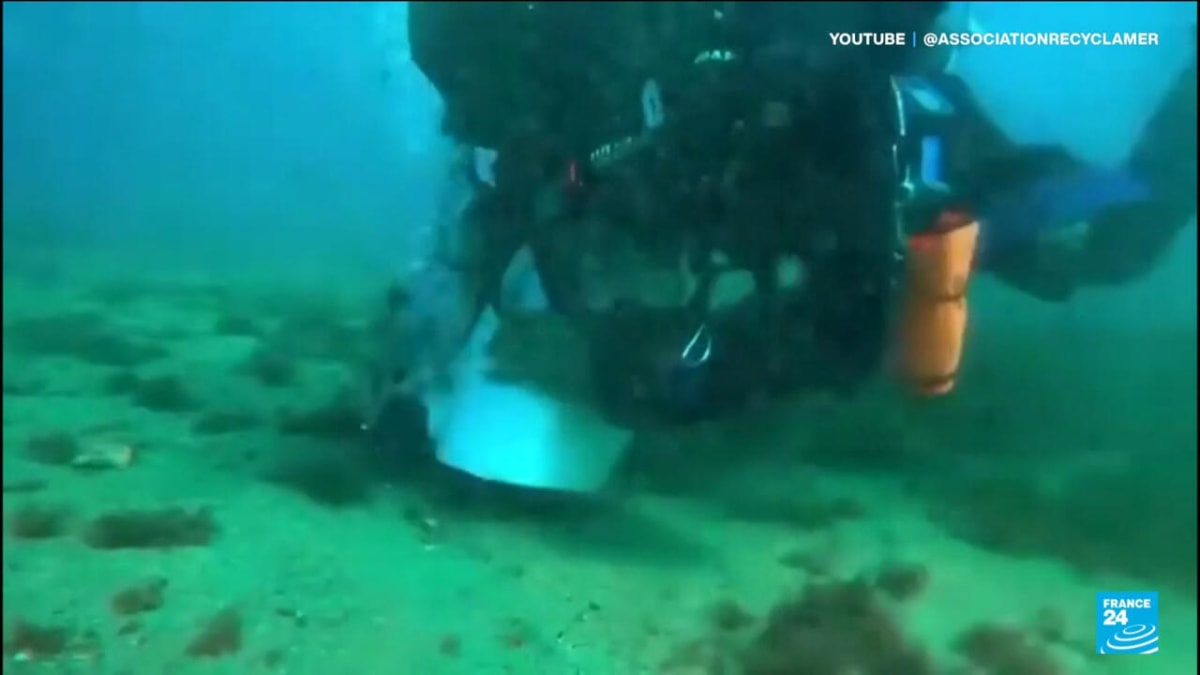
This past weekend in Paris, an underwater vacuum designed to suck up pollution from the ocean floor won first prize at the annual Lépine competition, France's most celebrated inventor showcase. The competition has been spotlighting game-changing innovations for more than 121 years.
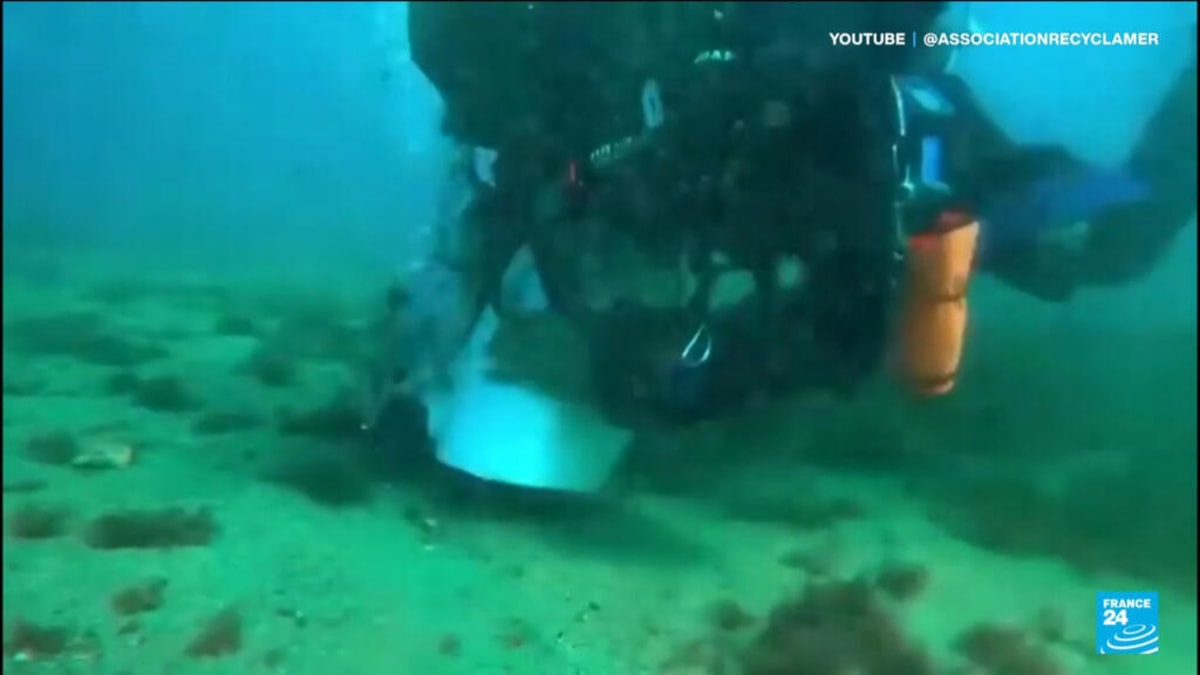
Think of it as a Roomba for the sea. The aquatic hoover tackles a problem that's plagued environmental cleanup efforts for decades: how to remove trash and pollutants that sink to the bottom of our waterways where divers and boats can't efficiently reach them.
The device works beneath the surface to collect debris, microplastics, and other harmful materials that settle on the ocean floor. Unlike surface skimmers or beach cleanup tools, this invention addresses the hidden pollution that damages marine ecosystems from below.
The Lépine competition has a track record of recognizing inventions that change the world. Past winners have included the contact lens, the ballpoint pen, and even the lawn mower. Every year, inventors from across France gather in Paris to present their most promising ideas to judges and the public.
The Ripple Effect
Ocean floor pollution poses one of the biggest threats to marine life that most people never see. When plastic and chemical waste settles on the seabed, it leaches toxins into the water and enters the food chain through bottom-feeding fish and other sea creatures.
Traditional cleanup methods focus on floating debris or shoreline trash, leaving massive amounts of pollution untouched on the ocean floor. This underwater vacuum fills that critical gap in our environmental toolkit.
The winning inventor will now have access to resources, funding, and publicity that could transform their prototype into a widely deployed solution. Coastal communities and marine conservation organizations worldwide could soon have a practical tool for restoring damaged underwater ecosystems.
With millions of tons of plastic entering our oceans each year, innovations like this underwater vacuum give us real hope for reversing the damage.
More Images



Based on reporting by France 24 English
This story was written by BrightWire based on verified news reports.
Spread the positivity!
Share this good news with someone who needs it