Living Plastic Eats Itself in Days, Leaves Zero Waste
Scientists embedded bacteria into plastic that completely devours itself on command in just six days. The breakthrough could finally solve our centuries-long plastic waste problem.
Imagine a water bottle that vanishes when you're done with it, leaving nothing behind. Scientists in Hong Kong just made that possible with plastic that's literally alive.
Researchers at the Chinese University of Hong Kong created a revolutionary material by embedding plastic-eating bacteria directly into the plastic itself. The microbes sleep inside the material until activated by a warm nutrient solution, then wake up and completely consume the plastic within days.
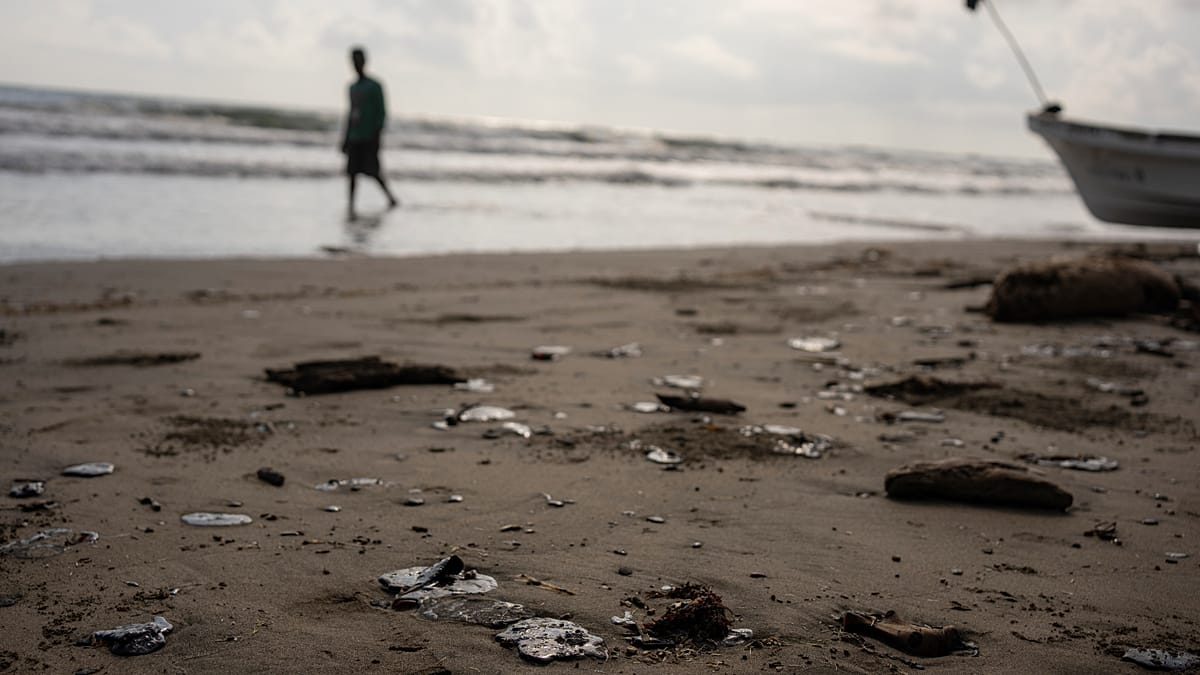
The problem they're solving is staggering. Regular plastics can take up to 1,000 years to decompose, poisoning our planet long after we're gone. Even worse, when they finally do break down, they leave toxic microplastics that contaminate everything from ocean water to our bloodstreams.
Lead researcher Zhuojun Dai and his team asked a brilliant question: What if plastics could break down like natural materials do? They engineered dormant bacterial spores that produce two powerful enzymes working together like molecular scissors. One enzyme cuts long plastic chains at multiple points while the other breaks those pieces into tiny molecules the bacteria can digest.
The breakthrough isn't just about speed. Previous attempts used single enzymes that took much longer and left residue behind. This double enzyme system demolished the test plastic in six days with zero microplastics remaining.
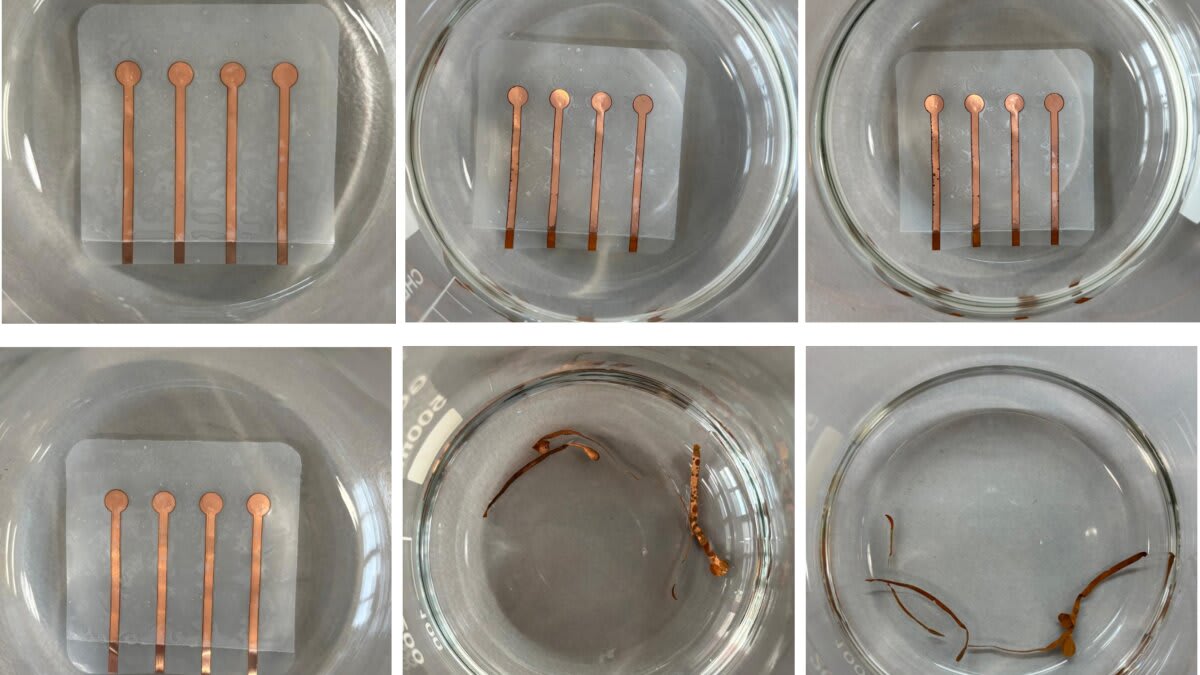
To prove it works in real life, the team built a wearable electrode from their living plastic. After adding the activation solution at 122 degrees Fahrenheit, the device completely disappeared in two weeks.
The plastic doesn't randomly self-destruct. It needs that specific warm nutrient broth to trigger the bacteria. Without it, the material behaves exactly like regular plastic, making it safe for everyday use until you're ready to dispose of it properly.
The Ripple Effect
This discovery could transform how we think about disposable items. Single-use plastics account for nearly half of all plastic waste, creating mountains of trash that will outlive our great-grandchildren. A material that vanishes on command changes everything.
The researchers are already working on the next phase: developing a water-based trigger so the plastic can break down in oceans and rivers where most pollution ends up. They're also adapting the technology for common plastics used in packaging and disposable products.
Right now, the team's living plastic uses a material that already biodegrades naturally in soil and compost. But their engineered bacteria make the process dramatically faster and more complete. The goal is bringing this innovation to the plastics we use most, turning temporary products into truly temporary materials.
For the first time, we might create convenience without consequences that last centuries.
More Images


Based on reporting by New Atlas
This story was written by BrightWire based on verified news reports.
Spread the positivity!
Share this good news with someone who needs it