UNESCO Adds 4 Stunning Geoparks Across Europe
Four new European destinations just earned UNESCO Global Geopark status, protecting geological wonders millions of years in the making. From volcanic craters in Greece to Ireland's only fjord, these sites celebrate Earth's ancient history while supporting local communities.
The landscapes that take our breath away were millions of years in the making, and now four new European sites are getting the recognition they deserve.
UNESCO just designated 12 new Global Geoparks worldwide, including four stunning locations across Europe. These aren't just pretty places. They're living textbooks that tell the story of our planet long before humans arrived, from volcanic eruptions to ice age erosion.
The newest additions span France, Greece, Ireland, and Portugal. Each one showcases geological features so significant they belong to all of humanity, according to UNESCO Director-General Khaled El-Enany.
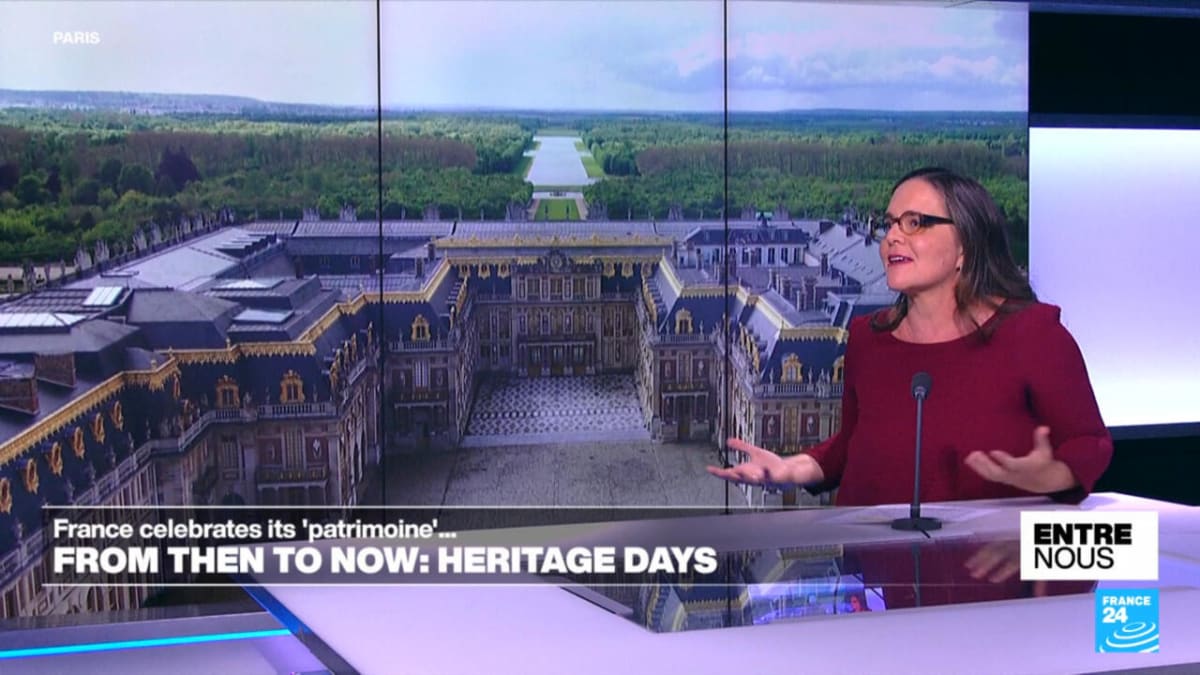
In southern France, Terres d'Hérault covers 112 municipalities along the Hérault River. Visitors can explore red rock formations at Salagou Lake that formed over 250 million years ago, marble quarries, and valleys carved by ancient rivers. The geopark website even offers guided hiking routes to make exploring easier.
The Greek island of Nisyros boasts one of the Aegean's best-preserved volcanic craters. The island's volcanic system is among Greece's youngest and most active, creating dramatic lava domes and Europe's largest hydrothermal craters. The volcanic influence shows up in everyday life too, from stone architecture in villages like Nikía to rare plant species that thrive in the mineral-rich soil.
Ireland's Joyce Country and Western Lakes Geopark tells the story of mountain-building events from 450 million years ago. Hikers can explore Killary Harbour, Ireland's only fjord, or the Cong Woods karst landscape with its incredibly fast-flowing springs. Audio guides explain the geology as you walk, and visitors can experience traditional Irish culture in Gaeltacht areas where Irish is still spoken daily.
Portugal's Algarvensis Geopark offers a different side of the beach-famous Algarve region. Visitors can see tsunami deposits from the devastating 1755 Lisbon Earthquake, explore Portugal's deepest public access point at the Loulé Salt Mine, and discover fossils dating back millions of years at Evaristo Beach.
The Ripple Effect
The geopark designation does more than protect rocks and fossils. It strengthens local communities by creating sustainable tourism that values geological heritage alongside cultural traditions. In Portugal, organizers hope the new status will direct tourists away from crowded beaches toward inland villages, supporting local artisans and food producers.
These sites join 241 Global Geoparks across 51 countries, all committed to advancing science education and building community resilience. Every canyon, fossil, and rock formation now has a platform to share its ancient story with curious travelers.
Four continents worth exploring, all within a few hours' flight across Europe.
More Images


Based on reporting by Euronews
This story was written by BrightWire based on verified news reports.
Spread the positivity!
Share this good news with someone who needs it