UNICEF Reaches 3,400 Cut Off By Conflict in South Sudan
After months without help, families trapped by fighting in South Sudan's Jonglei state finally received food, medicine, and clean water. Teams screened over 1,600 children for malnutrition and treated hundreds who desperately needed care.
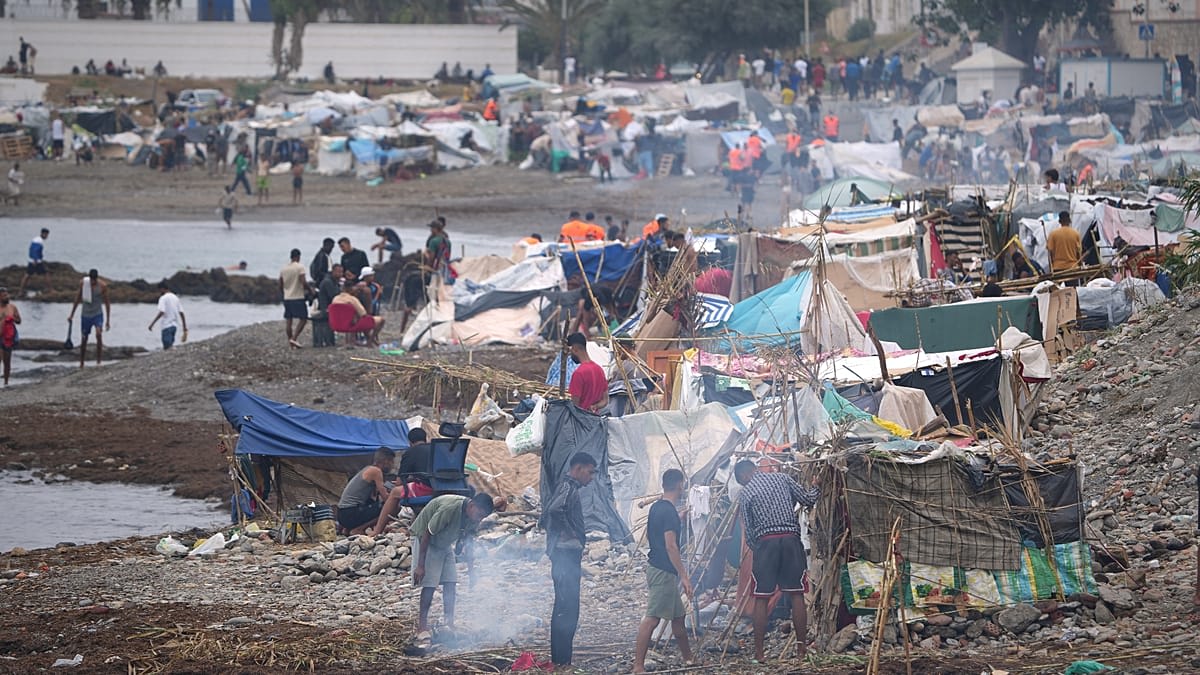
For families in South Sudan's Jonglei state, help arrived after months of isolation brought on by armed conflict that cut off entire communities from the outside world.
UNICEF and partner organizations broke through access barriers to reach isolated towns in Akobo and Nyirol counties, delivering more than eight tonnes of lifesaving supplies to families who hadn't seen humanitarian aid since fighting escalated in January. The conflict forced health facilities to close and made routes too dangerous to travel.
Teams brought therapeutic food for malnourished children, water treatment kits, hygiene supplies, and critical medicines. They screened 1,666 children under five years old for acute malnutrition, immediately admitting 146 for lifesaving treatment.
Another 602 children with moderate malnutrition were referred for follow-up care. Medical teams treated 1,241 patients for common illnesses like malaria, respiratory infections, and waterborne diseases that spread when clean water becomes scarce.
The statistics reveal how dire conditions had become. Surveys found that global acute malnutrition rates in Akobo West exceed 40 percent, among the highest in the entire country. Without access to healthcare, safe water, and nutrition support, preventable childhood illnesses were taking hold.
Teams distributed water filters and purification supplies to 1,200 families and provided dignity kits to 200 women and girls. More than 2,000 people learned about hygiene practices and disease prevention that can protect their families.
The Ripple Effect
This emergency response demonstrates what becomes possible when humanitarian teams can safely reach isolated communities. The 331 caregivers who received counseling on infant nutrition can now share that knowledge with neighbors and extended family members.
Restored access to clean water doesn't just prevent disease for the families who received filters. It means fewer outbreaks that can spread through densely populated areas where displaced families have gathered.
The medical care provided treats immediate illness while rebuilding trust that help hasn't been forgotten. Children receiving treatment for malnutrition today have the chance to grow stronger and healthier tomorrow.
UNICEF Representative Noala Skinner acknowledged that operating conditions remain challenging but emphasized the critical importance of maintaining access. For many families, this was their first assistance in months, showing how quickly humanitarian crises deepen when access gets blocked.
The response continues as teams work to maintain supply lines and reach more families still waiting for help.
Based on reporting by UN News
This story was written by BrightWire based on verified news reports.
Spread the positivity!
Share this good news with someone who needs it