University Researcher Builds Zero-Carbon Office from Straw
A sustainability expert in Sheffield is proving that ancient building materials can solve modern climate problems. His garden office made from straw bales will save 20 tonnes of carbon emissions compared to conventional construction.
When Stuart Walker looked at the rotting shed in his garden, he saw an opportunity to build something that could help cool the planet instead of warming it.
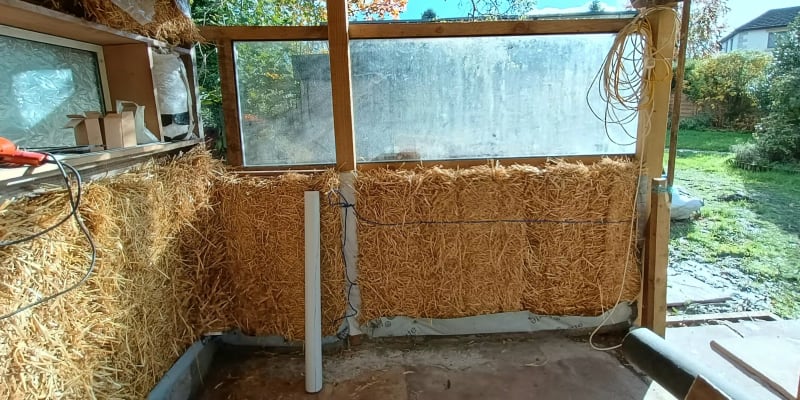
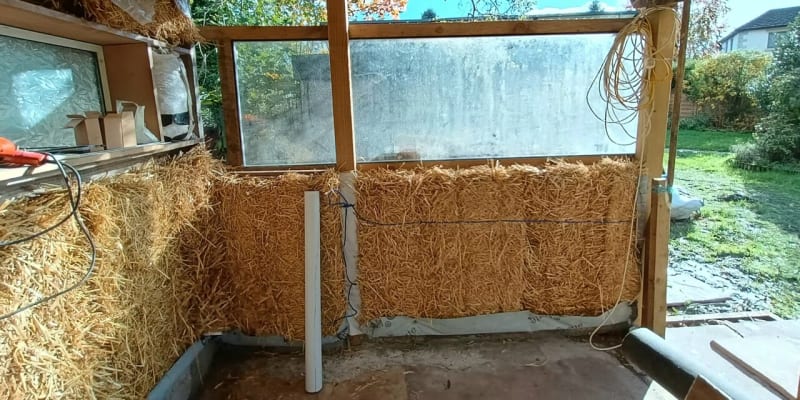
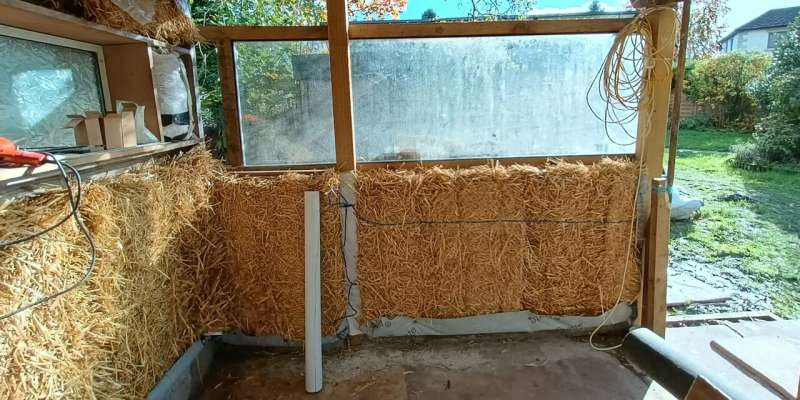
Walker, sustainability assessment lead at Sheffield University's Grantham Centre for Sustainable Futures, rebuilt his garden office using straw bales. The material has been used in construction for centuries but rarely appears in modern buildings, despite its incredible environmental benefits.
Straw is a natural insulator with walls 40cm thick that keep spaces warm without energy-guzzling heaters. Even better, the straw absorbed carbon dioxide while growing, turning the entire building into a carbon storage unit. That carbon stays locked away for the building's lifetime and can return to soil when the structure eventually comes down.
The project builds on Walker's earlier work designing a low-carbon cold room in Kenya. That solar-powered facility at Homa Bay market helps farmers store produce longer, improving incomes and reducing food waste. The success showed him that straw could replace environmentally harmful materials like expanded polystyrene without sacrificing performance.
Straw bale construction dates back to the 1800s when American farmers used mechanical balers to create building blocks in areas lacking timber and stone. Some of those original structures still stand today. A revival in the 1970s brought warm, comfortable straw homes back to the US, inspiring UK builders to adopt the method in the 1990s.
The buildings meet all fire safety, planning and building regulations. Compressed straw bales resist fire because they lack the oxygen needed for combustion. Proper design with overhanging roofs and protected foundations keeps moisture out. Some straw buildings even achieve Passivhaus standards, the gold standard for energy efficiency.
Walker sourced reclaimed timber from the original shed for exterior cladding and bought secondhand roof materials, windows, doors and floor insulation. For interior walls, he's using cob, a traditional mixture of clay, water, sand and chopped straw dug from his own garden. He applies it by hand in what he describes as an incredibly messy but satisfying process.
The Bright Side: Walker's shed will produce 20 tonnes fewer greenhouse gas emissions over its lifetime compared to conventional foam insulation and plasterboard construction. That's equivalent to taking four cars off the road for a year. People living in straw bale homes report feeling more connected to their spaces, a concept called biophilic design that suggests natural materials positively impact wellbeing.
Walker looks forward to experiencing that connection when he finally sits inside his finished office, knowing every wall helps fight climate change.
More Images


Based on reporting by Phys.org - Technology
This story was written by BrightWire based on verified news reports.
Spread the positivity!
Share this good news with someone who needs it