US Adds 3,000+ EV Fast Chargers in Q1 Despite Sales Dip
America installed over 3,000 new electric vehicle fast charging ports in the first quarter of 2025, matching last year's pace even as EV sales dropped 27%. Charging networks are building for the future with more reliable, high-powered stations ready for the next wave of electric drivers.
America's electric vehicle charging network just got a major boost, proving that infrastructure builders are playing the long game even when sales hit a rough patch.
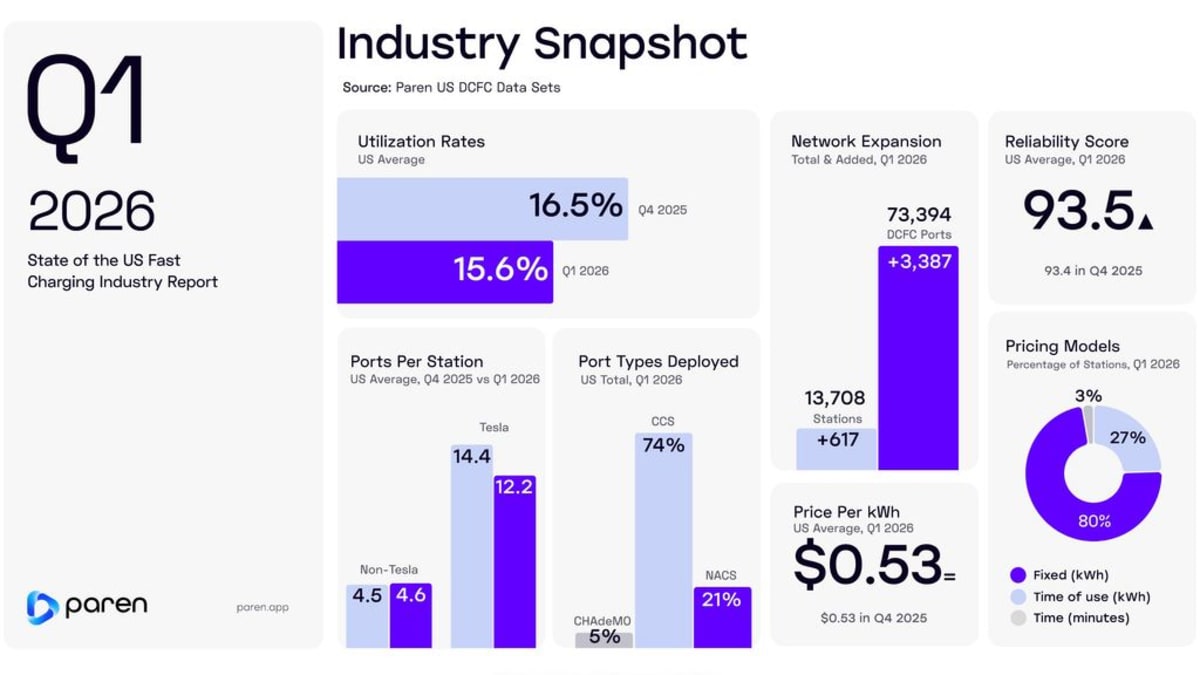
Charging companies installed 3,387 new DC fast charging ports across the United States between January and March, according to Paren, a platform that monitors over 95% of the nation's fast charging network. That matches the same period last year, showing steady commitment despite a 27% drop in EV sales during the quarter.
The new additions brought America's total to 73,394 fast charging ports spread across 13,708 stations. But what's happening beneath those numbers tells an even better story about where the industry is headed.
Instead of spreading stations thin across new locations, charging operators are doubling down on making existing sites better. They're adding more chargers to stations that already work, creating true fast charging hubs where multiple vehicles can power up simultaneously.
The new chargers pack serious punch too. Most fresh installations now deliver over 250 kilowatts of power, meaning faster charging times for drivers grabbing a coffee or stretching their legs on road trips.
Reliability has jumped into the 90-95% range on average, up from 85-92% last year. That's a huge win for anyone who's ever arrived at a broken charger with a nearly empty battery.
Pricing has held steady between $0.45 and $0.55 per kilowatt-hour at most stations, giving drivers predictable costs even as gas prices climb. These projects take months or years to complete, so operators can't pivot quickly based on quarterly sales numbers.
The Bright Side
The current slowdown in EV sales hasn't dampened infrastructure investment, and that's exactly what the market needs. Millions of electric vehicles already on American roads deserve reliable places to charge, and charging companies are building for those drivers plus the wave of new EV owners coming in future years.
Tesla remains the biggest player but installed 880 new ports, contributing just 26% of Q1's total growth compared to over 40% at its peak last year. That means other networks are stepping up, creating healthy competition that benefits all drivers.
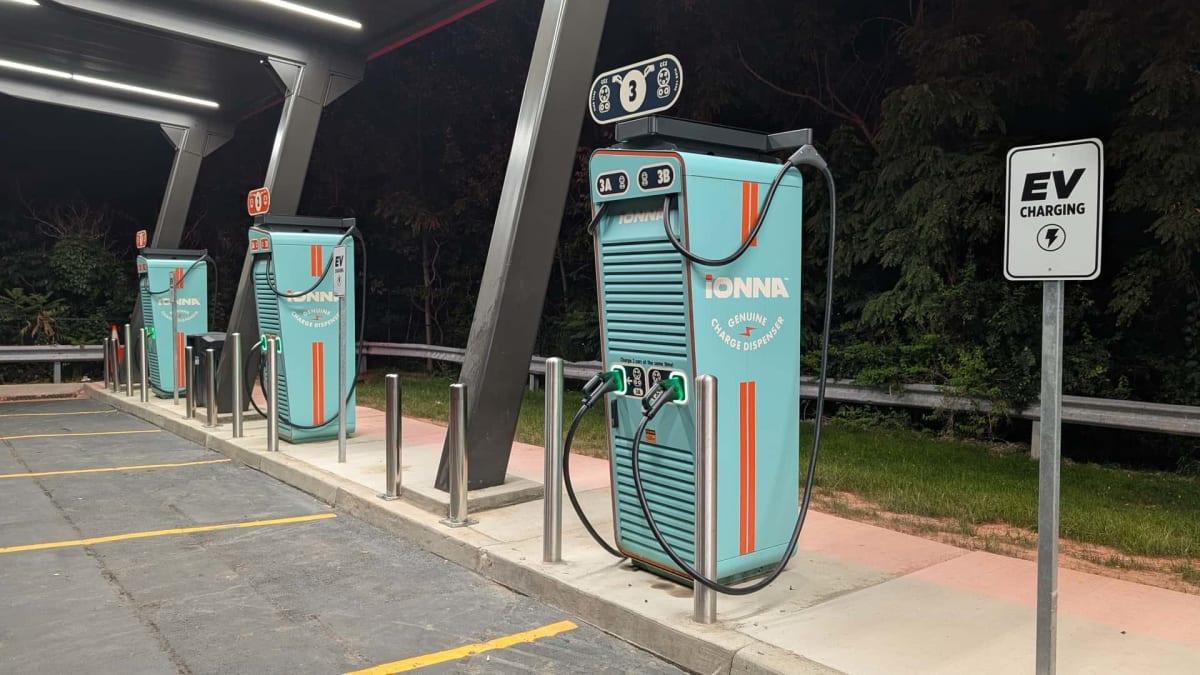
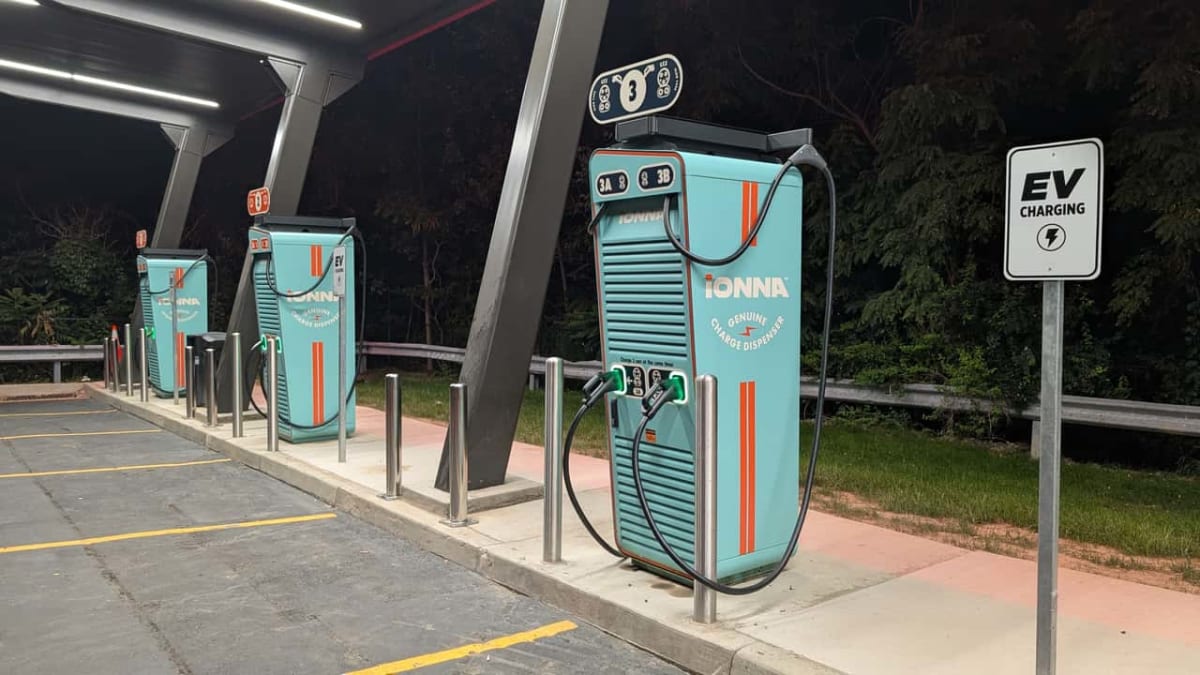
Ionna, backed by multiple major automakers, claimed second place with 278 new ports, while Red E added 264. The diversity of players building infrastructure means no single company controls the future of electric transportation.
Even the connector types tell a story of transition. Non-Tesla networks installed 2,102 CCS1 connectors alongside 606 NACS ports, reflecting both today's fleet and tomorrow's vehicles rolling into dealerships with Tesla's plug standard.
The infrastructure is being built for the electric future that's still coming, just on a more realistic timeline than some predicted.
More Images

Based on reporting by Google News - Electric Vehicle
This story was written by BrightWire based on verified news reports.
Spread the positivity!
Share this good news with someone who needs it