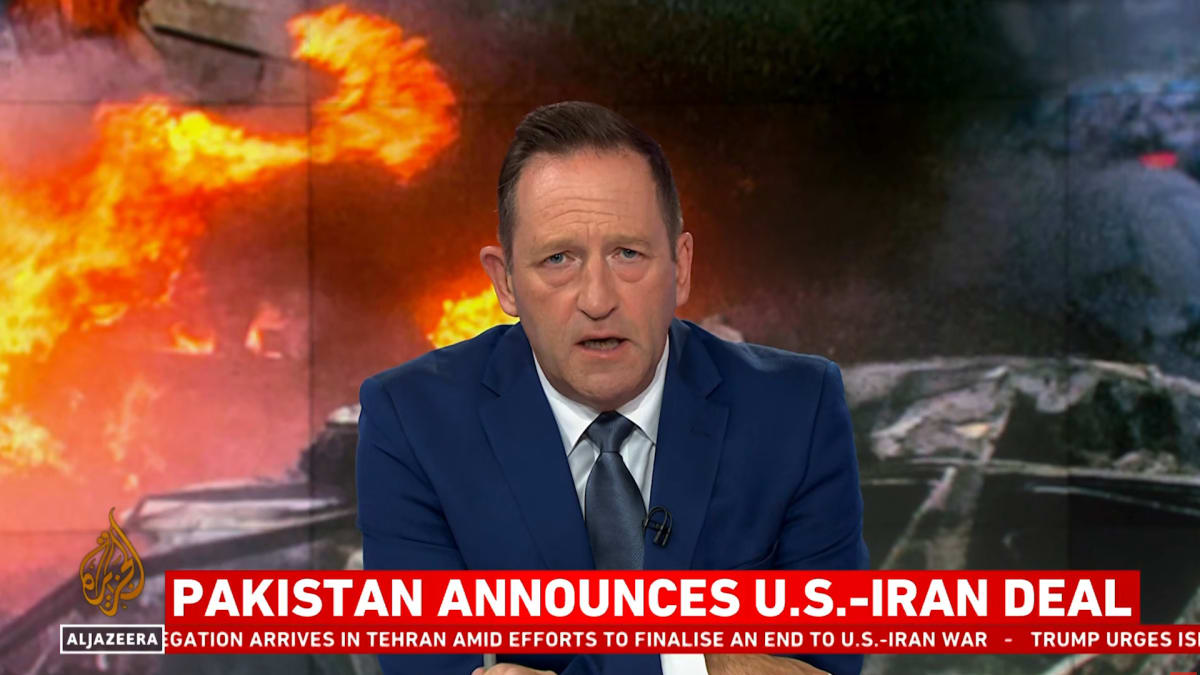
US and Iran Reach Ceasefire Deal After Months of Conflict
President Trump announced a ceasefire agreement with Iran that will end the blockade and reopen the Strait of Hormuz. The deal, brokered with help from Pakistan and Qatar, will be signed Friday.
After months of escalating tensions, the United States and Iran have reached a ceasefire agreement that promises to bring stability back to one of the world's most strategic waterways.
President Donald Trump confirmed the deal on June 14, 2026, announcing an immediate end to the US blockade of Iranian ports. Iran, Pakistan, and Qatar all verified that the agreement had been finalized and would be officially signed on Friday.
The ceasefire will reopen the Strait of Hormuz, a critical shipping lane that nearly one-fifth of the world's oil passes through daily. The closure had disrupted global trade and raised fears of broader conflict in the Middle East.
Pakistan and Qatar played crucial roles as mediators, helping both nations navigate difficult negotiations toward peace. Their diplomatic efforts created space for dialogue when direct talks seemed impossible.
The agreement addresses core concerns from both sides while establishing clear terms for ending hostilities. Details of the full text will be released when leaders gather for the official signing ceremony.
The Ripple Effect
This ceasefire reaches far beyond two nations finding common ground. Families separated by travel restrictions will reunite, ships carrying essential goods can safely navigate international waters again, and markets already show signs of stabilizing.
Regional neighbors watching nervously from the sidelines can now breathe easier. The deal demonstrates that even deeply entrenched conflicts can find diplomatic solutions when enough countries commit to making peace possible.
Global shipping companies are already planning routes through the newly accessible strait. Energy markets responded positively to the news, with analysts predicting lower costs for consumers worldwide as supply chains normalize.
The framework established by this agreement could serve as a template for resolving other regional disputes. Diplomats involved say the process proved that patient negotiation, even during active conflict, can produce results that satisfy core interests on multiple sides.
Friday's signing ceremony will mark the official beginning of a new chapter. For now, the world watches hopefully as two longtime adversaries choose cooperation over confrontation.
Based on reporting by Al Jazeera English
This story was written by BrightWire based on verified news reports.
Spread the positivity!
Share this good news with someone who needs it