US and Iran Sign Deal to Reopen Strait of Hormuz
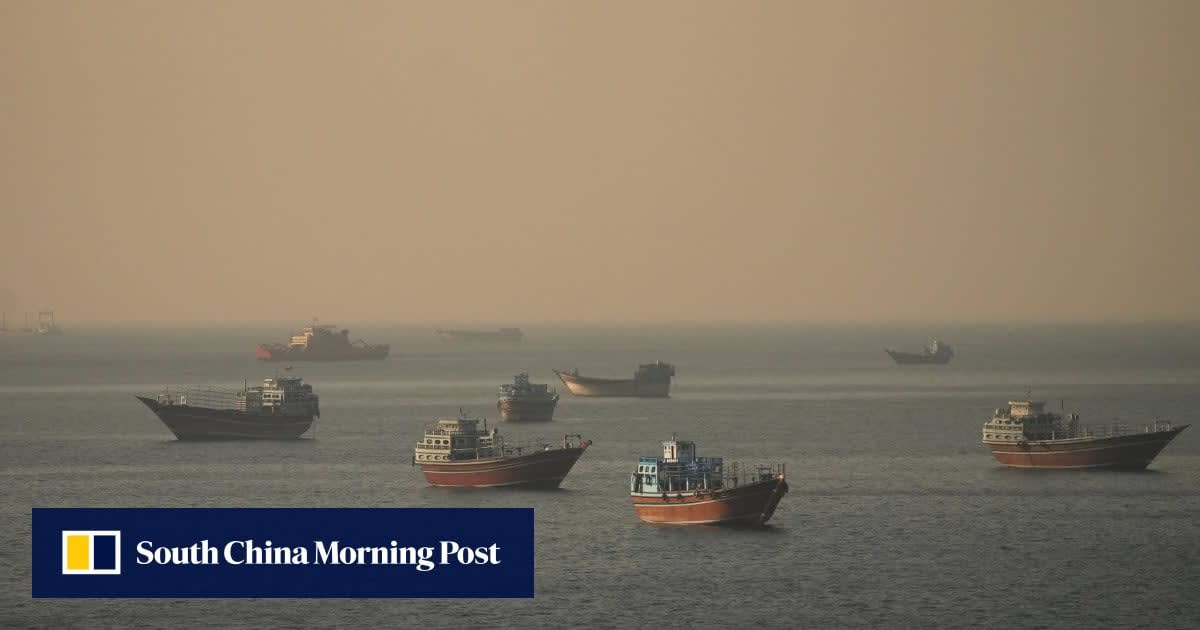
After months of blockades and tension, the United States and Iran have electronically signed an agreement to reopen the Strait of Hormuz and end the conflict that's disrupted global shipping. The waterway, which carries nearly a third of the world's seaborne oil, is already partially open and will be fully operational by Friday.
One of the world's most critical shipping lanes is opening back up, bringing relief to global markets and ending a standoff that threatened energy supplies worldwide.
President Donald Trump and Iranian Parliament Speaker Mohammad Bagher Ghalibaf electronically signed a memorandum of understanding Monday to formally reopen the Strait of Hormuz and end the American blockade of Iranian ports. The narrow waterway between Iran and Oman serves as the gateway for nearly one-third of all oil transported by sea.
Trump personally signed the document to "show his dedication to the process and dedication to seeing this through to a successful resolution," according to a senior US official. Vice President J.D. Vance also signed on behalf of the United States.
The deal came together with help from an unexpected mediator. Pakistani Prime Minister Shehbaz Sharif worked alongside US officials to broker the agreement, which both leaders announced on social media Sunday.
Speaking to reporters during a meeting with French President Emmanuel Macron in Evian, Trump confirmed the Strait was already partially open. He said it would be "completely open" by Friday, when leaders gather in Switzerland for the formal signing ceremony.
The Ripple Effect
The reopening means more than just diplomatic progress between longtime adversaries. Oil prices have already begun dropping as markets anticipate the return of normal shipping traffic through the vital waterway.
Countries throughout Asia that depend on Middle Eastern energy imports are watching closely as tankers prepare to resume regular routes. The resolution removes a major source of uncertainty that's hung over global energy markets for months.
While the Trump administration hasn't released full details of the agreement yet, the commitment from both sides signals a meaningful step toward stability in a region that's seen decades of tension.
Friday's ceremony in Switzerland will mark the official end to a conflict that disrupted commerce and raised fears of broader escalation.
More Images

Based on reporting by South China Morning Post
This story was written by BrightWire based on verified news reports.
Spread the positivity!
Share this good news with someone who needs it