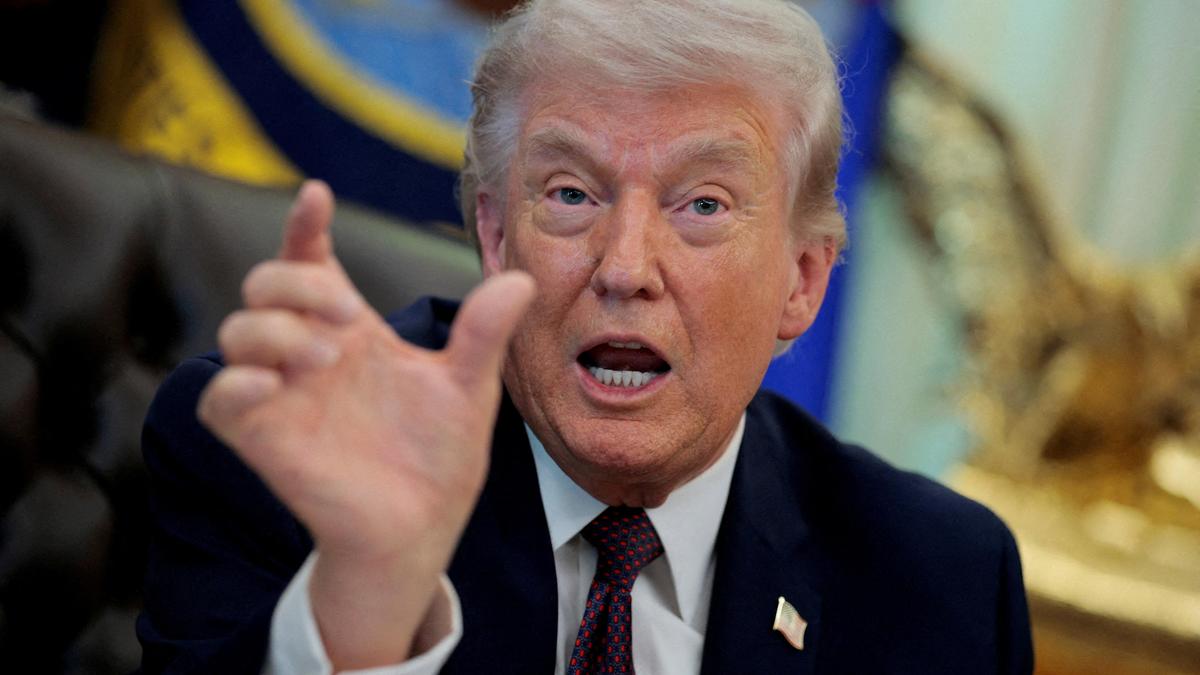
U.S. and Iran Sign Historic Peace Deal, End 3-Month War
After more than three months of conflict that disrupted global oil supplies and threatened regional stability, the United States and Iran have agreed to an immediate and permanent peace deal. The agreement, brokered by Pakistan and set to be signed Friday in Switzerland, will reopen the Strait of Hormuz and bring relief to energy markets worldwide.
The war that gripped West Asia for three months is finally over, and the world just took a collective sigh of relief.
The United States and Iran reached a historic peace agreement on June 14, 2026, ending military operations across all fronts including Lebanon. President Donald Trump confirmed the deal on his 80th birthday, announcing it would immediately reopen the Strait of Hormuz and lift the U.S. naval blockade on Iranian ports.
Pakistan served as the mediator for the negotiations, helping bridge differences between Washington and Tehran. The official signing ceremony is scheduled for Friday, June 19, in Switzerland.
The Strait of Hormuz, a narrow waterway between Iran and Oman, typically carries about one-fifth of the world's oil and gasoline supplies. For over three months, ships loaded with crude oil sat stranded in the Persian Gulf, unable to safely navigate the contested waters.
Global markets responded instantly to the news. Oil prices dropped more than 4% on Monday, with U.S. benchmark West Texas Intermediate falling to $80.89 per barrel. Asian stock markets surged, with Japan's Nikkei 225 jumping nearly 5% and South Korea's Kospi index soaring over 5.5%.
The Ripple Effect
The peace agreement delivers particularly good news for energy-importing nations like India, one of the world's largest crude importers. The reopening of the strait will ease concerns over oil supplies, lower shipping costs, and reduce inflationary pressure on everyday consumers.
Energy experts caution that relief won't happen overnight. It will likely take months before energy companies can fully resume operations and meet global demand, as the shipping and refining process takes time to restart after such a prolonged disruption.
Gold prices rose 2% as investors recalibrated their positions, reaching $4,304 per ounce. The shift reflects growing confidence that reduced tensions will help stabilize inflation and ease pressure on interest rates worldwide.
The deal represents more than just economic relief. Families across West Asia and beyond can now look forward to a future without the daily threat of escalating conflict, while workers in the shipping and energy sectors can return to their jobs safely.
This peace agreement proves that even the most entrenched conflicts can find resolution through persistent diplomacy.
Based on reporting by The Hindu
This story was written by BrightWire based on verified news reports.
Spread the positivity!
Share this good news with someone who needs it