US and Iran Sign Historic Peace Deal in Pakistan
After months of devastating conflict, the United States and Iran have electronically signed a ceasefire extension that reopens crucial shipping lanes and creates space for nuclear negotiations. Pakistan mediated the groundbreaking agreement, which took effect Wednesday.
A war that began in February and threatened global oil supplies just took a major step toward lasting peace.
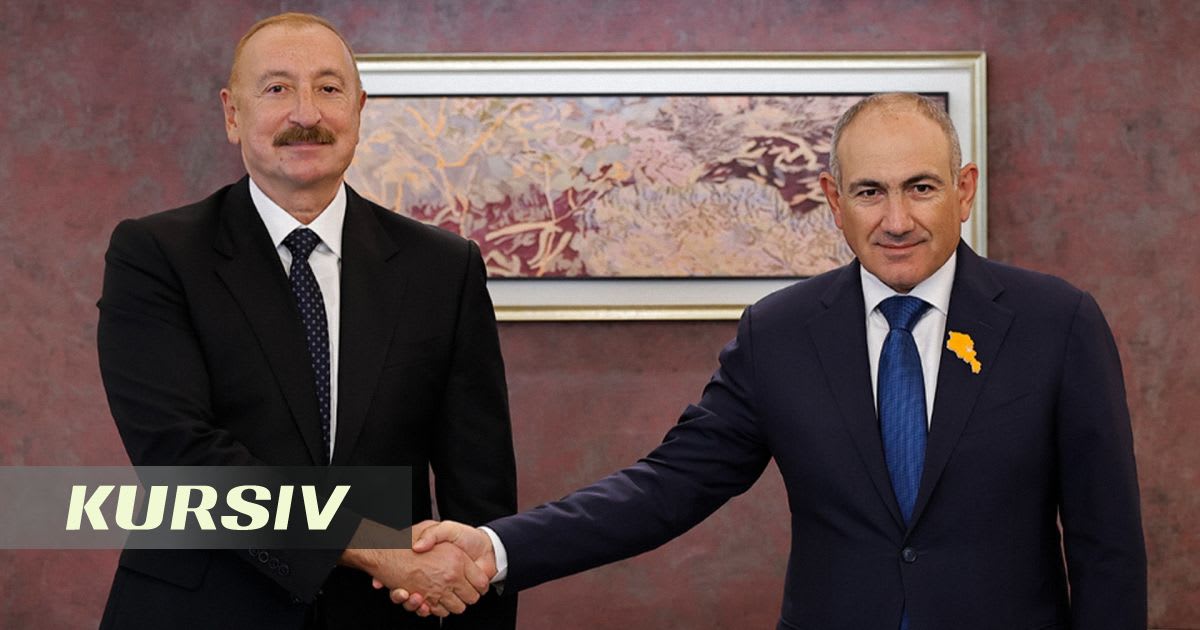
US President Donald Trump and Iranian President Masoud Pezeshkian signed the "Islamabad Memorandum of Understanding" on Wednesday, extending their ceasefire for 60 days and reopening the vital Strait of Hormuz to international shipping. Pakistan's Prime Minister Shehbaz Sharif mediated the historic agreement between the two longtime adversaries.
The deal comes after fighting erupted on February 28 when the US and Israel launched strikes against Iran. A temporary ceasefire on April 8 had paused the most intense combat, but this new agreement creates breathing room for deeper negotiations on Iran's nuclear program, US sanctions, and frozen Iranian assets.
"This was not easy," Trump said as he signed the document at Versailles Palace, pausing before putting pen to paper. Iran's Supreme Leader Ayatollah Mojtaba Khamenei approved the deal despite having "a different view," showing remarkable flexibility in pursuit of peace.
The agreement includes Iran's commitment not to develop nuclear weapons and an end to fighting on all fronts. Pakistan and Iran will jointly manage the Strait of Hormuz going forward, ensuring one of the world's most important oil shipping routes stays open for global commerce.
The Ripple Effect
The peace deal's impact reaches far beyond Washington and Tehran. Qatar called it "a renewed affirmation" of choosing diplomacy over conflict, while countries across the Middle East breathed easier knowing a regional war might finally be ending.
The reopening of the Strait of Hormuz alone affects millions of people worldwide who depend on stable energy prices. About one-fifth of the world's oil passes through this narrow waterway, and its closure had threatened economic stability across continents.
Iran's foreign ministry spokesperson promised to monitor US compliance "without any leniency," while Trump expects "a complete ceasefire on all fronts" including Lebanon and Israel. Both sides have accountability measures built in, showing they're serious about making peace stick.
Not everyone celebrated the deal. Some Republicans criticized the agreement, but others like Senator Roger Marshall called it "a winning deal" that improves on past diplomatic efforts.
The next 60 days will test whether two nations with decades of hostility can transform a temporary pause into lasting peace.
Based on reporting by Google: peace agreement signed
This story was written by BrightWire based on verified news reports.
Spread the positivity!
Share this good news with someone who needs it