US and Saudi Arabia Sign Historic Clean Energy Deal
The United States and Saudi Arabia just signed a groundbreaking nuclear cooperation agreement that will power millions of homes with clean energy while cutting carbon emissions. The multi-billion dollar partnership marks a major step forward in combating climate change through innovative technology.
A decades-long clean energy partnership is about to light up the Middle East with carbon-free power.
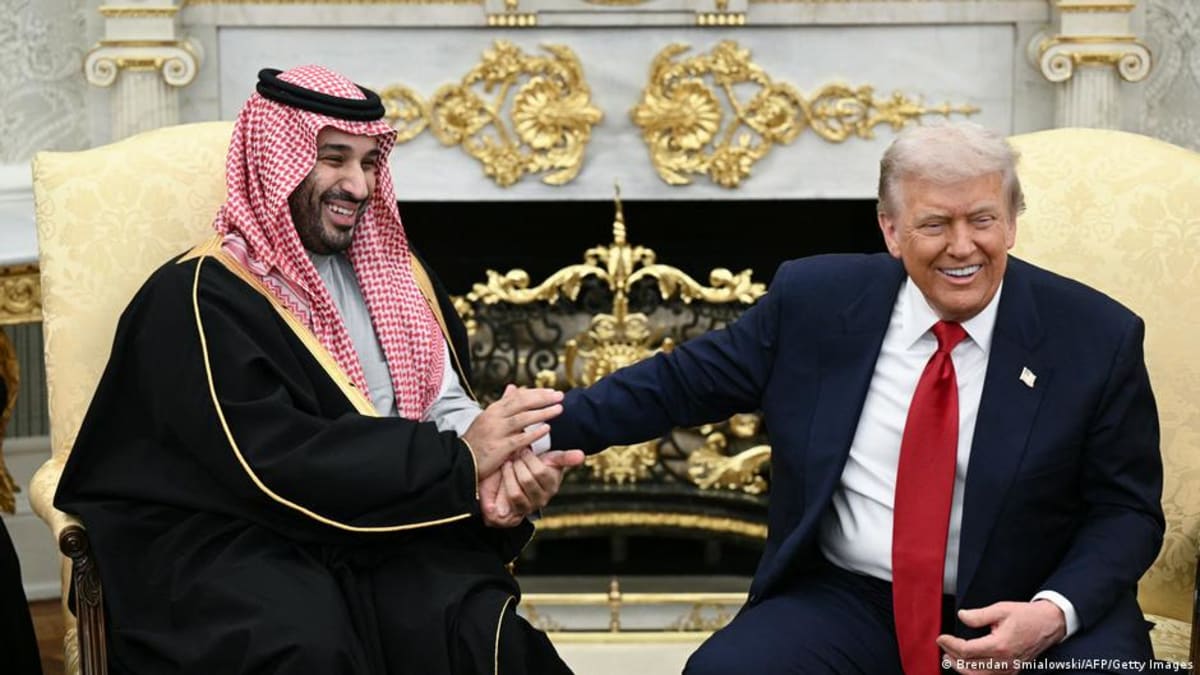
The United States and Saudi Arabia signed a historic nuclear cooperation agreement this week that will bring American reactor technology to the Kingdom. Energy Secretary Chris Wright and Saudi Energy Minister Prince Abdulaziz bin Salman finalized two agreements that create the legal foundation for a multi-billion dollar partnership.
The deal allows Saudi Arabia to build nuclear reactors using cutting-edge US technology. This means the energy-rich nation can generate massive amounts of electricity without burning a single drop of oil or emitting greenhouse gases.
Saudi Arabia plans to use nuclear power to slash its domestic oil consumption, freeing up more crude for export while dramatically reducing emissions. The clean energy will power energy-hungry services like desalination plants that provide drinking water and air conditioning systems essential in the desert climate.
For American companies, the agreement opens doors to major contracts worth billions of dollars. US firms have been competing for years to bring their advanced nuclear technology to Saudi markets, and this partnership finally makes that possible.
The Kingdom has committed to international nuclear safety standards and inspections as part of the global Non-Proliferation Treaty. Saudi officials have repeatedly stated their focus remains on peaceful energy production to meet growing electricity demands.
The Ripple Effect
This partnership represents more than just two countries working together. It shows how nuclear technology can help oil-rich nations transition to cleaner energy sources without sacrificing economic growth.
By reducing domestic oil use, Saudi Arabia can maintain export revenues while still meeting its climate commitments. The nuclear plants will generate enough clean electricity to replace fossil fuel power stations that currently pump carbon dioxide into the atmosphere.
The technology transfer also strengthens ties between Washington and Riyadh in the civilian energy sector. American engineers and Saudi technicians will collaborate on reactor designs, safety systems, and operational standards for decades to come.
Congress now has 90 days to review the agreement before it takes effect. The partnership could reshape energy production across the region as other nations watch to see how nuclear power transforms Saudi Arabia's electricity grid.
This deal proves that even the world's largest oil producers recognize clean energy as the path forward for powering modern life sustainably.
Based on reporting by DW News
This story was written by BrightWire based on verified news reports.
Spread the positivity!
Share this good news with someone who needs it