US Backs Albania's 600MW Wind Farm for Energy Security
A massive wind farm in northern Albania is reshaping energy security in the Balkans while reducing Europe's dependence on Russian power. The American-backed project shows how clean energy investments strengthen democracy and protect national interests.
A 600-megawatt wind farm rising in Albania's northern mountains is doing something remarkable. It's making an entire region harder to manipulate.
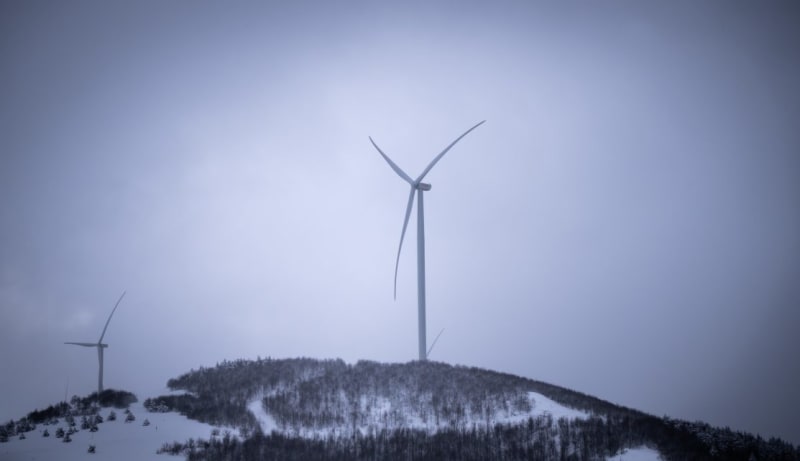
The Tropojë Wind Renewable Energy Park, developed by American company CWP, is one of the largest renewable energy projects in the Western Balkans. Congress recently recognized what this represents by passing the Western Balkans Democracy and Prosperity Act, officially naming energy security in the region a core U.S. national security concern.
For decades, Albania relied almost entirely on hydropower. In dry years, the country was forced to buy expensive imported energy, leaving its economy exposed to price shocks and external pressure from nations like Russia and China.
This new wind farm changes that equation. By the end of the decade, wind and solar energy will account for roughly 30% of Albania's energy mix.
That means Albania won't just meet its own needs. It will export surplus clean energy to European markets still working to cut ties with Russian fossil fuels.
The strategic value extends far beyond one country's power grid. Every new source of reliable energy in Europe strengthens the transatlantic alliance and reduces opportunities for adversaries to apply pressure through energy dependence.
The Ripple Effect spreads across borders and politics. Countries that control their own energy are harder to coerce, manipulate, or destabilize. American investment brings not just capital but transparency, competitive procurement, and rule-of-law standards that counter corruption often linked to opaque energy deals.
The new defense bill mandates long-term U.S. strategy for the region with energy at its center. It calls for cooperation to diversify energy sources, accelerate renewable transitions, modernize infrastructure against cyberattacks, and strengthen sanctions against those using energy corruption to threaten stability.
Greek and Croatian LNG terminals already deliver alternatives to Russian gas throughout the Balkans. Now wind and solar projects are reducing the region's vulnerability even further while creating economic resilience that supports democratic institutions.
Energy systems have become strategic targets. Protecting them protects regional stability and alliance security on NATO's southeastern flank.
American companies are proving that doing good and doing well can align perfectly when strategic interests meet clean energy innovation.
More Images


Based on reporting by Google News - Wind Energy
This story was written by BrightWire based on verified news reports.
Spread the positivity!
Share this good news with someone who needs it