US Engineers Unlock 10B Barrels of Oil Under Gulf Waters
American engineers solved one of the hardest problems in energy history, tapping into massive oil reserves thousands of feet beneath the Gulf of Mexico that were once thought impossible to reach. The breakthrough required building equipment that can withstand pressures equal to an elephant standing on a quarter.
More than 100 miles off the Gulf Coast, American engineers just cracked an energy puzzle that experts once called unsolvable.
Deep beneath the seabed sits a geological layer called the Paleogene, holding tens of billions of barrels of oil. For years, the prize stayed out of reach because the reservoir pressures hit 20,000 pounds per square inch. No equipment on Earth could handle those conditions safely.
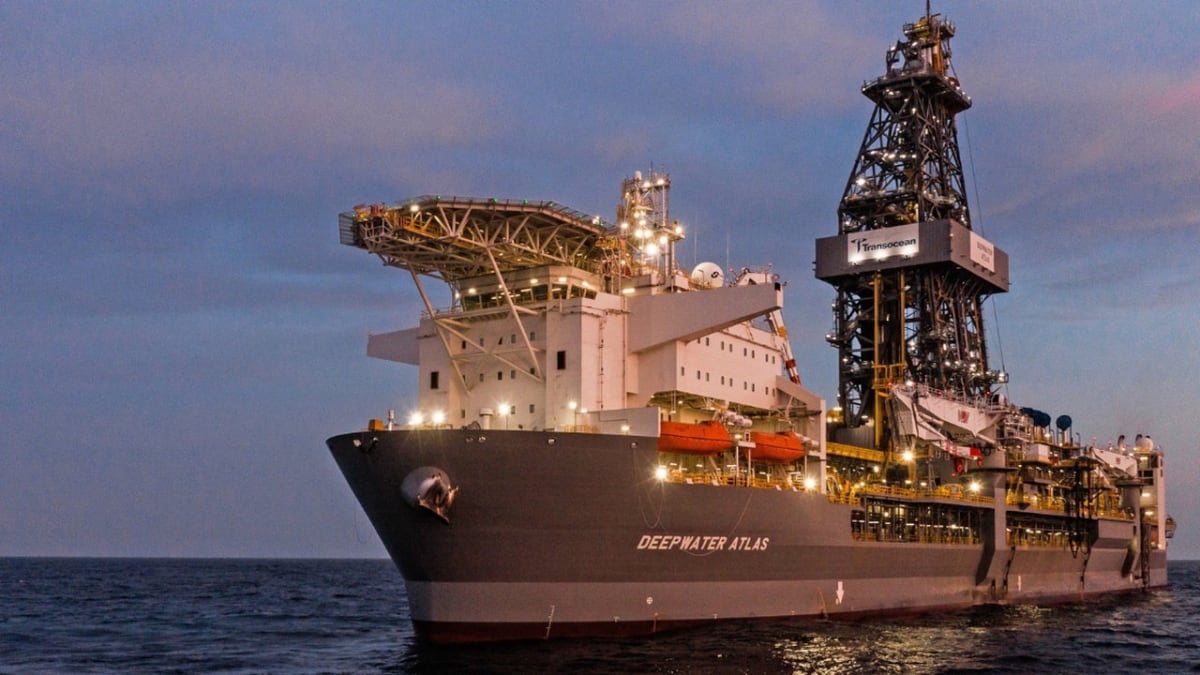
So American companies built what didn't exist. Transocean developed the world's first drillships designed for extreme high-pressure work, now operating in the Gulf. Trendsetter Engineering created subsea systems that could function reliably at pressures once considered impossible.
The results are already flowing. Chevron's Anchor project came online in 2024 after $5.7 billion in development. Beacon Offshore's Shenandoah is producing oil and natural gas. BP's $5 billion Kaskida project just secured federal approval and is moving toward production.
The engineers who made this happen aren't celebrities. They're subsea specialists and vessel crews spread across the Gulf Coast, tackling problems most people will never hear about. They spent more than a decade testing, redesigning, and proving their equipment could work safely.
Safety wasn't an afterthought. Every major component required third-party certification before heading offshore. Blowout preventers, subsea trees, wellheads, and completion equipment all got rigorous independent verification under federal oversight.
Two offshore consortiums now maintain specialized 20,000 psi containment systems that can deploy rapidly if needed. Federal regulations required operators to demonstrate containment access, submit detailed response plans, and conduct regular training exercises before drilling a single well.
The Ripple Effect
This breakthrough touches all 50 states. The Gulf of America supplies roughly 15% of U.S. oil production, and offshore projects support shipyards, manufacturers, ports, and skilled trades nationwide.
These three major projects alone represent over $15 billion in development spending. That money flows to American workers, American suppliers, and American communities building the specialized equipment needed for this work.
The economic impact extends beyond the Gulf Coast. Marine operators in the Pacific Northwest, manufacturers in the Midwest, and steel suppliers across the country all contribute to making these projects possible.
The achievement also strengthens energy security. Producing more domestic energy reduces dependence on foreign oil and protects against global supply disruptions. The Paleogene reserves add decades of potential production capacity.
No single government mandate unlocked these reserves. An ecosystem of companies, engineers, regulators, suppliers, and workers collectively decided the problem was worth solving and spent years doing it. That collaboration between private innovation and responsible oversight created something entirely new.
The Gulf workforce that accomplished this feat built their expertise over decades, learning the unique challenges of deepwater operations and developing solutions that didn't exist in textbooks.
American ingenuity just opened a new chapter in energy production that seemed impossible a generation ago.
More Images
Based on reporting by Fox News Opinion
This story was written by BrightWire based on verified news reports.
Spread the positivity!
Share this good news with someone who needs it