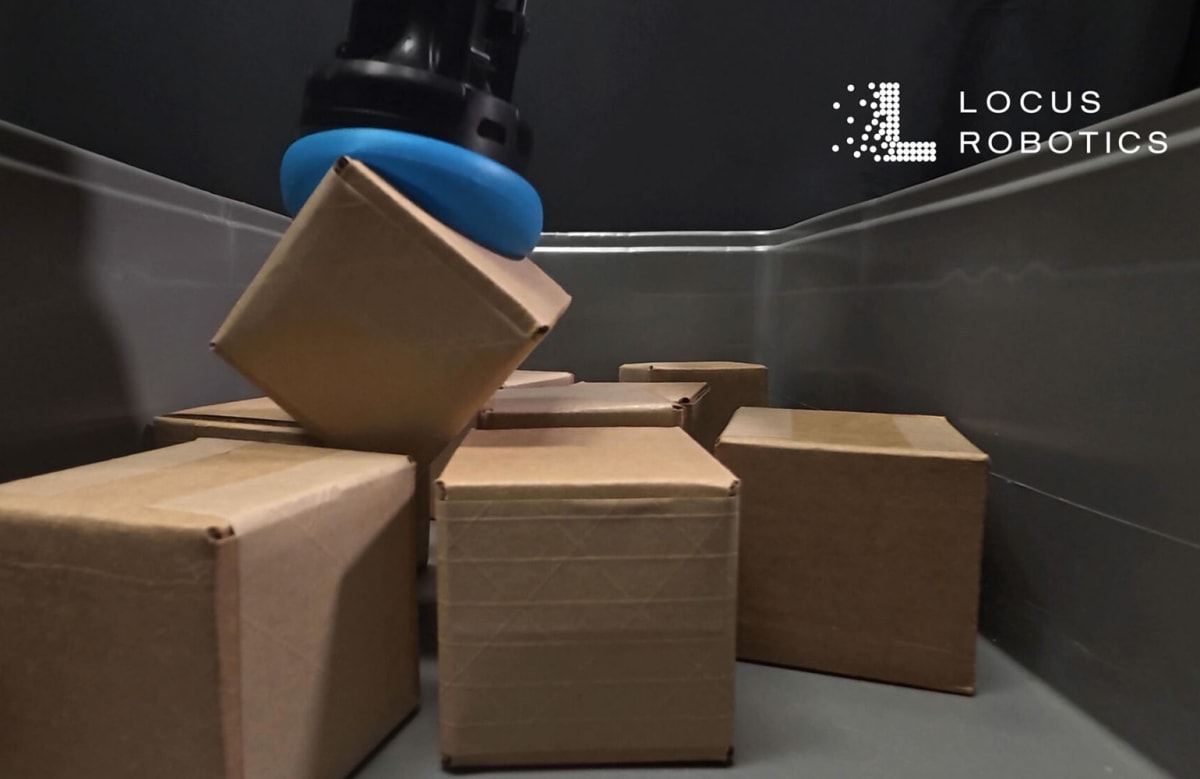
U.S. Invests $90M in Robots That Adapt to Human Needs
The National Science Foundation is funding three new research centers with $90 million to advance American innovation, including one dedicated to building robots that learn and adapt to people. These partnerships could transform how robots support us in homes, hospitals, and workplaces.
📺 Watch the full story above
Imagine a future where robots in your home or hospital don't just follow commands but actually learn your preferences and adapt to your unique needs. The U.S. National Science Foundation just invested $90 million to help make that vision real.
The NSF announced funding for three new Science and Technology Centers that will tackle some of the biggest challenges in science and innovation. Each center will receive $6 million annually for five years, with the possibility of extending support for another five years based on their progress.
One of these centers, the Center for Human and Robot Co-Adaptation at the University of Texas at Austin, focuses entirely on teaching robots to work alongside people. As service robots become more common in our daily lives, this research could be the key to making them truly helpful partners rather than clunky machines.
The Austin team will combine robotics, artificial intelligence, and human behavior research to develop robots with embodied intelligence. These advanced machines will learn from people, understand individual needs and preferences, and physically adapt to different environments and users.
The goal is creating robots that can support independent living and healthcare in meaningful ways. Think assistive robots that help elderly people stay in their homes longer or hospital robots that adjust their approach based on each patient's comfort level.
The Ripple Effect
This investment does more than advance technology. It strengthens America's scientific workforce by giving students and early career researchers hands-on experience in cutting edge fields.
The NSF Science and Technology Centers program has been driving innovation since 1987. Past centers have launched new fields of discovery, sparked numerous startups, and trained generations of researchers who went on to change the world.
By bringing together universities, industry partners, and government agencies, these centers tackle complex challenges that no single organization could solve alone. The collaborative approach means promising ideas move faster from lab benches to real world benefits.
The other two funded centers will advance clean energy research and genetic engineering. Together, the three centers represent America's commitment to leading in the technologies that will shape our future.
Students working in these centers today will become the innovators solving tomorrow's biggest problems, creating a lasting impact far beyond the initial five year investment.
A future where helpful robots adapt to human needs isn't science fiction anymore.
More Images


Based on reporting by Google: scientific discovery
This story was written by BrightWire based on verified news reports.
Spread the positivity!
Share this good news with someone who needs it