US-Iran Ceasefire Brings Hope to 20,000 Stranded Sailors
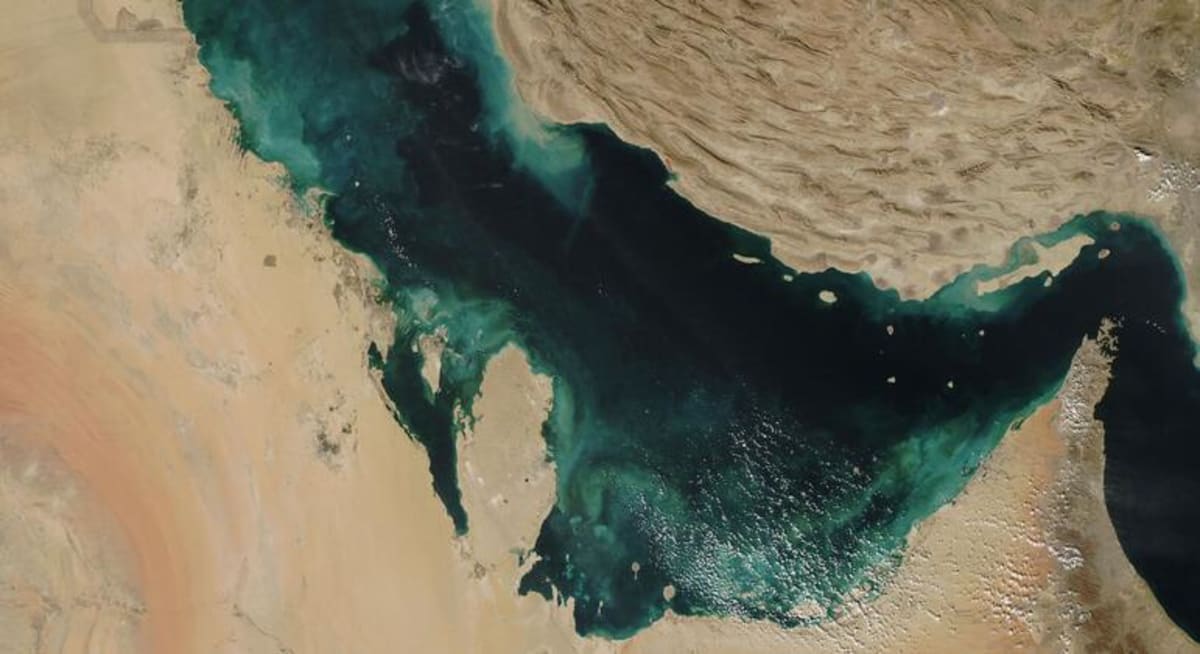
A two-week ceasefire between the US and Iran could finally free 20,000 seafarers trapped on 2,000 ships in the Persian Gulf for over a month. The Strait of Hormuz, which carries one-fifth of the world's oil and gas, dropped from 150 ships daily to just four during the conflict.
Twenty thousand sailors stuck at sea for more than a month are finally seeing a path home, thanks to a ceasefire that could reopen one of the world's most vital waterways.
The Strait of Hormuz, a narrow passage between Iran and Oman that carries one-fifth of global oil and gas supplies, has been nearly shut down since conflict erupted in late February. What was once a busy corridor for 150 ships daily dwindled to just four or five vessels that Iranian authorities deemed "non-hostile."
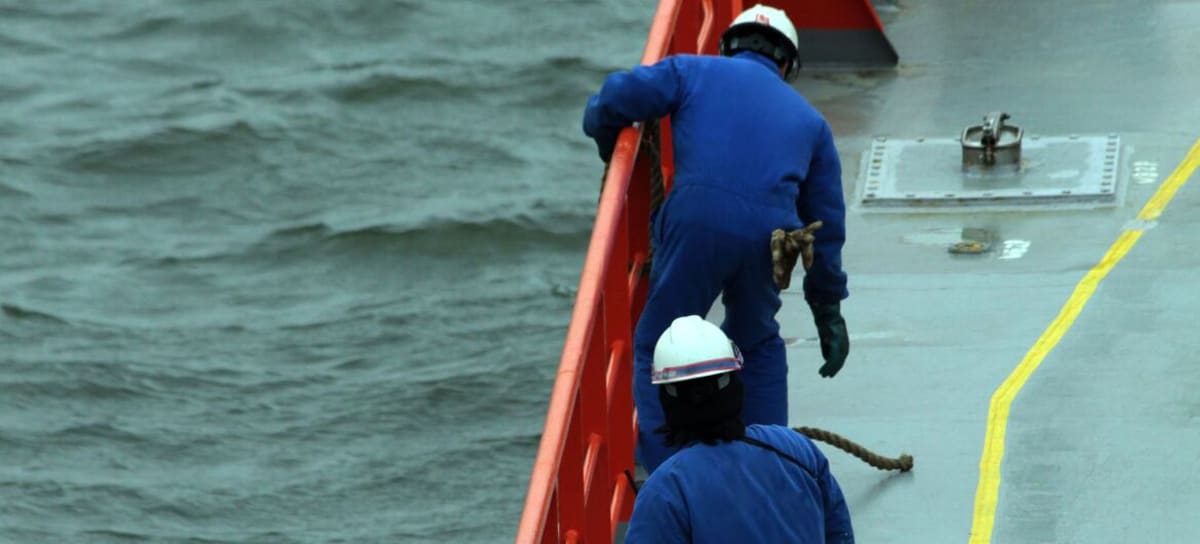
Now, a two-week ceasefire between the US and Iran is raising hopes that these trapped mariners can safely evacuate. About 2,000 ships, including oil tankers, cargo vessels, and even six cruise liners, remain stranded in the Persian Gulf.
The human cost has been real. Twenty-one confirmed attacks on international shipping have killed 10 seafarers and injured several others. The sailors still aboard their vessels have endured weeks of tension and uncertainty, unable to leave while their ships sat in what became a global flashpoint.
"The ceasefire is welcome news for the 20,000 seafarers who are awaiting evacuation," said Damien Chevallier, Director of the International Maritime Organization's Maritime Safety Division. His team is already coordinating with relevant parties to establish safe transit protocols.
The Ripple Effect
The strait's disruption sent shockwaves far beyond the Persian Gulf. Energy prices spiked globally as oil from Saudi Arabia, Iraq, and the United Arab Emirates couldn't reach markets. Supply chains slowed as cargo ships waited, and regional tensions escalated with each passing day.
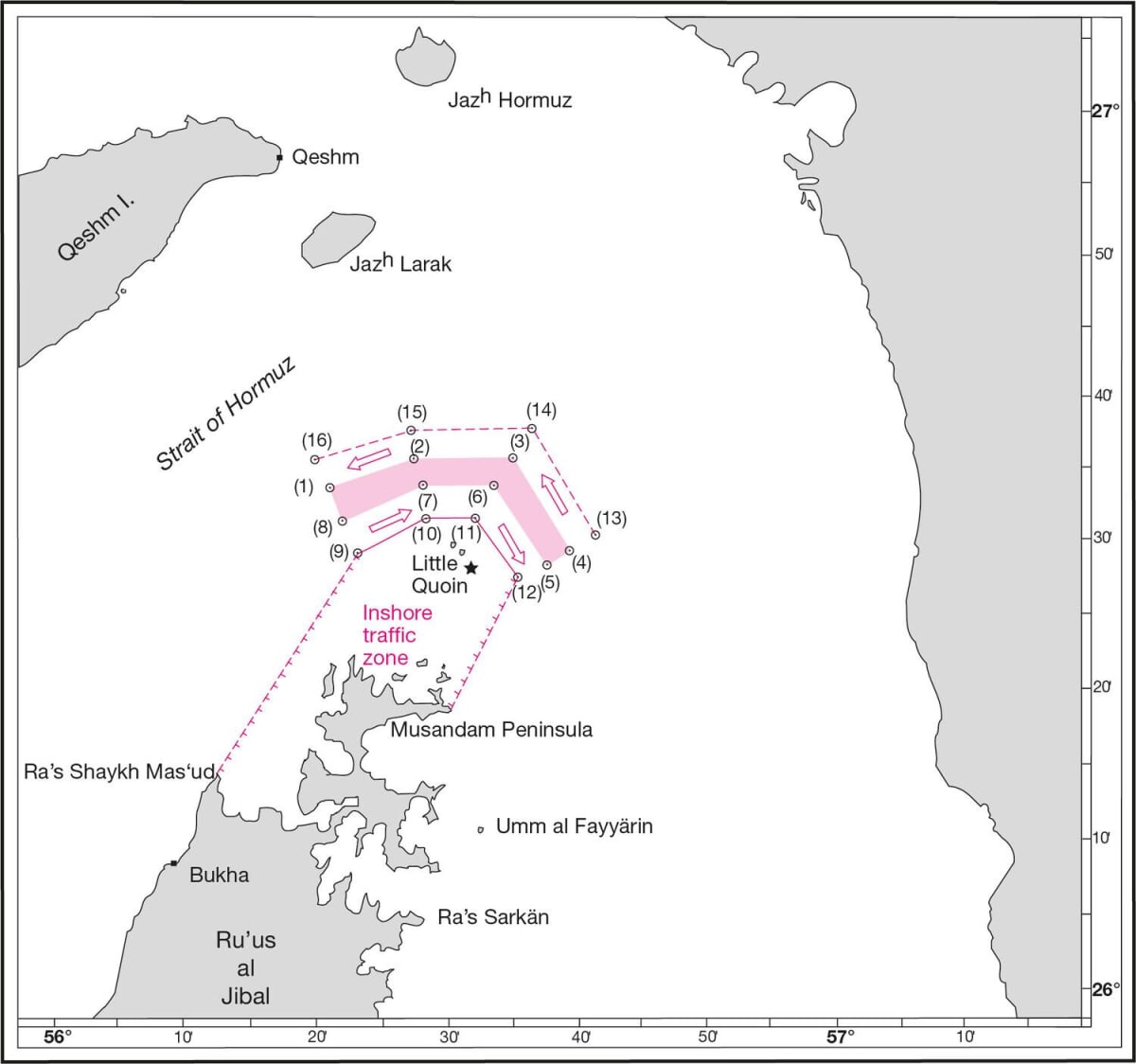
The reopening plan relies on a decades-old traffic system that has guided ships through the strait since 1968. Iran and Oman originally proposed the Traffic Separation Scheme, which designates specific shipping lanes to reduce collisions and maintain predictable transit even during tense times.
The UN and its partners are working through diplomatic channels to ensure ships can pass safely and efficiently. Ship operators will need to carefully assess risks before resuming routine trade, but the international will to restore normal operations is strong.
Success depends on the ceasefire holding and all parties respecting the internationally agreed navigation rules that have kept this critical waterway functioning for decades. For now, thousands of sailors are one step closer to returning home to their families.
More Images
Based on reporting by UN News
This story was written by BrightWire based on verified news reports.
Spread the positivity!
Share this good news with someone who needs it