%2Ffile%2Fattachments%2F2996%2FGroundUp-NIH-funding_260278.jpeg)
US Lifts Research Ban on South Africa After 18 Months
After nearly 18 months of halted funding that threatened decades of HIV and TB research, the US National Institutes of Health has reversed its ban on South Africa. The decision restores hope for global health progress and hundreds of research jobs.
The world's largest biomedical research funder just reopened the door to groundbreaking HIV and TB research in South Africa, ending a crisis that threatened decades of scientific progress.
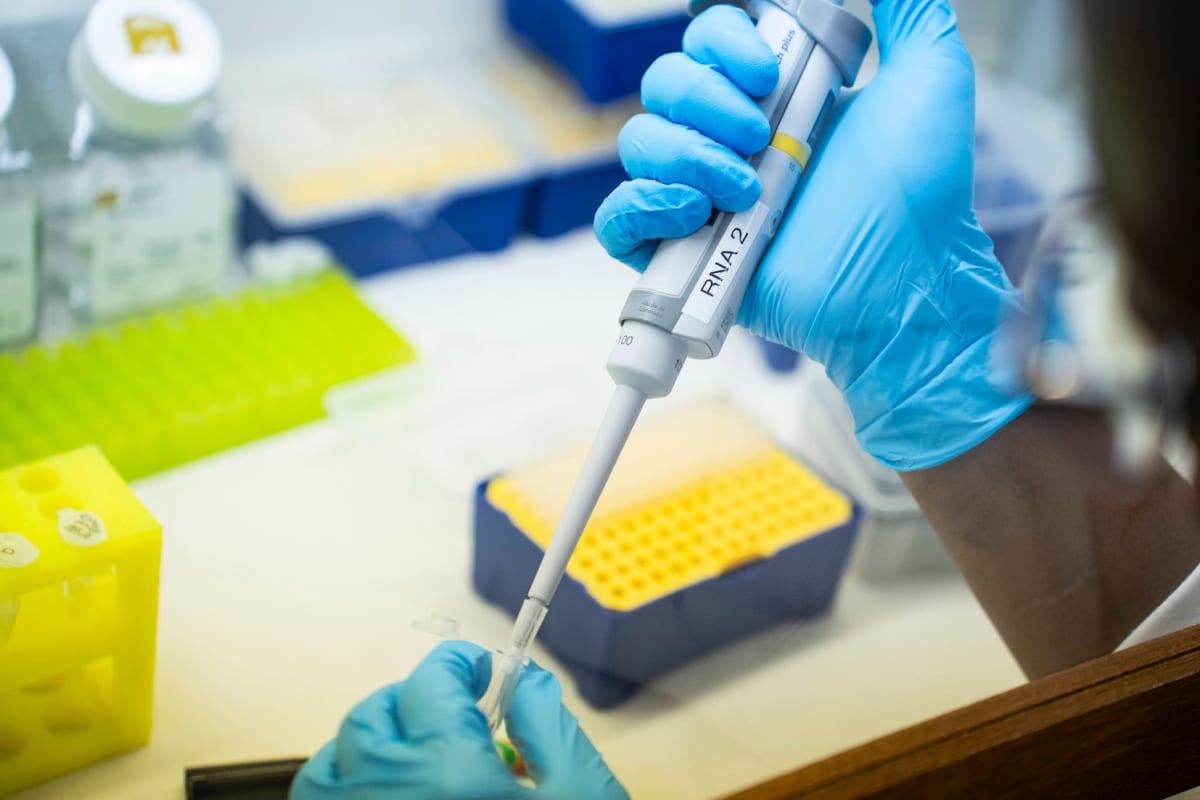
The US National Institutes of Health lifted its funding ban on South Africa in August 2026, nearly 18 months after suddenly halting all grants and collaborations in January 2025. The stop-work order had frozen critical clinical trials and forced research centers to lay off staff.
An internal memo signed by NIH director Jay Bhattacharya stated that funding for "meritorious research projects" in South Africa could now proceed. The decision came after 12 months of negotiations led by the South African Medical Research Council.
The ban had devastated research institutions across South Africa. Linda-Gail Bekker, director of the Desmond Tutu HIV Centre, said her team had to retrench employees when NIH funding stopped after decades of partnership. Her center, largely funded by NIH, sat in limbo waiting to hear if they'd be included in the final years of seven-year clinical trials.
South African scientists have shaped global health policies over the past two decades with NIH-funded research. Their work has revolutionized TB and HIV prevention, diagnosis, treatment, and care worldwide, including in the United States.
The Ripple Effect
The lifting of the ban means more than just resumed research. It represents recognition that solving global health challenges requires international scientific collaboration.
Ntobeko Ntusi, president of the South African Medical Research Council, emphasized that South Africa is one of the few countries that co-funded biomedical research with NIH rather than simply receiving aid. The partnership has been genuinely collaborative, with benefits flowing in both directions.
When the funding stopped, South Africa mobilized rescue funds totaling about R600 million from multiple sources. National Treasury contributed R400 million, while the Gates Foundation, Wellcome Trust, and ELMA Foundation added the rest. These emergency funds kept some projects alive during the crisis.
Researchers remain cautiously optimistic about what comes next. Landon Myer from UCT's School of Public Health noted that things may not return exactly to how they were before, especially given layoffs and budget cuts within NIH itself.
The memo also noted that the Fogarty International Center will no longer support research training applications from South Africa due to its upper-middle-income country status. This marks a shift from decades of Fogarty investment in South African scientists that led to numerous scientific accomplishments.
Despite these uncertainties, the restoration of funding opens pathways for continued breakthroughs in understanding and treating diseases that affect millions worldwide. Time will reveal the full impact, but for now, South African research centers can breathe easier and plan for the future.
More Images
Based on reporting by Daily Maverick
This story was written by BrightWire based on verified news reports.
Spread the positivity!
Share this good news with someone who needs it