U.S. Plans 1,000 Space Launches Per Year by 2030
America is preparing to launch rockets nearly three times a day by 2030, transforming space access from rare spectacle to everyday infrastructure. The ambitious plan will help keep critical satellite services running and maintain U.S. leadership in space innovation.
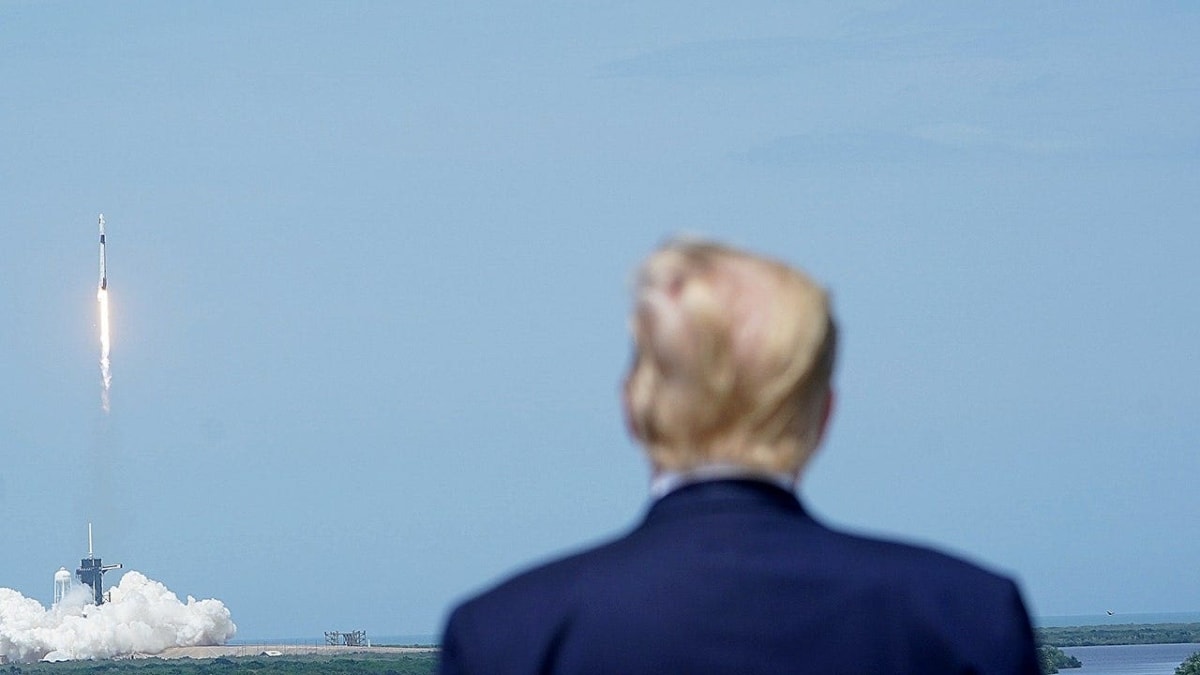
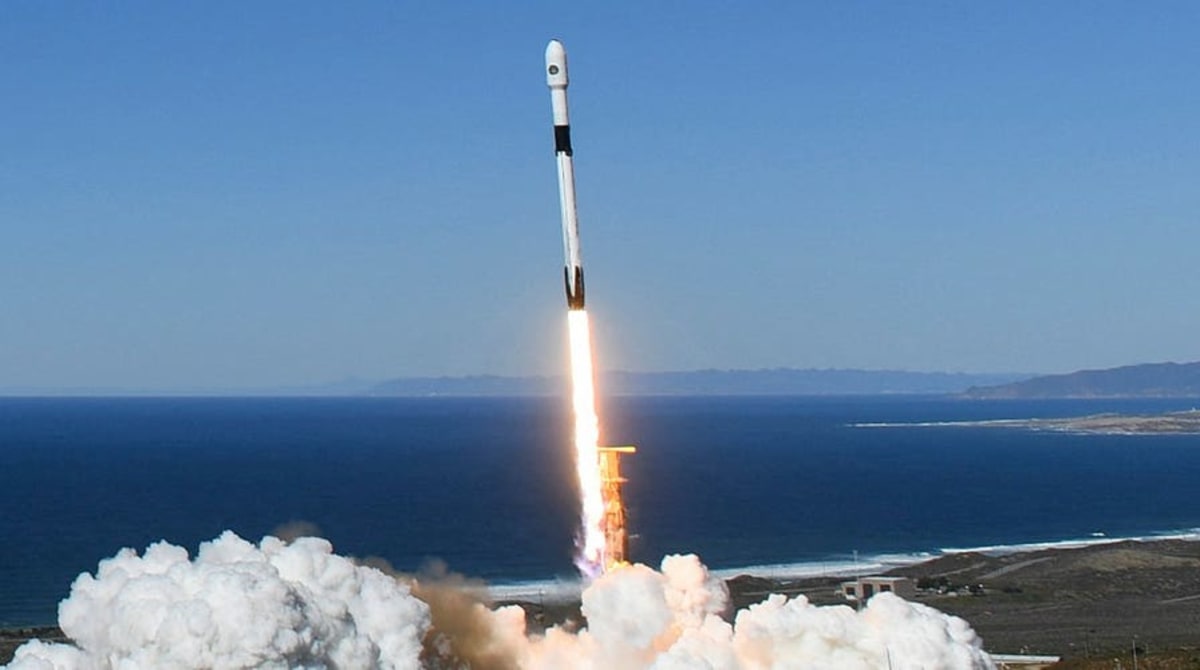
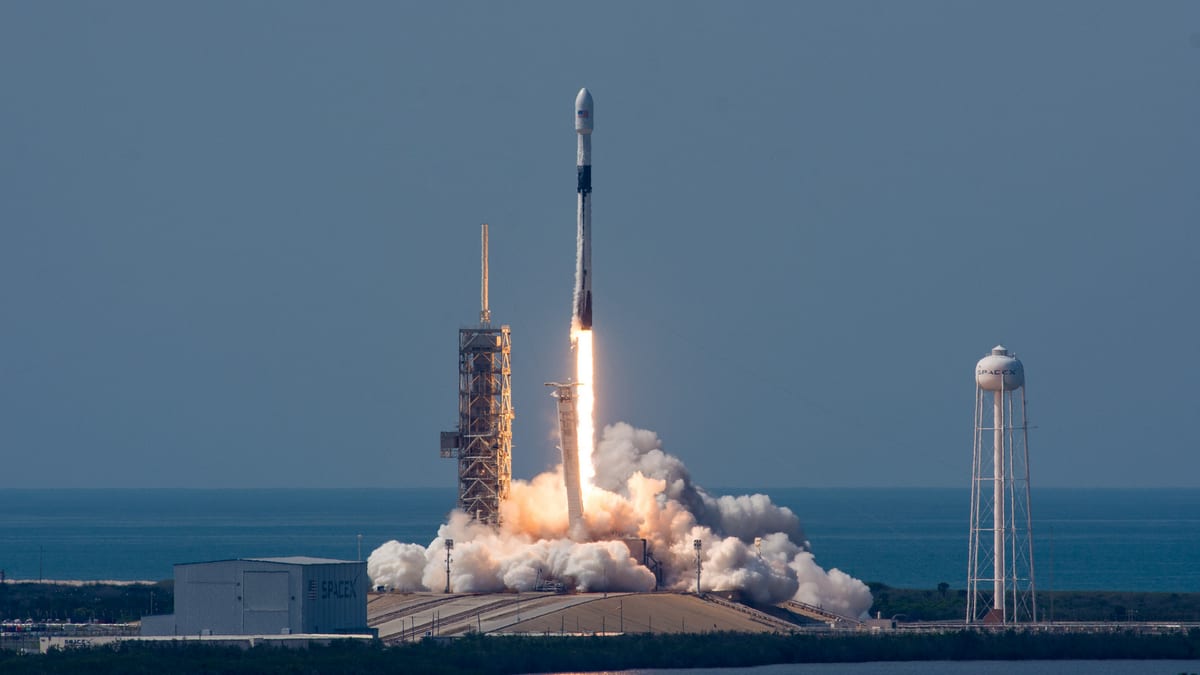
The United States is preparing to turn rocket launches from major events into daily occurrences, with a bold new plan to support more than 1,000 launches and spacecraft returns each year by 2030.
That's nearly three launches or reentries every single day. The White House policy released this week directs federal agencies to expand launchpads, airspace corridors, and regulatory systems to make this ambitious goal possible.
The push reflects how dramatically space has woven itself into everyday life. Millions of people now depend on satellites for GPS navigation, weather forecasts, internet access, and communications without giving it a second thought.
In 2024, the FAA licensed 148 commercial launches and reentries, already a record. The new plan would multiply that number nearly sevenfold in just six years.
Commercial companies like SpaceX will play a major role in reaching the target. The government is explicitly leaning on private industry to help carry the load, recognizing that innovation often moves faster outside traditional bureaucracy.
The policy tackles practical bottlenecks that could slow progress. Within 180 days, the Transportation Department will develop plans to integrate rocket launches into air traffic control systems and designate priority airspace corridors for critical missions.
One particularly exciting element focuses on rapid response. The policy calls for identifying barriers to launching high-priority satellites within just 48 hours when needed, a capability that could prove crucial for maintaining communication networks during emergencies.
The plan doesn't come with guaranteed funding, but it creates a government-wide blueprint to address challenges like limited launch ranges, permitting delays, and shortage of reentry infrastructure.
The Ripple Effect
This transformation will touch far more than just the space industry. As satellite networks become more reliable and accessible, rural communities could gain better internet access, farmers could use more precise weather data, and emergency responders could communicate more effectively during disasters.
The faster pace of launches also opens doors for scientific research. Getting experiments and equipment into orbit more quickly and affordably means more opportunities for breakthroughs in medicine, materials science, and climate monitoring.
Students studying aerospace engineering and related fields will enter a job market brimming with opportunities. The expanded infrastructure will need designers, operators, technicians, and innovators across dozens of specializations.
Small businesses and startups will find it easier to access space for their own innovations. What once required massive capital and years of planning could become achievable for companies with creative ideas and modest budgets.
By 2030, children growing up near launch sites might barely glance up when rockets roar overhead, the same way previous generations learned to ignore passing airplanes. Space is becoming not just accessible, but ordinary in the best possible way.
More Images

Based on reporting by Fox News Politics
This story was written by BrightWire based on verified news reports.
Spread the positivity!
Share this good news with someone who needs it