Japan to Launch Historic Mars Moon Sample Mission Oct. 19
Japan's spacecraft will attempt something never done before: collect samples from Mars' moon Phobos and bring them back to Earth. The mission launches October 19 after a two-year delay, with samples expected home in 2031.
Japan just unveiled the spacecraft that could make spaceflight history by grabbing pieces of a Martian moon and bringing them home.
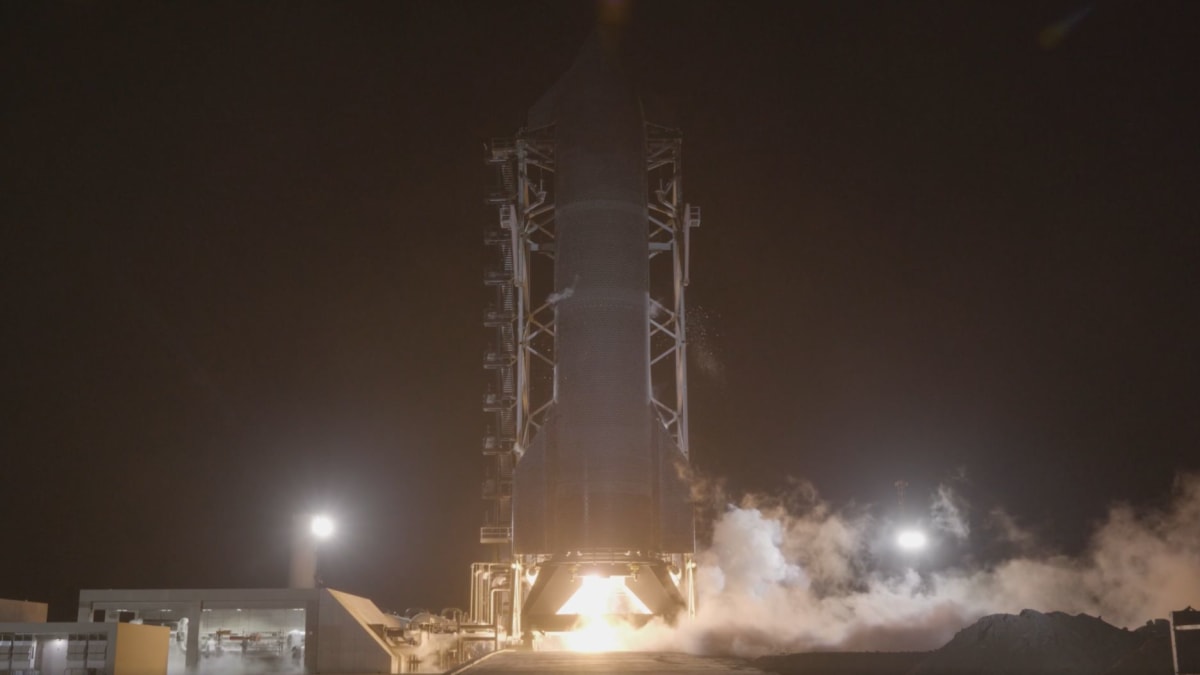
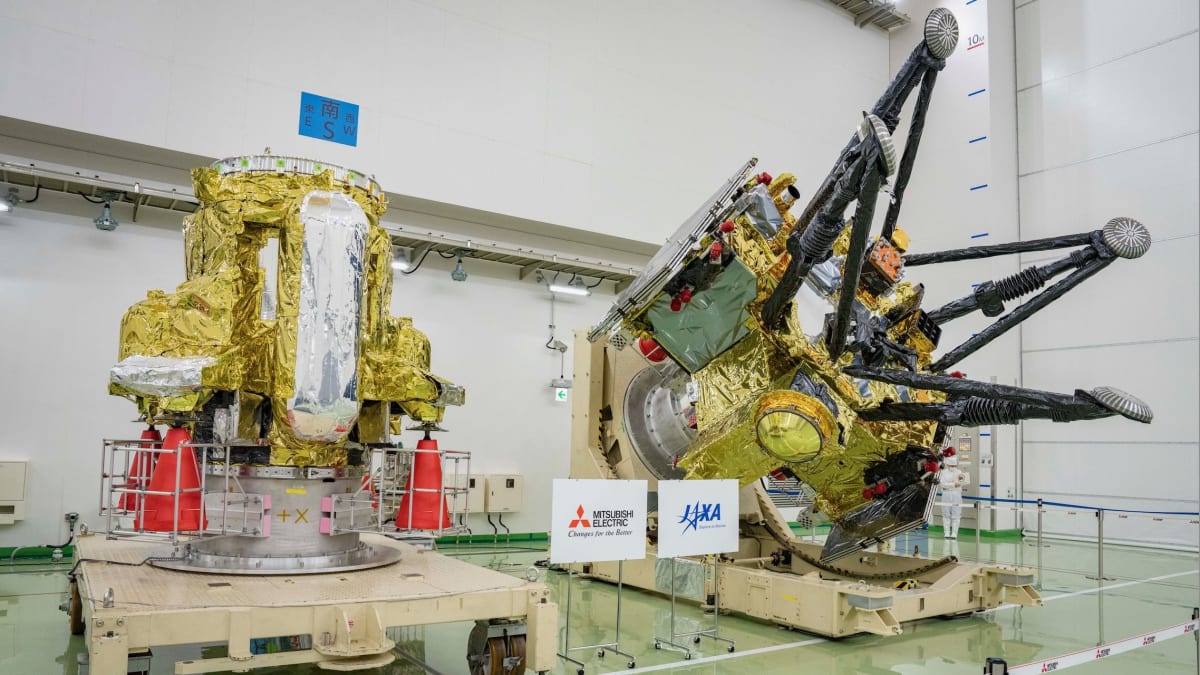
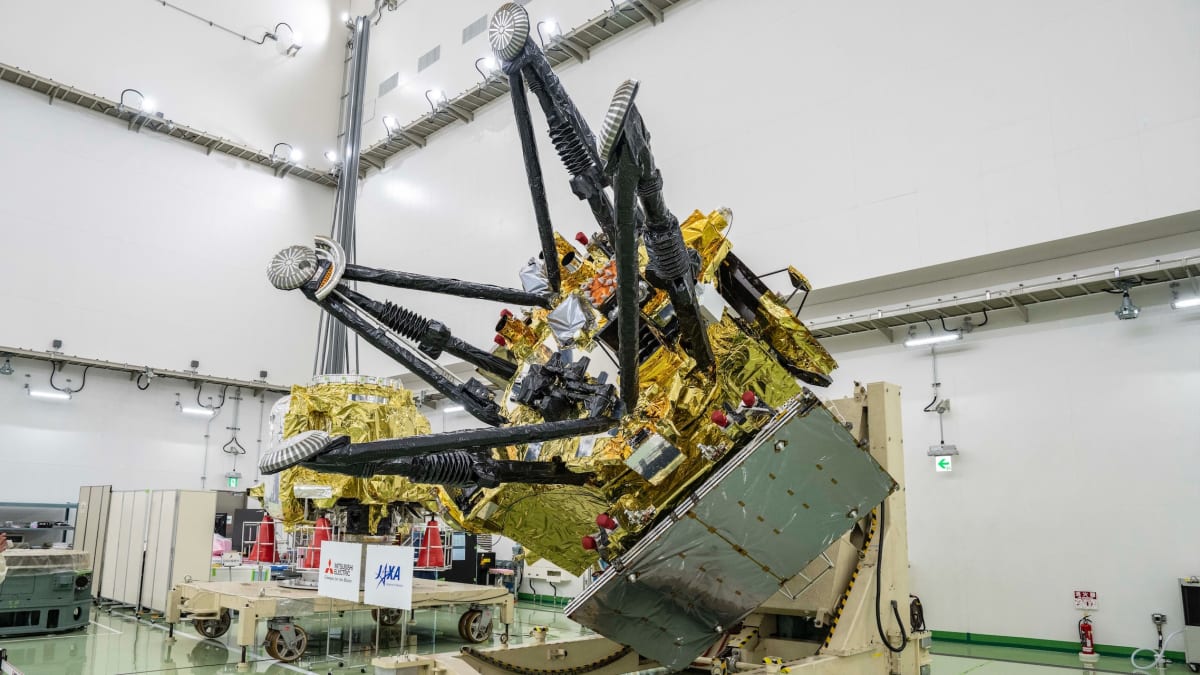
The Japan Aerospace Exploration Agency (JAXA) revealed its Martian Moons eXploration (MMX) mission spacecraft last week at Tanegashima Space Center. The mission will launch October 19 aboard an H3 rocket, kicking off a journey that could finally answer mysteries about how Mars and its two tiny moons formed.
MMX will spend about a year traveling to Mars before getting to work. Once there, it will study both Phobos and Deimos, two small moons that measure just 14 miles and 7.5 miles wide.
The spacecraft will deploy Idefix, a 55-pound rover built by France and Germany, to explore Phobos up close. Named after the loyal dog from the French comic "Asterix," the little robot will study the moon's surface in detail.
Then comes the historic part: MMX will descend to Phobos itself and collect about one-third of an ounce of material. The spacecraft will leave Mars orbit with these precious samples in 2030 and deliver them to Earth a year later for scientists to study.
Why This Inspires
This mission tackles one of solar system science's biggest debates. Scientists aren't sure whether Phobos and Deimos formed from debris after a giant impact with young Mars, or if they're asteroids that Mars captured with its gravity.
Getting actual samples from Phobos could finally settle this question. Unlike remote observations from orbit, having physical material to analyze in laboratories gives scientists tools to understand these moons' true origins.
Japan has good reason to feel confident about this ambitious goal. The country already succeeded twice with similar missions: Hayabusa brought home pieces of asteroid Itokawa in 2010, and Hayabusa2 returned samples from asteroid Ryugu in 2020.
Other countries have tried and failed to sample Mars' moons. Russia's Phobos-Grunt mission failed shortly after its 2011 launch, and NASA's Mars sample return plans remain uncertain due to budget concerns.
The launch window stays open through November 7, giving JAXA flexibility if weather or technical issues arise. The October 19 date marks a comeback after the mission's original 2024 launch was postponed due to rocket problems.
When those samples arrive on Earth in 2031, they'll represent humanity's first physical pieces of the Mars system ever brought home for study.
More Images

Based on reporting by Space.com
This story was written by BrightWire based on verified news reports.
Spread the positivity!
Share this good news with someone who needs it