US Researchers Unlock E-Waste Mining to Reclaim Minerals
University of Houston scientists have cracked the code on turning discarded electronics into a profitable domestic supply of critical minerals. Their breakthrough cost-sharing model could transform America's junk drawers into a sustainable source of gold, lithium, and cobalt.
That old iPhone sitting forgotten in your drawer isn't just clutter. It's part of an untapped national treasure that could reshape America's economic future.
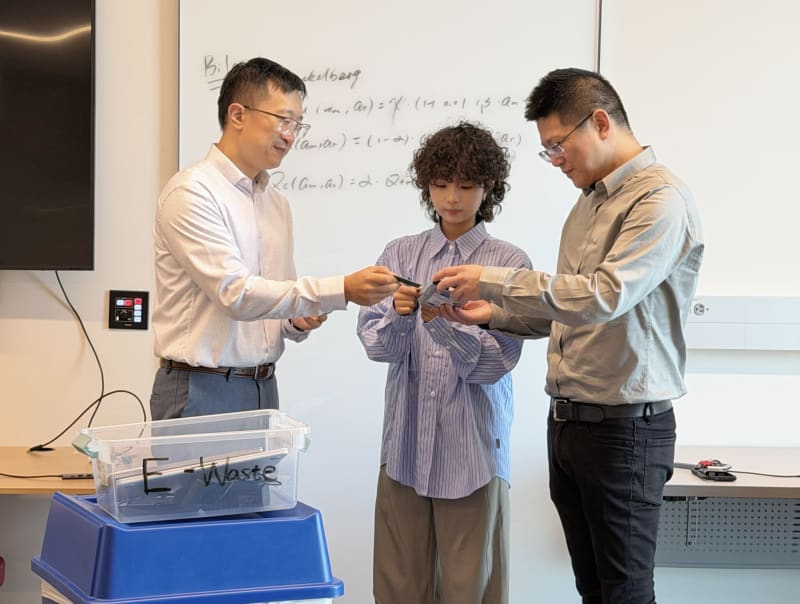
Researchers at the University of Houston have developed a game-changing solution to one of recycling's biggest problems: making it profitable enough to work at scale. Professor Jian Shi and his team created a cost-sharing framework that turns the chaotic world of e-waste recycling into a coordinated, money-making system.
The timing couldn't be better. E-waste is now the fastest-growing solid waste stream on the planet, and those discarded devices contain precious materials like gold, lithium, and cobalt. Currently, most of these critical minerals end up in foreign landfills instead of powering America's technology future.
"Urban mining allows us to extract the same high-value materials found in traditional mines without the environmental destruction," said Shi, whose research was supported by the U.S. Department of Energy. "More importantly, it helps secure our domestic supply chain for the technologies of tomorrow."
The problem until now hasn't been technology or good intentions. It's been economics. The current recycling ecosystem is a fragmented mess of manufacturers, collectors, and processing firms that often work against each other instead of together, making large-scale recycling a losing financial bet.
Shi's team mapped out how these different players could transition from competitors to partners. Their model, published in Scientific Reports, shows exactly how to distribute costs and profits fairly across the entire chain, making responsible recycling financially attractive for everyone involved.
The Ripple Effect
The implications stretch far beyond cleaner junk drawers. As America races toward an electrified future, demand for battery materials is exploding. Traditional mining can't keep pace without massive environmental costs.
This new recycling framework offers a third path: keeping essential materials circulating right here in the United States while reducing hazardous waste and fire risks from aging batteries. Graduate researcher Chuyue Wang notes the system "ensures that the materials we need for EVs and advanced electronics stay right here in the U.S."
For a nation increasingly concerned about supply chain security, the solution was hiding in plain sight all along, waiting in millions of junk drawers across America.
More Images

Based on reporting by Phys.org - Technology
This story was written by BrightWire based on verified news reports.
Spread the positivity!
Share this good news with someone who needs it