US Spacecraft Inspects Satellite in Record 84 Hours
The U.S. Space Force just proved it can launch, chase, and photograph a satellite in orbit in less than four days. This breakthrough could revolutionize how America protects its space infrastructure from emerging threats.
Imagine getting a suspicious package alert and being able to inspect it from across the country in under four days. That's essentially what the U.S. Space Force just accomplished in space.
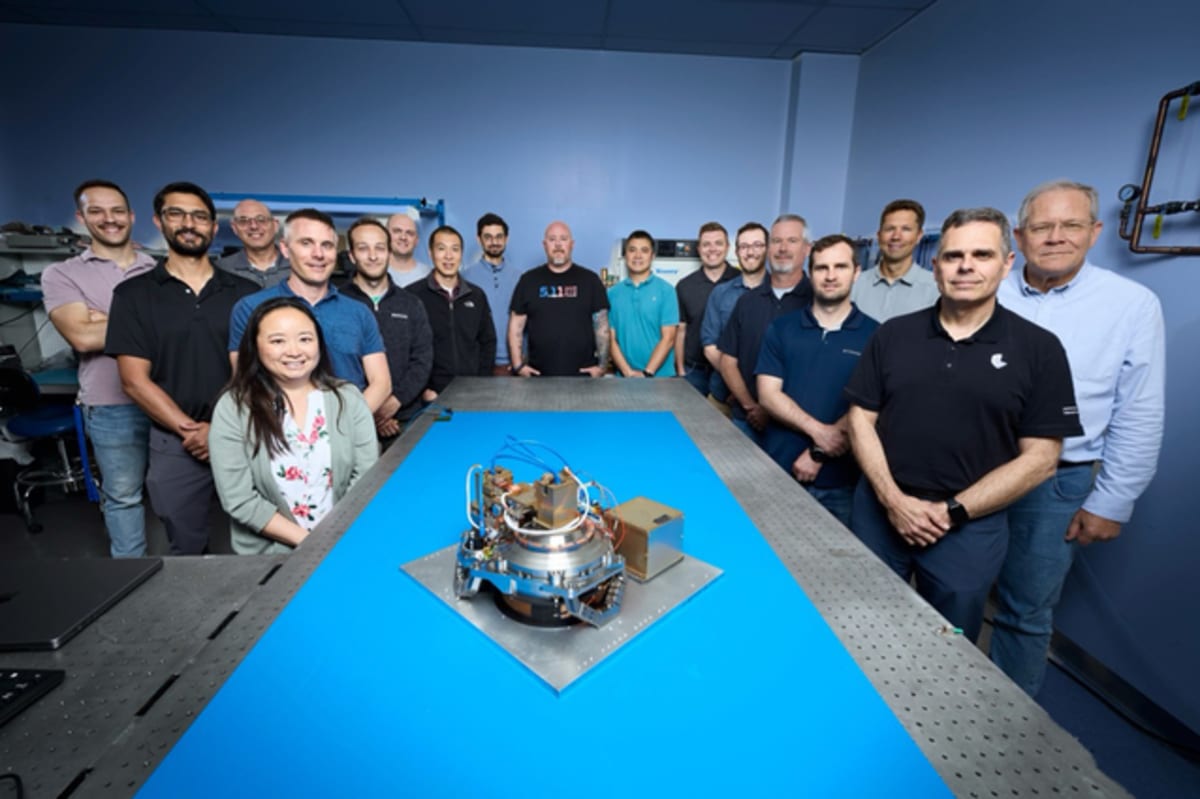
In a groundbreaking mission called VICTUS HAZE, a team from Lawrence Livermore National Laboratory, Rocket Lab, and the U.S. Space Force launched a spacecraft in under 17 hours from receiving the order. The mission beat its 24-hour launch deadline by a full seven hours.
But speed was just the beginning. The spacecraft then had to find, chase, and photograph another satellite already orbiting Earth, completing the entire operation within 84 hours.
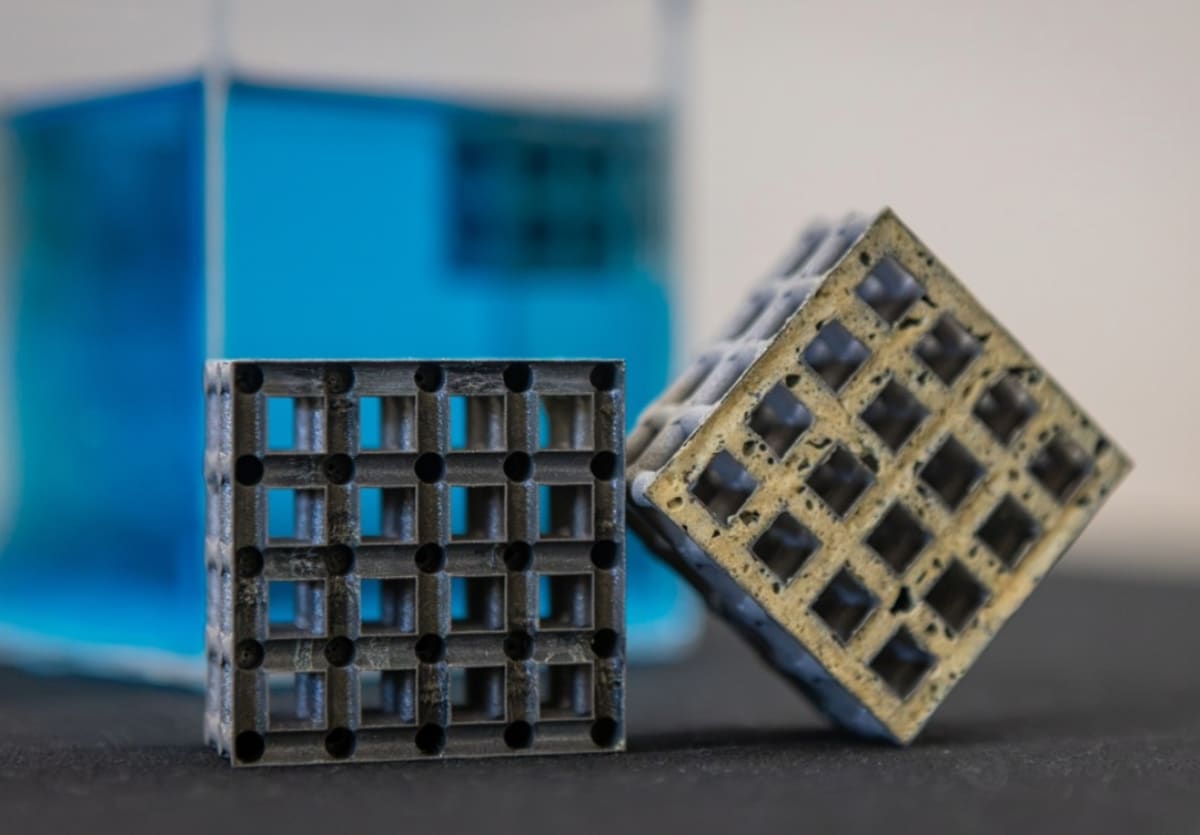
The secret weapon? A special camera system built by Lawrence Livermore that uses telescopes carved from a single piece of silica. This design makes them incredibly stable and surprisingly affordable, perfect for missions that need to happen fast.
Within 24 hours of launch, the imaging system was fully operational. The camera didn't just take pictures; it actually helped steer the spacecraft by telling it which direction to point, creating a feedback loop between the optics and the vehicle's navigation system.
This capability matters more than ever. With space launches happening more frequently and multiple satellites deploying on single rockets, Earth's orbit is getting crowded. Being able to quickly inspect mysterious objects in space has become a national security priority.
The Ripple Effect
The success of VICTUS HAZE demonstrates that America's commercial space industry can move at the speed of national security needs. Traditional space missions take months or years to plan and execute, but this new approach proves that timeline can shrink to days.
The mission tested whether the United States can detect, track, and respond to orbital threats with unprecedented speed and precision. Every phase beat its deadline, setting new records for responsive space operations.
Ben Bahney, who leads the Lawrence Livermore Space Program, says his team specializes in exactly this kind of rapid response. "Tactically responsive space is what we do," he explained.
The partnership between a national laboratory, a private rocket company, and the Space Force shows how different parts of America's space ecosystem can work together when speed matters. This collaborative model could become the blueprint for future missions.
As more nations and companies send objects into orbit, the ability to quickly investigate potential threats without starting from scratch each time gives operators a crucial advantage. VICTUS HAZE proved the concept works in real conditions, not just on paper.
Based on reporting by Google: space mission success
This story was written by BrightWire based on verified news reports.
Spread the positivity!
Share this good news with someone who needs it