U.S. Upgrades 75-Year-Old Dams to Power Cleaner Future
Aging hydroelectric dams across America are getting high-tech makeovers that boost clean energy output without building anything new. Engineers are squeezing up to 5% more power from 50-year-old structures while helping fish populations thrive.
America's oldest hydroelectric dams are proving you don't need to build new infrastructure to power the future. Engineers are breathing new life into decades-old structures, turning them into more efficient clean energy machines.
The U.S. Army Corps of Engineers operates 75 hydroelectric dams that collectively generate over 70 billion kilowatt hours per year. That's enough electricity to power all of New York City. Many of these dams were built when engineers used slide rules instead of computers, yet they still achieved efficiency rates in the low 90s.
Now, modern technology is making them even better. At Ice Harbor Lock and Dam in Washington State, engineers just completed a $47 million renovation of three turbines. The upgrade boosts efficiency by 3 to 5 percent using computer-generated designs that optimize every curve and angle.
The project also introduces an innovative cement called shotcrete that gets sprayed from a hose instead of poured. This technique reshaped the dam's draft tubes to eliminate swirling eddies that trap young salmon. Bill Dull, a professional engineer on the project, puts it simply: "What's good for the fish is also good for efficiency."
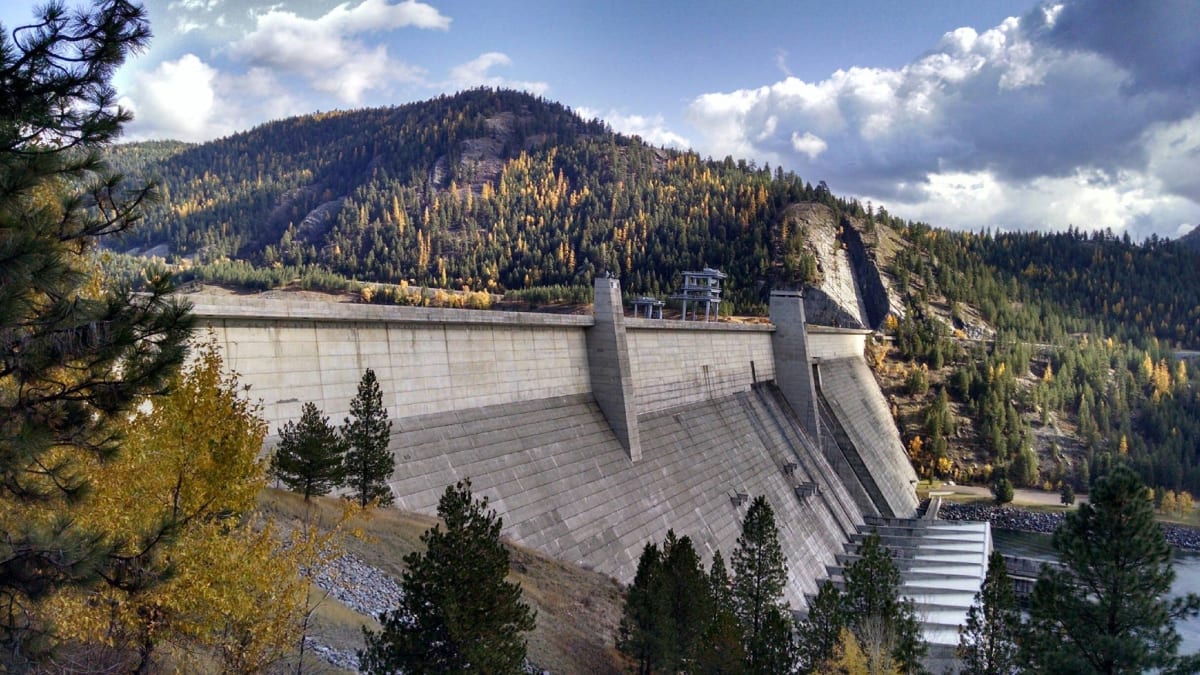
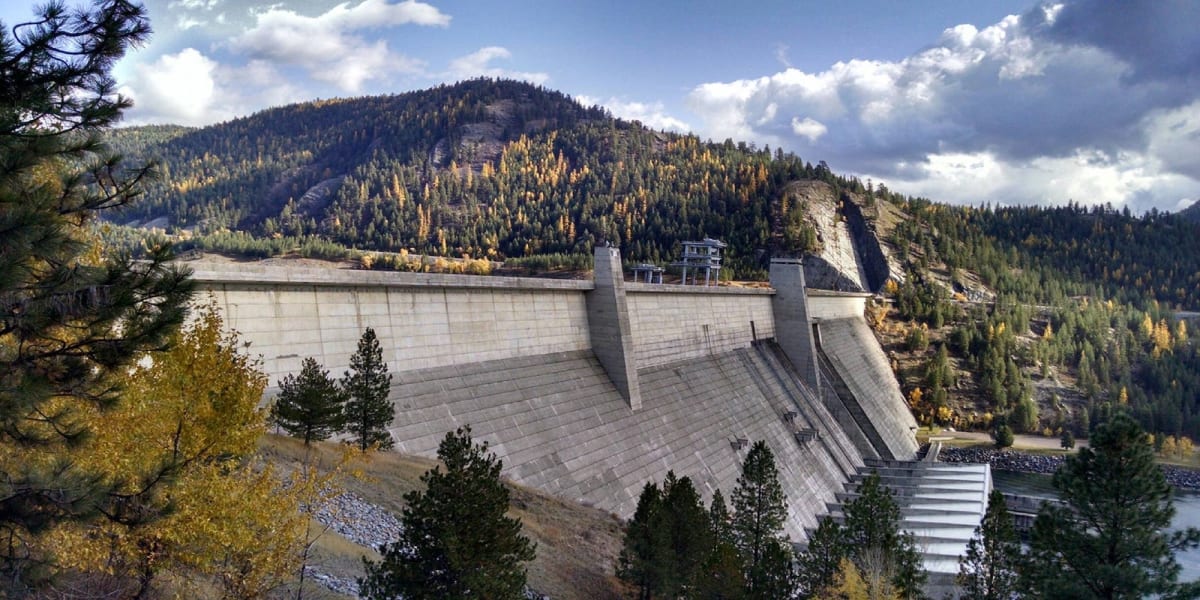
In Montana, Libby Dam is getting its first transformer upgrade since opening in 1975. The $3.9 million project replaces worn seals and components that connect the generator to the power grid. Think of it like giving a reliable car new gaskets and hoses so it runs another 50 years.
Meanwhile, Old Hickory Dam in Tennessee is replacing its original five-blade turbines from 1957 with modern seven-blade units. Project manager Christopher Stoltz compares it to the leap in fuel efficiency cars made over the past 50 years.
The Ripple Effect
These upgrades keep power flowing to millions of homes while engineers work behind the scenes. The Corps balances energy demand across entire river systems, ensuring no one loses electricity when individual turbines go offline for maintenance.
The timing couldn't be better as energy demands continue climbing. By modernizing existing infrastructure instead of constructing new dams, taxpayers save money and communities avoid the environmental disruption of major new projects.
These aren't just engineering wins. They're proof that smart upgrades to what we already have can meet tomorrow's needs while protecting the natural world today.
More Images
Based on reporting by Google News - Clean Energy
This story was written by BrightWire based on verified news reports.
Spread the positivity!
Share this good news with someone who needs it