USC Creates Joint Biomedical Engineering Department
The University of Southern California is merging its engineering and medical school biomedical programs into one of California's first joint departments. The move builds on 50 years of breakthroughs including the world's first FDA-approved artificial retina.
Two powerhouse schools at USC are officially joining forces to speed up the journey from lab discovery to patient treatment.
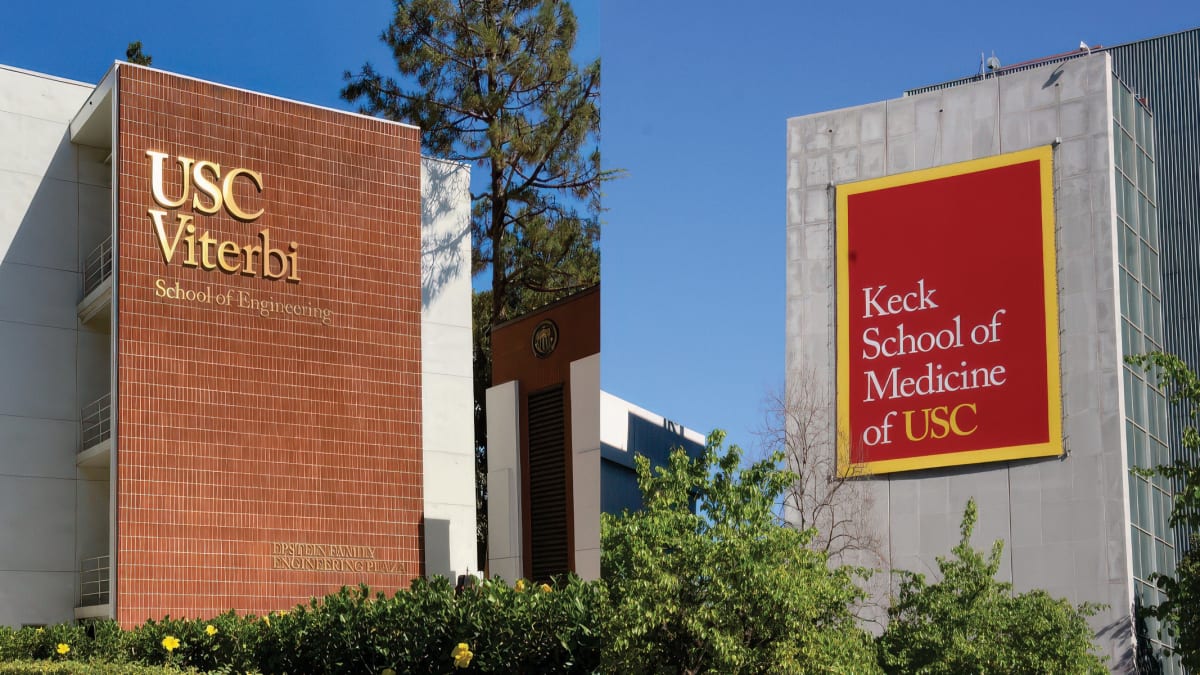
The Keck School of Medicine and the USC Viterbi School of Engineering announced their biomedical engineering department will now operate as a single joint entity. It's one of the first collaborations of its kind in California, bringing together researchers who've already spent decades working side by side.
The Alfred E. Mann Department of Biomedical Engineering, celebrating its 50th anniversary this year, has been quietly producing game-changing innovations. Teams from both schools developed the Argus II artificial retina, which became the world's first FDA-approved bionic eye. They also created the first brain implant capable of restoring lost memory function.
More recently, USC researchers figured out how to use ultrasound waves to help cancer-fighting T-cells find and attack solid tumors. Another joint team just secured a five-year grant to develop new treatments for metastatic breast cancer.
The formal merger means faculty can now freely tap into resources, labs and expertise across both schools. They'll focus on priority areas including medical devices, neuroengineering, imaging science, drug discovery and artificial intelligence in medicine.
"By leveraging USC's interdisciplinary strengths, this joint department will advance biomedical research and accelerate the translation of discoveries into meaningful improvements in human health," said USC President Beong-Soo Kim.
The department will also benefit from USC's new School of Advanced Computing, opening doors for AI applications in healthcare. Students pursuing bachelor's, master's and doctoral degrees will learn from professors who speak both engineering and medical languages fluently.
The Ripple Effect
This merger represents more than administrative restructuring. When engineers and doctors work in the same department rather than separate buildings, innovation accelerates. The bionic eye took years of collaboration, but with formal integration, future breakthroughs could happen faster.
Other universities nationwide are watching closely. Joint departments like this one challenge the traditional academic model where engineering and medicine operate in silos. Early results from USC's decades of informal collaboration suggest breaking down those walls works.
The $35 million Alfred E. Mann Foundation gift supporting the department shows major donors believe in this approach too. Their investment specifically targets translating research into real-world medical advances, not just publishing papers.
Researchers are already applying this integrated approach to some of medicine's toughest challenges: restoring vision through eye transplants, rebalancing brain signals in depression patients, and addressing treatment-resistant cancers.
The next generation of biomedical engineers will graduate knowing how to bridge two worlds that desperately need each other.
More Images



Based on reporting by Google News - School Innovation
This story was written by BrightWire based on verified news reports.
Spread the positivity!
Share this good news with someone who needs it