USI Brings Free Mental Health Care to Rural Indiana
Graduate students are filling critical gaps in rural mental health care while training to become tomorrow's therapists. The Good Samaritan clinics offer free, walk-in services in underserved communities like Jasper and Tell City.
Rural communities across Indiana are getting easier access to mental health care, thanks to a new program that trains tomorrow's therapists while serving people today.
The Good Samaritan - USI Rural and Underserved Collaborative launched this summer in Jasper, bringing free mental health services to Trinity United Church of Christ. Similar clinics are opening in Tell City and other rural areas where finding a therapist has been nearly impossible.
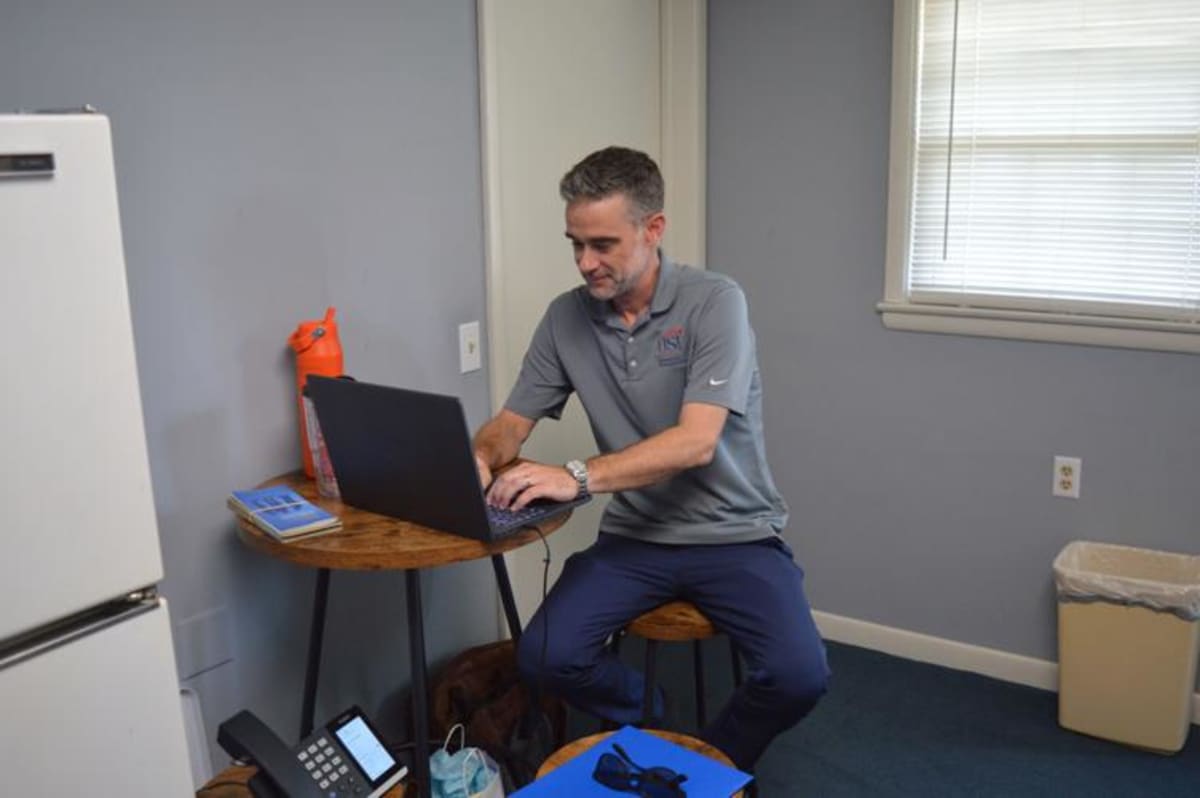
"This really starts from a well-known problem in mental health, which is a lack of access to services in rural communities," said Chris Metz, assistant clinical professor of social work at the University of Southern Indiana. He leads the program designed to tackle the mental health crisis from multiple angles.
The clinics operate once a month and welcome walk-ins without appointments or paperwork. No insurance required, no intimidating forms, just a safe place to talk and get connected to ongoing care if needed.
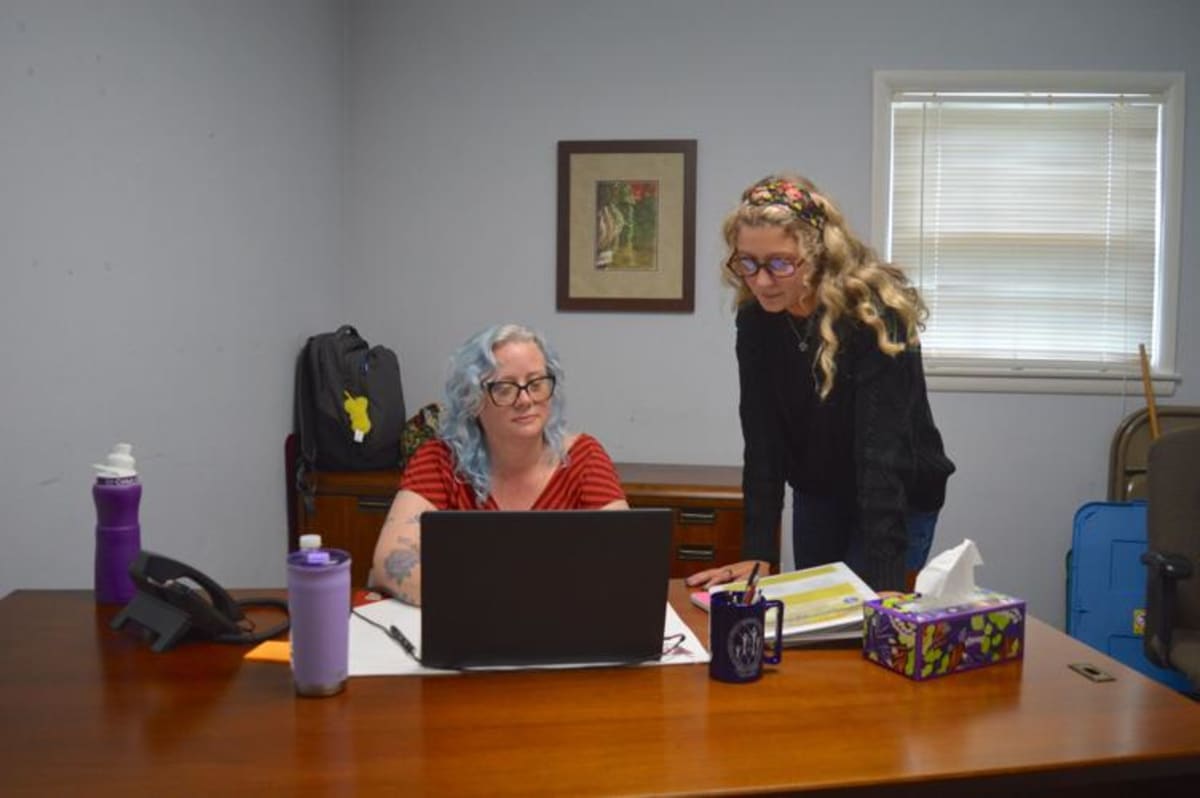
Ten second-year graduate students from USI work as student clinicians under supervision. These aren't beginners - they're in their final year of master's level training and will be licensed therapists in their communities within a year.
The program solves two problems at once. It provides immediate help to people who might otherwise go without care, while training students to work in the exact communities they're most likely to serve after graduation.
Metz calls it a "pipeline designed to create a rural regional workforce." Many students leave rural areas for university and never return, draining small towns of future mental health providers. By placing students in rural clinics during training, they build connections and see themselves working there long-term.
The Ripple Effect
The clinics serve more than just mental health needs. They welcome anyone struggling in underserved populations, including people experiencing homelessness, domestic violence survivors, and high-poverty families.
The model addresses practical barriers too. Many rural residents lack reliable transportation to reach distant therapists or don't have internet access for telehealth appointments. Stigma around mental health also keeps people from seeking help in tight-knit communities where everyone knows everyone.
By meeting people where they are in familiar churches and community centers, the program removes those obstacles. "Our hope is this feels grassroots," Metz said. "This can be your first stop and then we can help you make that next stop."
The Jasper clinic opens the first Friday of every month through the end of the year. Metz hopes the program will continue "forever," expanding to more rural communities that desperately need support.
Students graduate ready to work, and communities get the care they've been missing for years.
More Images


Based on reporting by Google News - Good Samaritan
This story was written by BrightWire based on verified news reports.
Spread the positivity!
Share this good news with someone who needs it